CASE NAME: Heath et al. v. Natals, Inc. d/b/a Ritual
CASE NO.: 3:26-cv-05251
JURISDICTION: United States District Court for the Northern District of California
FILED ON: June 2, 2026
CLASS DEFINITION: All persons in the United States who purchased Ritual’s Essential Multivitamins, with subclasses including California and New York purchasers during the applicable limitations periods.
SUMMARY:
According to the complaint, Natals, Inc., doing business as Ritual, allegedly misled consumers by marketing its multivitamin products as “Essential” despite failing to include all vitamins that authoritative bodies such as the National Institutes of Health (NIH) and the U.S. Food and Drug Administration (FDA) classify as essential. The lawsuit claims that consumers reasonably interpret the term “Essential” to mean the products contain all 13 essential vitamins required for human health. However, the complaint alleges that Ritual’s products omit multiple essential vitamins without clearly disclosing these omissions, resulting in consumers paying a premium for products that do not deliver the promised nutritional completeness.
ALLEGATIONS:
The lawsuit alleges that Ritual markets a line of products under the “Essential” label, including multivitamins for men and women in different age groups. According to the complaint, this branding conveys that the products provide all nutrients considered essential for human health.
The complaint explains that both the NIH and FDA recognize 13 vitamins as essential to human nutrition, including vitamins A, C, D, E, K, and several B vitamins. The plaintiff alleges that reasonable consumers rely on these widely accepted definitions when interpreting claims that a product is “essential.”
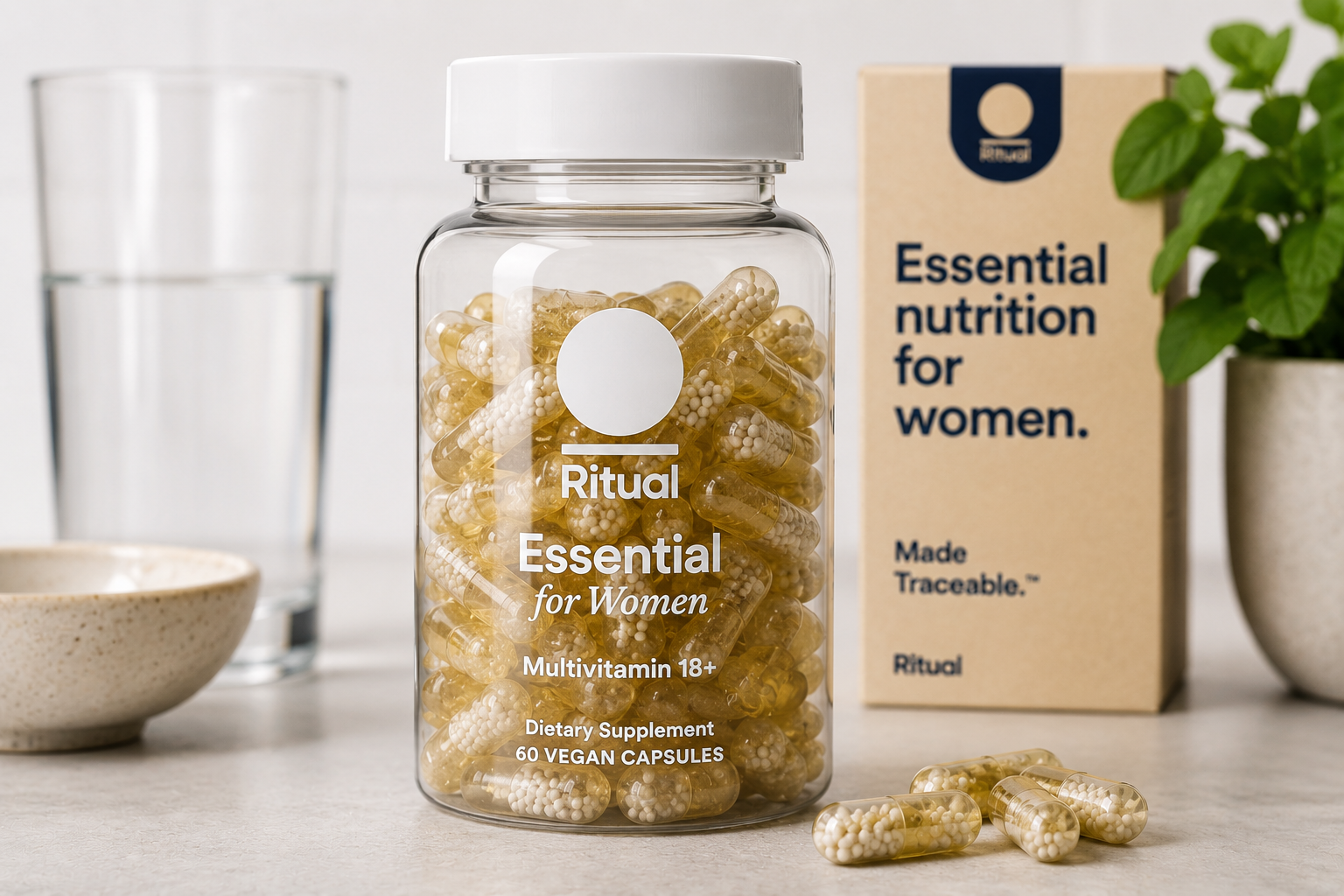
However, the lawsuit contends that Ritual’s products do not contain all 13 essential vitamins. As detailed in the Supplement Facts panels shown on pages 7–10, different versions of the multivitamins omit multiple essential vitamins. For example, the Essential for Women Multivitamin 18+ allegedly includes only a subset of vitamins—such as Vitamin D, Vitamin E, folate, and Vitamin B12—while omitting others like Vitamin A, Vitamin C, and several B vitamins.
Similarly, the complaint alleges that other product variants also fail to include numerous essential vitamins. The Essential for Women 50+ product reportedly omits seven essential vitamins, while the Essential for Men 18+ and 50+ products also omit multiple essential nutrients. According to the complaint, every product in the line is missing at least seven of the 13 essential vitamins. Notably, the lawsuit highlights that none of the products contain Vitamin C, one of the most commonly recognized essential vitamins.
The plaintiffs further allege that the product labeling does not clearly disclose these omissions. Even if consumers review the detailed ingredient or supplement facts panels, the complaint claims they would not reasonably understand that the products lack several essential vitamins. As a result, the use of the term “Essential” is alleged to be misleading.
According to the complaint, consumers rely heavily on front-label claims and branding when making purchasing decisions, particularly for health-related products like dietary supplements. The plaintiffs allege that Ritual intentionally used the “Essential” designation to appeal to health-conscious consumers seeking comprehensive nutritional support.
The named plaintiffs claim they purchased the products based on the belief that they provided all essential vitamins and would not have done so, or would have paid less, had they known the truth. The lawsuit alleges that this conduct resulted in economic harm by causing consumers to overpay for products that did not meet their expectations.
The complaint brings claims under California and New York consumer protection laws, including false advertising and deceptive business practices statutes, as well as claims for breach of express warranty, unjust enrichment, and related causes of action. The plaintiffs seek damages, restitution, injunctive relief, and other remedies.
Leave a Reply