CASE NAME: Eason et al. v. Revlon Consumer Products LLC
CASE NO.: 1:26-cv-05014
JURISDICTION: United States District Court, Southern District of New York
FILED ON: June 12, 2026
CLASS DEFINITION: All persons in the United States who purchased Mitchum Triple Odor Defense “Unscented” antiperspirant and deodorant products, with a California subclass of purchasers within the applicable limitations period.
SUMMARY:
According to the complaint, Revlon Consumer Products LLC allegedly misled consumers by marketing its Mitchum Triple Odor Defense deodorants as “unscented” despite containing fragrance ingredients. The lawsuit claims that reasonable consumers interpret “unscented” to mean the absence of fragrance, particularly given concerns about skin irritation and sensitivity. However, the complaint alleges that the products include fragrance components, contradicting the labeling. As a result, consumers were allegedly deceived into paying a premium price for products they believed were free of fragrance.
ALLEGATIONS:
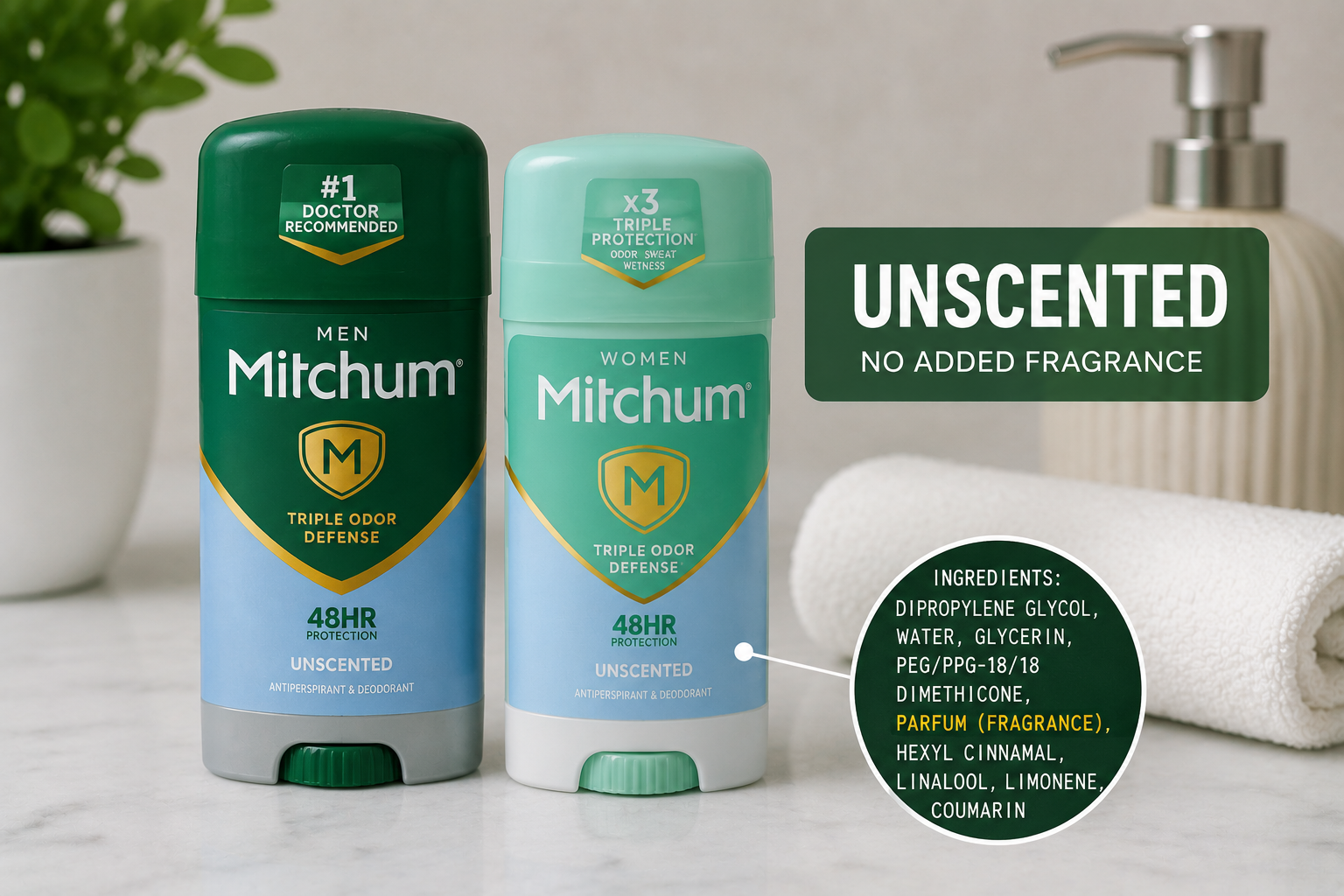
The lawsuit alleges that Revlon manufactures, markets, and sells Mitchum Triple Odor Defense deodorant and antiperspirant products nationwide, including both men’s and women’s variants labeled as “unscented.” As shown in the product images on pages 1–2, the “unscented” claim is prominently displayed on the front packaging, signaling to consumers that the products do not contain fragrance ingredients.
According to the complaint, this representation is false and misleading because the products contain fragrance ingredients. The ingredient label excerpts on page 7 highlight the presence of “parfum (fragrance)” and other fragrance components, which the plaintiff alleges directly contradict the “unscented” claim.
The complaint explains that consumers actively seek unscented or fragrance-free personal care products due to concerns about skin irritation, allergies, and a desire to avoid unnecessary additives. As noted in the complaint, fragrance ingredients can cause redness, itching, and other adverse reactions, making “unscented” labeling particularly important to sensitive consumers.
The lawsuit further alleges that Revlon intentionally uses the “unscented” label to capitalize on consumer demand for gentler, fragrance-free products. According to the complaint, consumers rely heavily on front-label representations when making purchasing decisions and are unlikely to scrutinize ingredient lists in small print. The complaint cites legal precedent emphasizing that consumers should not be required to look beyond misleading front-label claims to discover contradictory information elsewhere on the packaging.
The plaintiffs allege that the “unscented” representation is material to consumer purchasing decisions and allowed Revlon to charge a price premium. As illustrated in the pricing comparison table on page 9, the unscented version of the product is sold at a higher price per ounce than scented alternatives, reinforcing the claim that consumers pay more for products marketed as fragrance-free.
According to the complaint, the named plaintiffs purchased the products relying on the “unscented” claim and would not have done so, or would have paid less, had they known the products contained fragrance ingredients. The lawsuit alleges that this conduct resulted in economic harm to consumers who overpaid for products that did not meet their expectations.
The complaint brings claims under California consumer protection laws, including the Consumers Legal Remedies Act, False Advertising Law, and Unfair Competition Law, as well as claims for fraud. The plaintiffs seek damages, restitution, injunctive relief, and other remedies on behalf of themselves and a nationwide class of purchasers.
Leave a Reply