CASE NAME: Kathrein v. Arcadia Consumer Healthcare Inc.
CASE NO.: 3:26-cv-50217
JURISDICTION: United States District Court, Northern District of Illinois
FILED ON: May 28, 2026
CLASS DEFINITION: All persons residing in Illinois who purchased Fungi-Nail products during the applicable limitations period.
SUMMARY:
According to the complaint, Arcadia Consumer Healthcare Inc. allegedly misled consumers by marketing its Fungi-Nail products as effective treatments for nail fungus despite the products not being capable of treating or curing nail fungus. The lawsuit claims that the product name, labeling, and marketing—particularly statements like “Kills Fungus” and “Clinically Proven to Cure and Prevent Fungal Infections”—lead reasonable consumers to believe the products treat nail fungus. However, the complaint alleges that fine-print disclaimers contradict these claims by stating the products are not effective on nails. As a result, consumers were allegedly deceived into purchasing products that do not perform as advertised and paid a premium for ineffective treatments.
ALLEGATIONS:
The lawsuit alleges that Arcadia Consumer Healthcare markets and sells a line of Fungi-Nail products, including liquids, pens, and sprays, which are widely available in retail stores across the United States. According to the complaint, the product name “Fungi-Nail” itself suggests that the product is intended to treat nail fungus, a common consumer health concern.
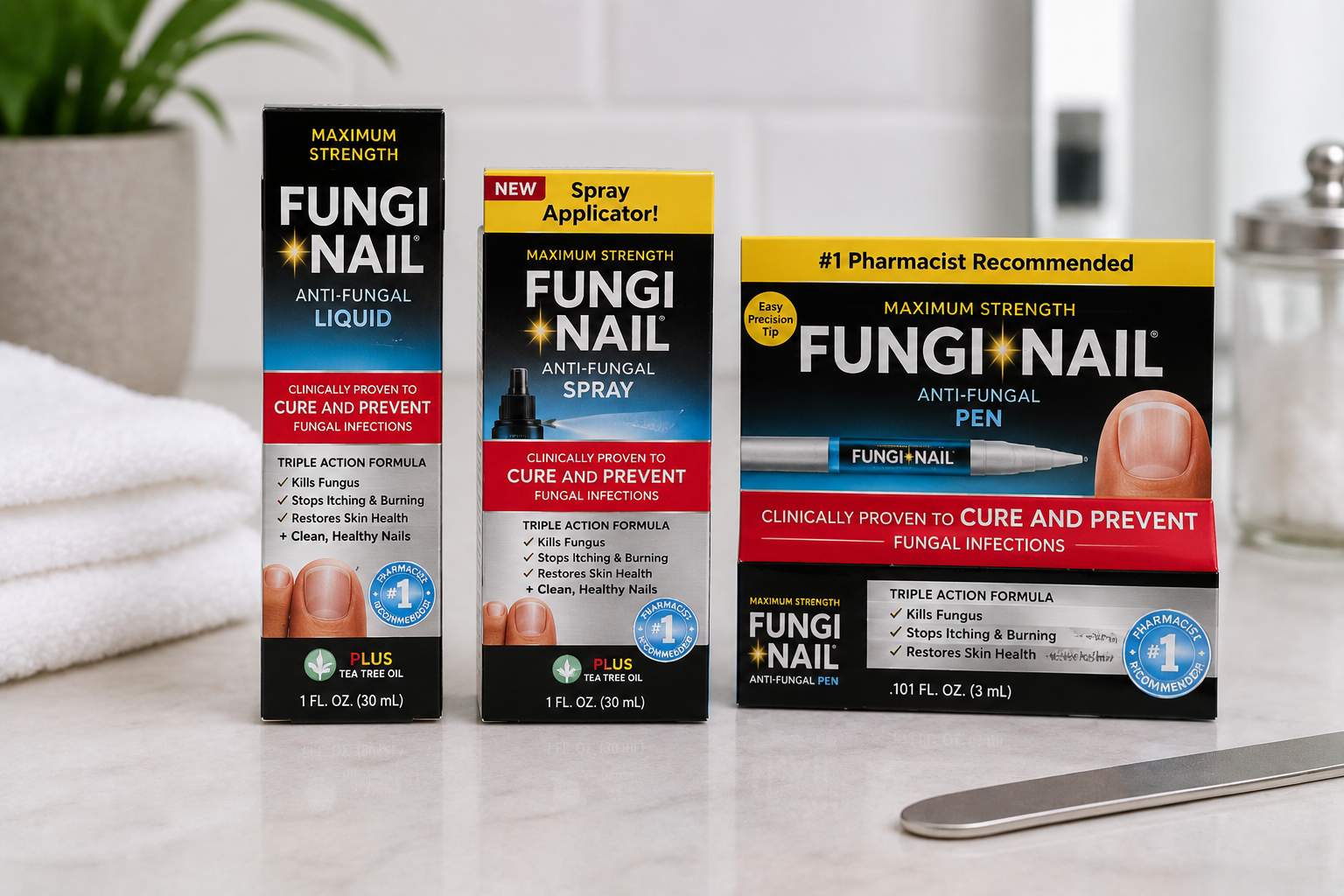
As shown in the product images on page 2, the packaging prominently features claims such as “Kills Fungus,” “Maximum Strength,” and “Clinically Proven to Cure and Prevent Fungal Infections.” The complaint asserts that these statements create a strong and uniform impression that the products are effective treatments for nail fungus.
However, the lawsuit alleges that these representations are false and misleading because the products are not capable of treating nail fungus. The complaint states that Arcadia itself acknowledges this limitation through disclaimers on the back label, which indicate that the product is “not effective on nails” or “not for nail or scalp fungus.” These disclaimers, according to the plaintiff, are presented in fine print and are not visible to consumers at the point of purchase.
The complaint further alleges that consumers, including the named plaintiff, reasonably rely on front-label claims and product names when making purchasing decisions. The plaintiff states that she purchased the product believing it would treat her nail fungus and used it for several months without any improvement. She alleges that she would not have purchased the product, or would have paid less, had she known it was ineffective for that purpose.
According to the complaint, Arcadia was aware that consumers interpret the product as a nail fungus treatment and that many do not read fine-print disclaimers. Despite this knowledge, the company allegedly continued to market the product using prominent antifungal claims without providing a clear and conspicuous front-label disclosure of its limitations.
The lawsuit also contends that the placement of the products in the “foot care” section of stores, along with nail imagery and antifungal messaging, reinforces the misleading impression that the products treat nail fungus. The plaintiff argues that these combined elements create a net impression that is deceptive, even if contradictory information appears elsewhere on the packaging.
The complaint brings multiple claims, including fraud, fraudulent concealment, violations of the Illinois Consumer Fraud and Deceptive Business Practices Act, and breach of express and implied warranties. The plaintiff alleges that consumers suffered economic harm by purchasing products that lacked the advertised efficacy and seeks damages, restitution, injunctive relief, and other remedies.
Leave a Reply