CASE NAME: Fahey v. eos Products, LLC
CASE NO.: 3:26-cv-05570
JURISDICTION: United States District Court, Northern District of California
FILED ON: June 9, 2026
CLASS DEFINITION: All persons in the United States who purchased eos “100% Natural” lip balm products, with a California subclass of purchasers within the state during the applicable limitations period.
SUMMARY:
According to the complaint, eos Products, LLC allegedly misled consumers by marketing its lip balm products as “100% Natural” and “100% Natural & Organic” despite containing synthetic and highly processed ingredients. The lawsuit claims that reasonable consumers interpret “100% Natural” to mean the product contains only natural, unprocessed ingredients, free from artificial or synthetic substances. However, the complaint alleges that the products include stevia leaf extract and anisyl alcohol, which are produced through extensive industrial processes and therefore are not natural. As a result, consumers were allegedly deceived into paying a premium for products that did not meet the advertised standard.
ALLEGATIONS:
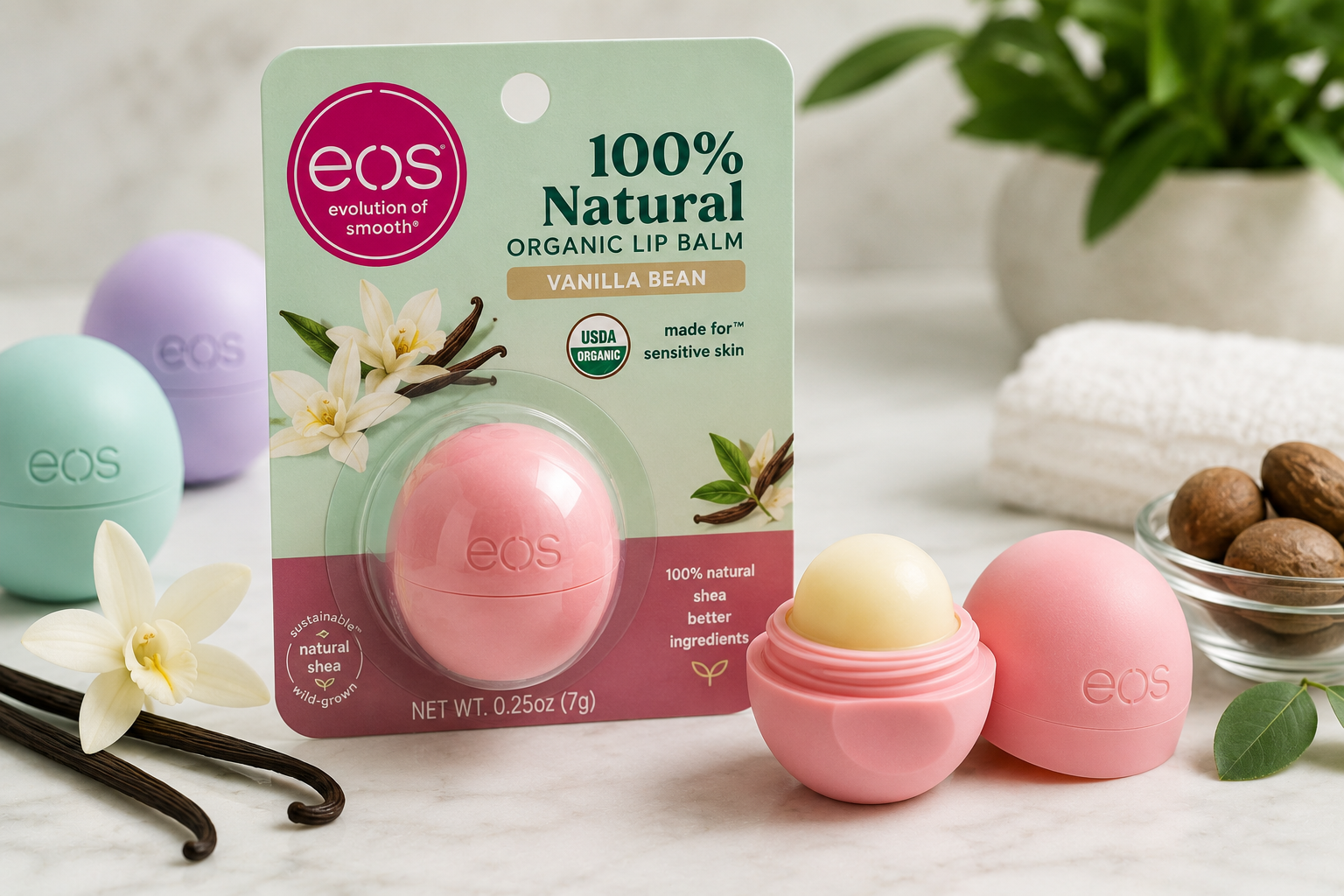
The lawsuit alleges that eos prominently labels its lip balm products as “100% Natural,” a claim displayed clearly on the front of the packaging. As shown in the product image on page 5, this representation is designed to communicate to consumers that the products are made entirely from natural ingredients.
According to the complaint, this representation is misleading because the products contain stevia leaf extract and anisyl alcohol, which the plaintiff alleges are not natural ingredients. While stevia originates from a plant, the complaint explains that the form used in consumer products undergoes extensive industrial processing. The multi-step production diagrams on pages 9–12 illustrate how stevia leaf extract is created through processes such as hot water extraction, electrocoagulation, filtration, resin adsorption, ethanol treatment, nanofiltration, and spray drying. The plaintiff alleges that by the end of this process, the ingredient becomes a highly processed alcohol-based substance that no longer qualifies as natural.
Similarly, the complaint describes anisyl alcohol as a synthetic fragrance ingredient produced through a series of chemical reactions. These include oxidation using industrial chemicals, solvent extraction with petroleum-based toluene, catalytic reduction under hydrogen pressure, and purification through distillation. According to the complaint, this complex manufacturing process renders anisyl alcohol a synthetic chemical rather than a natural ingredient.
The lawsuit further alleges that eos reinforces the “100% Natural” claim not only on product packaging but also through its website and marketing materials. As shown in the website excerpt on page 7, the company describes its products as being made with “100% natural and organic ingredients” and repeats the claim in product benefit descriptions.
Despite these prominent representations, the complaint asserts that the presence of stevia leaf extract and anisyl alcohol is disclosed only in small print on the ingredient list, which consumers are less likely to review. The plaintiff argues that this creates a misleading discrepancy between the front-label claims and the actual product composition.
The lawsuit also emphasizes that consumers place significant importance on “natural” labeling, particularly in personal care products. According to the complaint, many consumers seek products free from synthetic or artificial ingredients and are willing to pay a premium for items marketed as natural. The plaintiff alleges that eos capitalized on this demand by prominently featuring the “100% Natural” claim while including ingredients that do not meet that expectation.
The plaintiff claims she relied on the “100% Natural” representation when purchasing the product and would not have bought it, or would have paid less, had she known it contained synthetic ingredients. The lawsuit alleges that this conduct caused economic harm to consumers who paid more for products that did not conform to their advertised qualities.
The complaint brings claims under California consumer protection laws, including the Consumers Legal Remedies Act, Unfair Competition Law, and False Advertising Law, as well as breach of express warranty. The plaintiff seeks damages, restitution, injunctive relief, and other remedies on behalf of herself and the proposed class.
Leave a Reply