
CASE NAME: Graglia v. Cargill, Inc.
CASE NO.: 1:26-cv-03274
JURISDICTION: United States District Court, Eastern District of New York
FILED ON: June 1, 2026
CLASS DEFINITION: All persons in New York who purchased Truvia Sweet Complete Granulated All-Purpose Monk Fruit Sweetener for personal use during the applicable limitations period.
SUMMARY:
According to the complaint, Cargill, Inc. allegedly misled consumers by marketing its Truvia Sweet Complete Monk Fruit Sweetener as being primarily made from monk fruit and containing “no artificial sweeteners,” when in reality the product is predominantly composed of erythritol, which the plaintiff claims is an artificial sweetener. The lawsuit asserts that consumers rely on representations about natural ingredients and the absence of artificial sweeteners when making purchasing decisions, and are willing to pay a premium for such products. However, the complaint contends that the product’s actual composition contradicts these claims, resulting in consumers purchasing a product that does not meet their expectations.
ALLEGATIONS:
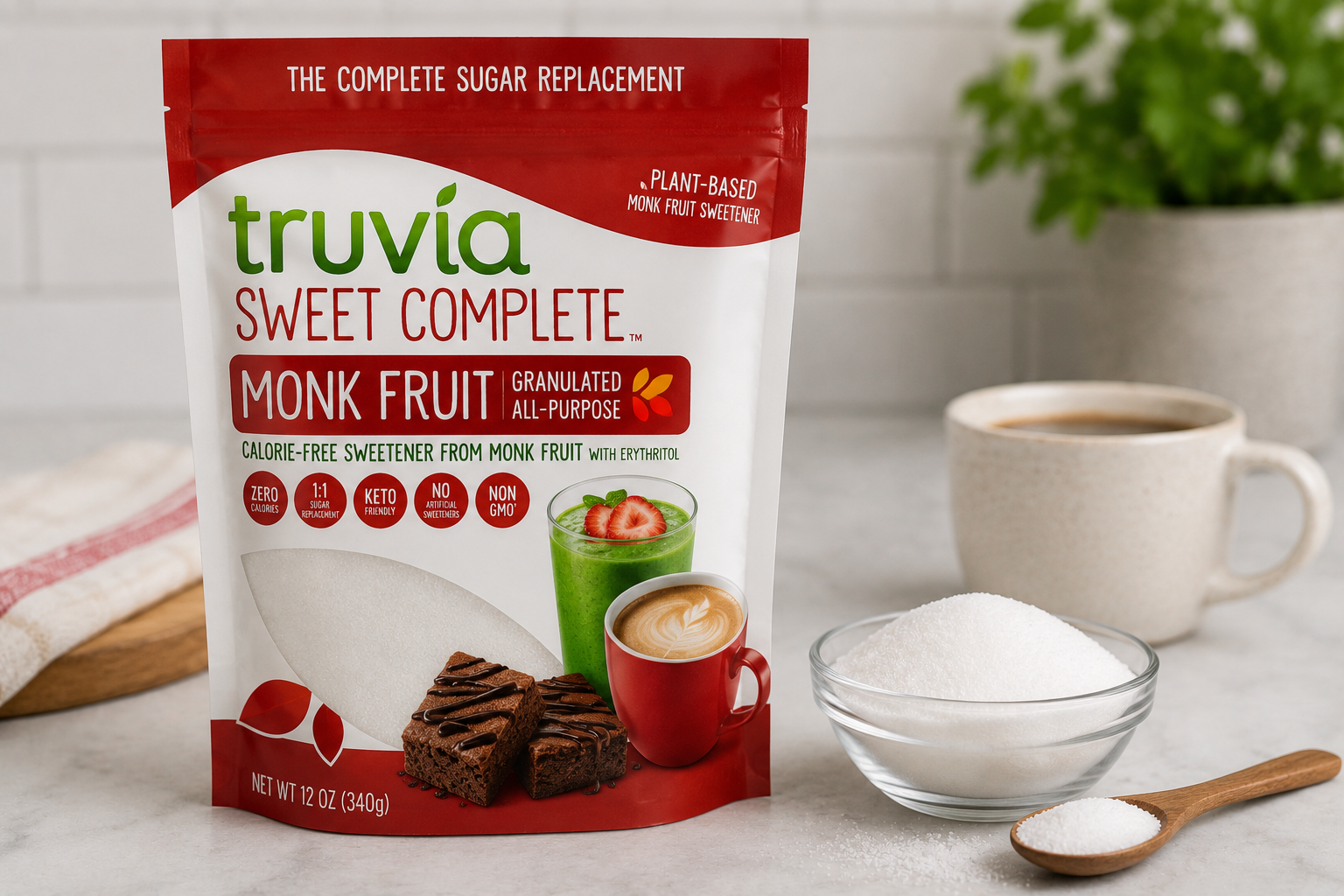
The lawsuit alleges that Cargill falsely and misleadingly labels its Truvia Sweet Complete product to suggest that it is primarily derived from monk fruit and free from artificial sweeteners. As shown in the product packaging on page 3, the label prominently highlights “Monk Fruit” and includes the claim “NO ARTIFICIAL SWEETENERS,” which the plaintiff argues conveys a clear message to consumers about the product’s composition.
According to the complaint, these representations are misleading because the product is not primarily made from monk fruit. Instead, the ingredient list—organized in descending order by weight—identifies erythritol as the first and most abundant ingredient, followed by chicory root fiber, with monk fruit extract listed last. The plaintiff alleges that this indicates monk fruit is only a minor component of the product.
The complaint further alleges that erythritol is an artificial sweetener. It describes the industrial process used to manufacture erythritol, which involves extracting starch from sources such as genetically modified corn or wheat, converting it into sugars, and fermenting it using engineered yeast strains. As illustrated in the flow chart on page 6, this process includes multiple steps such as hydrolysis, fermentation, purification, crystallization, and drying, which the plaintiff claims render erythritol artificial rather than natural.
In addition to being allegedly artificial, the complaint asserts that erythritol lacks the health benefits associated with monk fruit. Monk fruit is described as a natural, zero-calorie sweetener containing antioxidants and anti-inflammatory properties. By contrast, the lawsuit claims erythritol does not provide these benefits and may pose health concerns. The complaint cites research suggesting a potential link between erythritol consumption and increased risks of blood clots, heart attacks, and strokes, as well as digestive issues such as bloating and discomfort.
The plaintiff alleges that Cargill intentionally emphasized monk fruit and “no artificial sweeteners” claims to appeal to health-conscious consumers seeking natural alternatives to sugar. The complaint states that consumers are increasingly willing to pay more for products marketed as natural or free from artificial ingredients, and that these representations materially influence purchasing decisions.
According to the complaint, the plaintiff purchased the product relying on these representations and would not have done so, or would have paid less, had he known the truth about its composition. The lawsuit claims that this conduct resulted in economic harm to consumers who overpaid for a product that did not match its advertised qualities.
The complaint brings claims under New York consumer protection laws, including violations of General Business Law §§ 349 and 350, as well as breach of express warranty. The plaintiff seeks damages, restitution, injunctive relief, and other remedies on behalf of himself and the proposed class.
Leave a Reply