
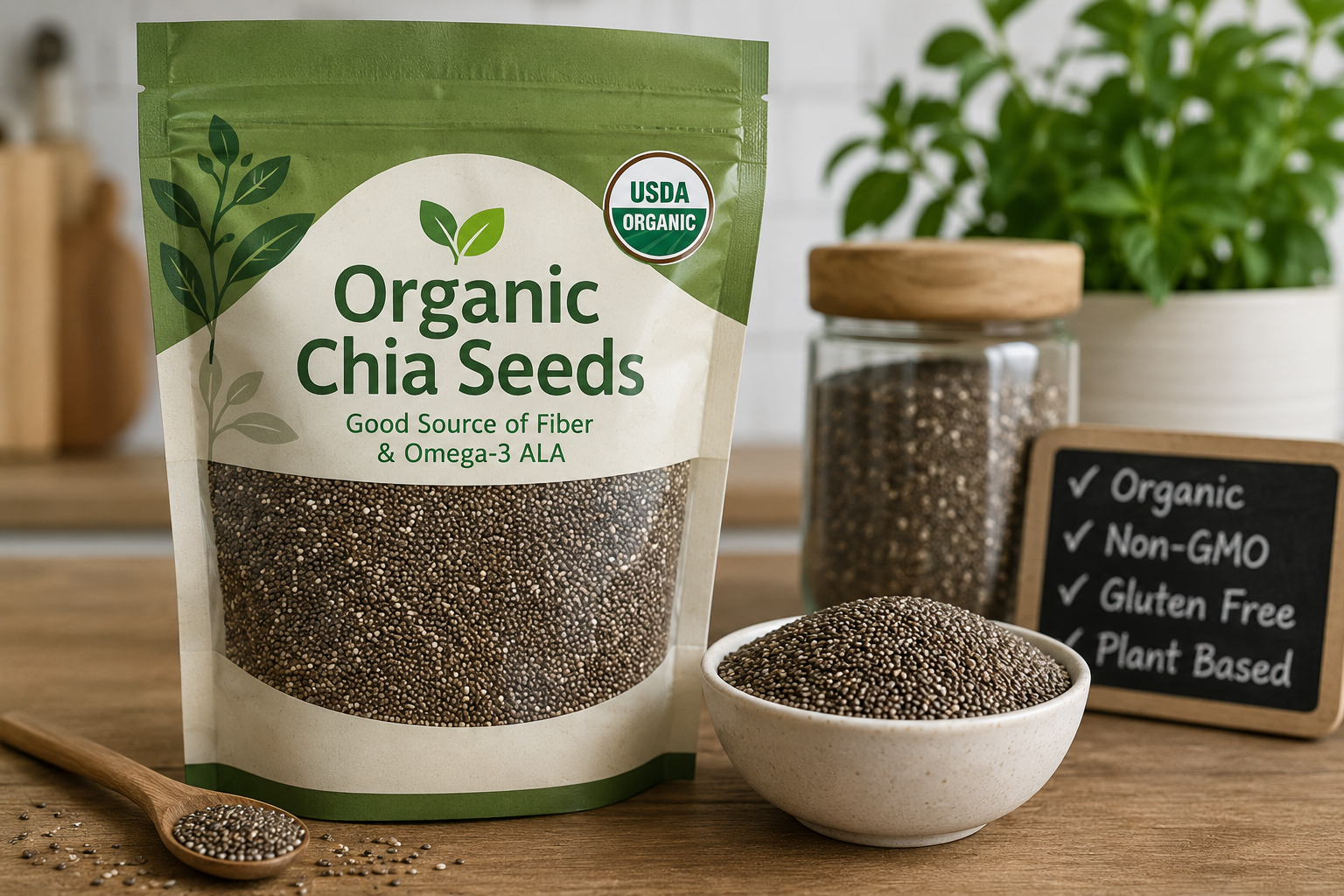
CASE NAME: Nicholis Palmier v. Walmart, Inc.
CASE NO.: 4:26-cv-10140
JURISDICTION: United States District Court, Southern District of Florida, Key West Division
FILED ON: June 29, 2026
CLASS DEFINITION: The lawsuit seeks to represent a nationwide class of all persons in the United States who purchased Walmart’s Great Value Organic Chia Seeds during the applicable limitations period, or alternatively a Florida subclass consisting of Florida purchasers of the product.
SUMMARY:
A proposed class action lawsuit has been filed against Walmart, Inc. alleging that its Great Value Organic Chia Seeds were deceptively marketed and sold despite allegedly containing excessive levels of mold and yeast. According to the complaint, independent laboratory testing performed by ConsumerLab.com found that the product contained mold levels approximately eight times higher than the allowable limit applied to botanical products by the United States Pharmacopeia. The plaintiff alleges Walmart failed to disclose the alleged contamination on the product’s packaging, causing consumers to pay a premium for a product they believed was safe, wholesome, and of the quality represented. The lawsuit seeks monetary damages, restitution, injunctive relief, corrective advertising, and other remedies on behalf of consumers nationwide.
ALLEGATIONS:
According to the complaint, plaintiff Nicholis Palmier purchased Great Value Organic Chia Seeds from a Walmart Supercenter in Homestead, Florida after reviewing the product’s labeling and relying on Walmart’s representations regarding the product’s quality. The plaintiff alleges he would not have purchased the product, or would have paid less for it, had he known it allegedly contained or was at risk of containing excessive mold and yeast.
The lawsuit emphasizes Walmart’s extensive marketing of its Great Value private-label products as high-quality alternatives to national brands. According to the complaint, consumers reasonably expect products sold under the Great Value and Organic labels to meet high quality and safety standards. The plaintiff contends these expectations influenced purchasing decisions and justified consumers paying a premium price.
Central to the complaint are findings allegedly published by ConsumerLab.com following independent testing of several chia seed products available in the United States. The lawsuit alleges that Walmart’s Great Value Organic Chia Seeds contained approximately 8,000 colony forming units of mold per gram, which the complaint states is roughly eight times the 1,000 CFU/g limit referenced for botanical products by the United States Pharmacopeia. According to the complaint, the mold was not visibly detectable but was identified through laboratory testing conducted before the product’s expiration date.
The plaintiff alleges Walmart omitted material information by failing to disclose the alleged presence or risk of mold and yeast contamination anywhere on the product’s packaging or labeling. The lawsuit contends reasonable consumers would expect food products, particularly those marketed as organic, to be free from potentially harmful contaminants unless otherwise disclosed. According to the complaint, consumers lack the ability to independently determine whether chia seeds contain excessive mold or yeast before purchasing them and therefore rely on manufacturers and retailers to provide accurate information.
The complaint further alleges Walmart possessed superior knowledge regarding the sourcing, manufacturing, testing, and quality control of its private-label products. According to the lawsuit, Walmart either knew or should have known about the alleged contamination risks and had the ability to test products before distributing them to consumers.
The plaintiff claims Walmart’s alleged omissions violated the Florida Deceptive and Unfair Trade Practices Act by misleading consumers into believing the product was safe and free from undisclosed contaminants. In addition to the statutory consumer protection claim, the complaint asserts causes of action for breach of express warranty, breach of implied warranty, violations of the Magnuson-Moss Warranty Act, negligent misrepresentation, and unjust enrichment.
As relief, the lawsuit requests certification of a nationwide class and an alternative Florida subclass, restitution, refunds for affected purchasers, disgorgement of profits, compensatory damages, attorneys’ fees and costs, injunctive relief requiring Walmart to cease the alleged deceptive practices, corrective advertising, and a recall of the product. The allegations remain claims made by the plaintiff, and the Court has not determined whether the allegations are true.

Leave a Reply