CASE NAME: Christa Kirby and Mark Rivers v. Sanofi-Aventis U.S. LLC and Quten Research Institute, LLC
CASE NO.: 2:26-cv-07123
JURISDICTION: United States District Court, District of New Jersey
FILED ON: June 15, 2026
CLASS DEFINITION: The proposed nationwide class includes all persons who purchased Qunol Liquid CoQ10 in the United States for personal or household use rather than for resale. The complaint also seeks certification of separate New Jersey and California subclasses.
SUMMARY:
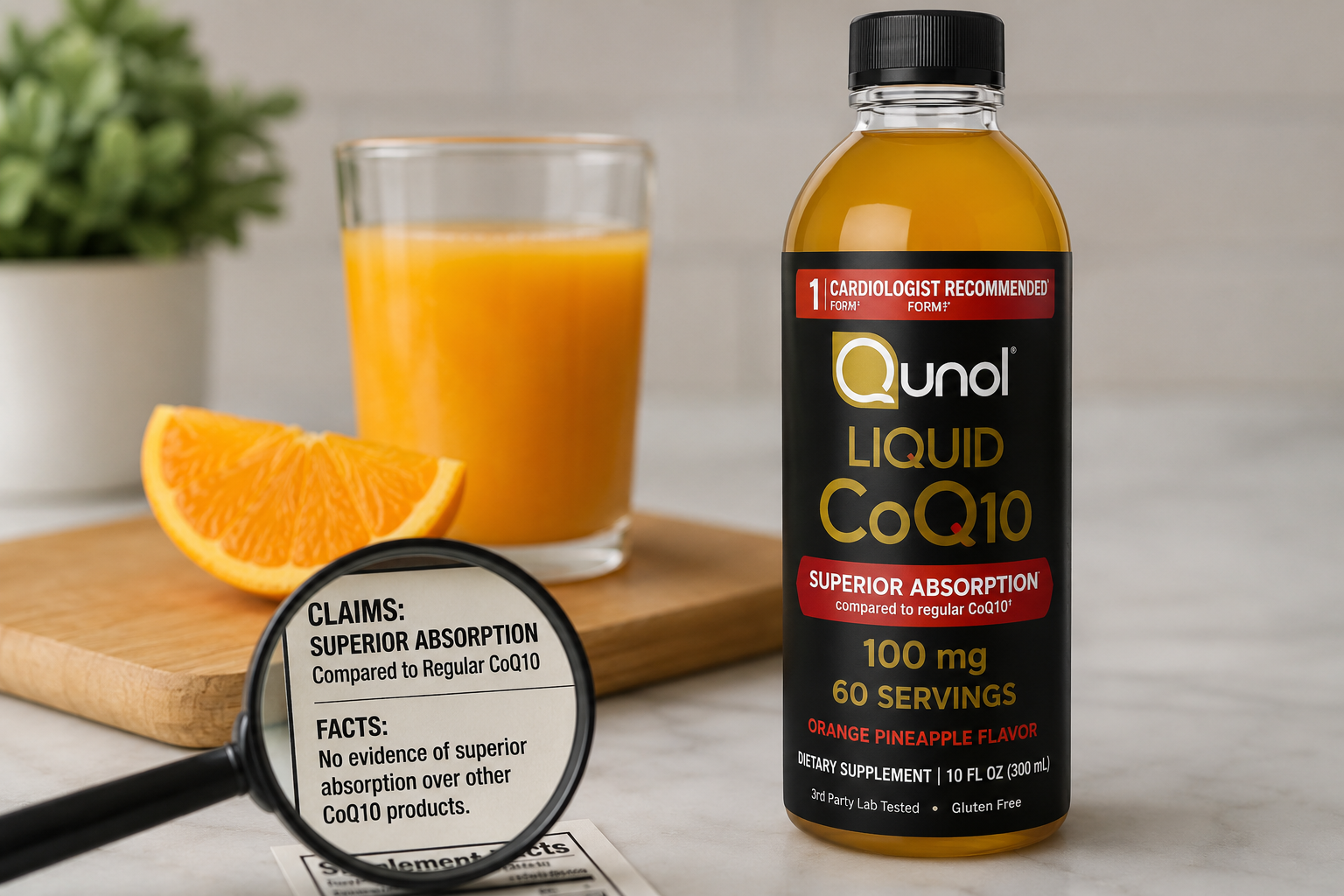
A proposed class action alleges that Sanofi-Aventis U.S. LLC and its subsidiary, Quten Research Institute, falsely marketed Qunol Liquid CoQ10 by repeatedly claiming the supplement provides “superior absorption compared to regular CoQ10.” According to the complaint, scientific testing performed on the product showed that it did not possess the physical characteristics necessary to support those absorption claims because the product’s formulation had become unstable. Plaintiffs contend consumers paid a premium price based on these allegedly misleading representations and would not have purchased the product, or would have paid less, had they known the truth. The lawsuit also highlights prior litigation involving similar absorption claims made for Qunol CoQ10 products, alleging defendants resumed substantially similar marketing after a previous court injunction expired.
ALLEGATIONS:
According to the complaint, Coenzyme Q10 (CoQ10) is a popular dietary supplement used by consumers seeking cardiovascular support, energy production, and antioxidant benefits. Because CoQ10 naturally has poor water solubility and limited bioavailability, manufacturers often promote specialized formulations intended to improve absorption.
The lawsuit alleges that Qunol Liquid CoQ10 was marketed throughout the United States with prominent statements claiming it offered “superior absorption compared to regular CoQ10.” Plaintiffs allege these representations appeared directly on the product packaging as well as on online retail platforms including the manufacturer’s website, Amazon, and Costco. Marketing materials also allegedly claimed the product dissolved in both water and fat, leading consumers to believe it provided enhanced absorption and greater effectiveness than conventional CoQ10 supplements.
According to the complaint, defendants attributed these absorption advantages to proprietary technology covered by a patent that was designed to keep CoQ10 in a stable, dispersed state. Plaintiffs contend, however, that expert examination of purchased bottles revealed visible crystallization, aggregation, and other signs that the emulsion had failed. The lawsuit alleges that once this instability occurs, the product no longer maintains the properties necessary to support claims of superior absorption, eliminating the scientific basis for the advertised performance.
The complaint further alleges that because the product allegedly loses its stable formulation before reaching consumers, its absorption is no better than ordinary, unsolubilized CoQ10 products. Plaintiffs argue that the “superior absorption” claim is therefore false and misleading for every sale of the product.
The lawsuit also places significant emphasis on defendants’ history of advertising similar absorption claims. According to the complaint, Quten previously agreed to a court-approved settlement that included a ten-year injunction prohibiting certain unsupported absorption claims regarding Qunol CoQ10 products. Plaintiffs allege that after the injunction expired, defendants resumed making comparable superiority claims without adequate scientific support.
Named plaintiffs Christa Kirby of New Jersey and Mark Rivers of California allege they purchased Qunol Liquid CoQ10 after relying on the advertised absorption claims. They contend they paid approximately $30 per bottle because they believed the supplement provided enhanced absorption compared to competing products. According to the complaint, they suffered economic injury because they paid a premium price for a benefit the product allegedly did not provide.
The lawsuit asserts claims under the New Jersey Consumer Fraud Act, California’s Consumers Legal Remedies Act, California False Advertising Law, California Unfair Competition Law, and the federal Declaratory Judgment Act. Plaintiffs seek certification of nationwide and state classes, monetary damages, restitution, injunctive relief prohibiting the continued use of the challenged advertising, declaratory relief, attorneys’ fees, and other appropriate relief.
Leave a Reply