CASE NAME: Michael Walsh v. PepsiCo, Inc. and The Gatorade Company
CASE NO.: 26-cv-05191
JURISDICTION: United States District Court for the Southern District of New York
FILED ON: June 18, 2026
CLASS DEFINITION: The lawsuit seeks to represent all persons in the United States who purchased the challenged Gatorade products from March 1, 2026 through the date of judgment or until the alleged conduct ceases, along with a California subclass for purchasers in California.
SUMMARY:
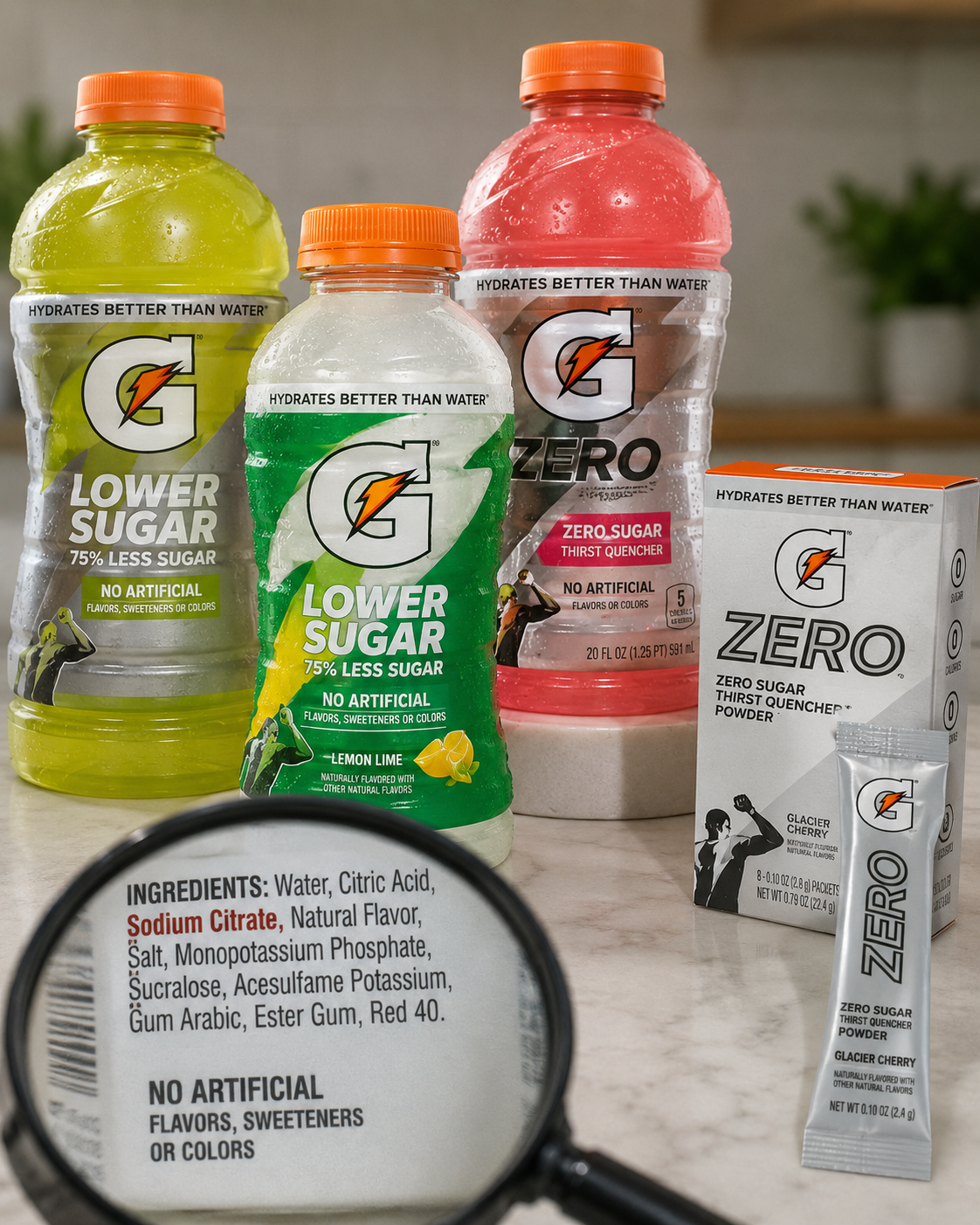
According to the complaint, PepsiCo and The Gatorade Company misled consumers by marketing several Gatorade products with claims that they contain no artificial flavors or are naturally flavored, while allegedly containing manufactured citric acid and sodium citrate that the lawsuit characterizes as artificial flavoring ingredients. The lawsuit also challenges the products’ “Hydrates Better Than Water” claim, alleging that the statement is misleading because any hydration advantage over water applies primarily during prolonged exercise involving significant sweating rather than for typical everyday consumption. The plaintiff alleges consumers paid a premium for these representations and seeks monetary damages, injunctive relief, and changes to the products’ marketing and labeling.
ALLEGATIONS:
According to the complaint, the challenged products include Classic Gatorade, Gatorade Zero, Gatorade Zero Thirst Quencher Powder, and Gatorade Lower Sugar. The lawsuit alleges these products are promoted across product packaging, company websites, social media, retailer websites, and advertising campaigns using claims such as “No Artificial Flavors,” “Naturally Flavored,” and “Hydrates Better Than Water.”
The complaint contends that these marketing statements are false because the products contain citric acid and sodium citrate, which the plaintiff alleges are manufactured through industrial processes rather than being naturally derived. According to the lawsuit, commercially produced citric acid is almost always manufactured through fermentation using Aspergillus niger, while sodium citrate is produced as a synthetic derivative of citric acid. The plaintiff argues these ingredients function as flavoring agents and therefore allegedly make the products’ “no artificial flavors” and “naturally flavored” claims misleading.
The lawsuit further alleges that Gatorade Lower Sugar products prominently advertise that they contain “no artificial flavors, sweeteners or colors,” while Gatorade Powder products state they contain “no added colors or artificial flavors.” Classic Gatorade and Gatorade Zero are also alleged to feature “naturally flavored with other natural flavors” claims despite containing the same challenged ingredients.
In addition to the ingredient claims, the complaint disputes Gatorade’s “Hydrates Better Than Water” marketing. According to the lawsuit, sports drinks may provide benefits during extended physical activity because they replace electrolytes and carbohydrates lost through sweat, but they do not generally hydrate better than water for consumers engaged in ordinary daily activities. The plaintiff alleges that marketing the products as categorically superior to water misleads reasonable consumers into believing they receive hydration benefits under normal circumstances.
The complaint further alleges that PepsiCo repeated these representations throughout its marketing ecosystem, including on its own website, retailer product listings, Amazon, Walmart, Target, social media posts, influencer promotions, and multipack packaging. According to the lawsuit, these consistent advertising messages were intended to appeal to health-conscious consumers seeking beverages free from artificial ingredients.
The named plaintiff alleges he purchased Gatorade Lower Sugar products because he relied on the “Hydrates Better Than Water” and “No Artificial Flavors, Sweeteners, or Colors” representations. The complaint states that he would not have purchased the products, or would have paid less, had he known the alleged truth about the ingredients and hydration claims.
The lawsuit asserts claims under New York consumer protection laws as well as California’s Unfair Competition Law, False Advertising Law, and Consumer Legal Remedies Act. The plaintiff seeks certification of a nationwide class and California subclass, restitution, damages, attorneys’ fees, injunctive relief requiring changes to the products’ labeling and advertising, and other relief deemed appropriate by the court.
Leave a Reply