Case Details
- CASE NAME: Keene v. Lentiful, LLC
- CASE NO. 1:26-cv-03473
- JURISDICTION: United States District Court for the District of Colorado
- FILED ON: 07/30/26
- CLASS DEFINTION: All citizens of California who purchased Lentiful-branded instant lentil products during the relevant statute of limitations period.
Summary
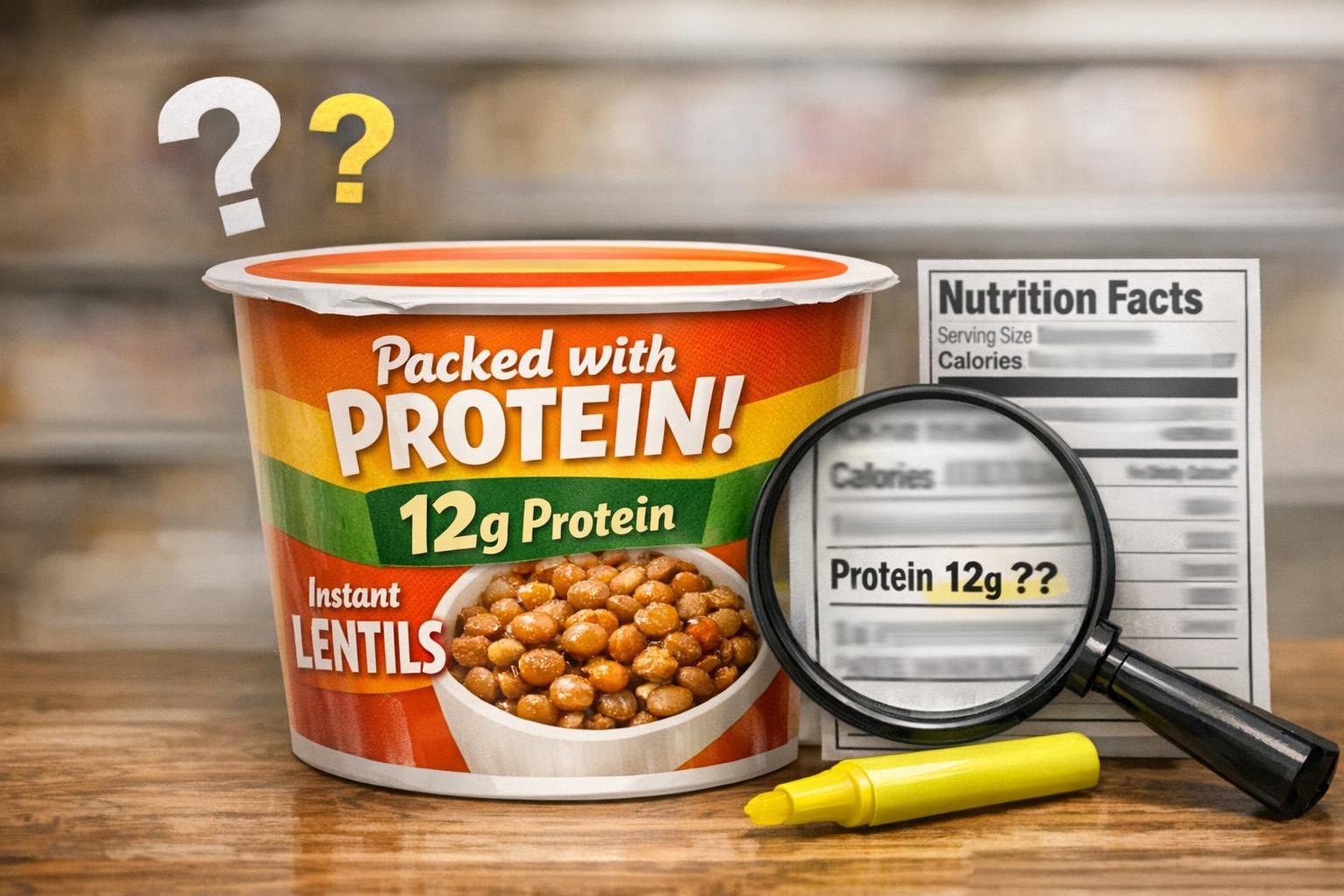
According to the complaint, Lentiful, LLC is accused of deceptively marketing its instant lentil cups as high‑protein foods by prominently claiming they are “PACKED WITH PROTEIN,” contain “12g Protein,” and provide 24% of the Daily Recommended Value (DRV) for protein, even though the actual usable protein allegedly is far lower once protein quality is taken into account.
The lawsuit contends that because the protein in these products comes primarily from lentils, which allegedly have lower Protein Digestibility Corrected Amino Acid Scores (PDCAAS), the products deliver only about half the represented protein DRV. The complaint asserts that Lentiful miscalculates and misrepresents the protein Percent Daily Value in the Nutrition Facts Panel in violation of FDA regulations and corresponding California and Colorado laws, and that consumers paid a price premium based on the belief that the products were legitimately high in protein.
The suit seeks damages, restitution, disgorgement, and injunctive relief to halt the challenged protein labeling and marketing practices.
Allegations
Product marketing and packaging
The lawsuit alleges that Lentiful manufactures and sells a line of instant lentil products nationwide, including flavors such as Mexican Green Chile, Thai Coconut Curry, and several low‑sodium varieties. These products are allegedly marketed with strong protein‑centric messaging, including statements on the top and front of the packaging that they are “PACKED WITH PROTEIN” and contain “12G PROTEIN” per serving. The complaint states that the packaging also features design elements emphasizing protein, fiber, and calorie content, reinforcing the idea that Lentiful’s cups are a convenient, high‑protein meal or snack option.
The Nutrition Facts Panel for these products represents that each serving contains 12 grams of protein and 24% of the DRV for protein. Plaintiff Caley Keene claims that this combination of gram and percentage statements leads reasonable consumers to understand that a single serving of Lentiful provides nearly one‑quarter of the protein an average adult should consume in a day. The complaint alleges that health‑conscious shoppers, including Keene, rely on such representations when choosing products that are marketed as high in protein.
Nutrition facts, PDCAAS, and protein quality
The complaint explains that not all dietary proteins are nutritionally equivalent. It alleges that FDA regulations require companies that make protein content claims outside the Nutrition Facts Panel to calculate and disclose a corrected protein Percent Daily Value inside the panel using the Protein Digestibility Corrected Amino Acid Score, or PDCAAS. This method purportedly adjusts the raw grams of protein by accounting for the amino acid profile and digestibility of the protein source, thereby indicating how much protein is actually usable by the human body.
According to the lawsuit, lentils are the primary protein source in Lentiful’s products and have PDCAAS values of approximately 0.5 to 0.6. The complaint claims this means that only about 40–50% of the labeled protein grams in the products contribute to human protein needs. On that basis, the plaintiff alleges that, although Lentiful labels its products as containing 12 grams of protein and 24% DRV, when properly adjusted for protein quality the products provide only about 13% of the DRV. The lawsuit asserts that Lentiful effectively presents its lentil‑based protein as if it were a complete, fully usable protein with a PDCAAS of 1.0, thereby overstating the true nutritional contribution of the products’ protein.
The complaint further alleges that this misrepresentation violates FDA protein‑labeling regulations, which the plaintiff contends are incorporated into state law, and that it misleads consumers regarding the nutritional value they are purchasing. The lawsuit claims that Lentiful’s allegedly inflated protein Percent Daily Value, combined with its “PACKED WITH PROTEIN” and “12G PROTEIN” statements, creates the impression that the products are excellent sources of high‑quality protein.
Marketing channels and consumer reliance
In addition to package labeling, the complaint states that Lentiful reinforces these themes through its website and marketing materials. According to the lawsuit, Lentiful describes lentils as “high protein” and “muscle‑friendly” and compares its products’ protein content favorably to that of typical instant meals. The plaintiff alleges that these marketing messages, together with the challenged Nutrition Facts Panel disclosures, lead consumers to believe that Lentiful’s instant lentil cups provide a substantial, high‑quality protein contribution, when in reality the usable protein is significantly lower due to the lower PDCAAS of lentil protein.
Plaintiff’s purchase and alleged reliance
Plaintiff Keene, a California consumer, alleges that she purchased the Mexican Green Chile instant lentil product at a Whole Foods store in California. She claims she relied on the “PACKED WITH PROTEIN,” “12G PROTEIN,” and “24%” DRV representations when deciding to buy the product, and that she understood these statements to indicate that the product was a high‑protein offering providing nearly one‑quarter of her daily protein needs. The complaint asserts that she and other consumers would not have purchased the products, or would have paid less, had they known the true corrected protein value.
Claims and relief sought
The lawsuit alleges that Lentiful’s conduct violates California’s Sherman Law, Consumers Legal Remedies Act, Unfair Competition Law, and False Advertising Law, as well as the Colorado Consumer Protection Act and common‑law unjust enrichment principles. The plaintiff seeks damages, restitution, disgorgement of profits, and injunctive relief to stop Lentiful from using the challenged protein‑related labeling and marketing statements in the future.

Leave a Reply