
Case Name
Kristen Maggi versus Kind Patches Limited
Case No.
1:26-cv-01466-MAD-DJS
Jurisdiction
United States District Court Northern District of New York
Filed On
07/29/26
Class Definition
According to the complaint, the proposed class consists of all persons in the United States, including subclasses of New York and California purchasers, who bought Kind Patches Limited’s “Dopamine Patches,” now marketed as “Mood+ Patches (Formerly Dopamine).”
Summary
According to the complaint, four consumers have filed a proposed nationwide class action accusing Kind Patches Limited of falsely marketing its “Dopamine Patches,” now called “Mood+ Patches (Formerly Dopamine),” as transdermal “mental wellness” products that contain or support dopamine and serotonin and deliver mood, focus, and motivation benefits, even though the patches do not contain dopamine and allegedly cannot provide the advertised neurological effects.
The lawsuit claims that the product’s name, front‑of‑package claims, and online and social media promotions mislead reasonable consumers into believing they are purchasing a dopamine‑based or dopamine‑supporting patch comparable in effect to products that actually affect dopamine pathways. Plaintiffs allege they paid a price premium for a misbranded and materially less valuable product and seek damages, restitution, and injunctive relief on behalf of purchasers nationwide and in New York and California.
Allegations
The complaint explains that dopamine is a naturally occurring neurotransmitter that plays a central role in pleasure, motivation, focus, and mood, and that low dopamine levels are associated with symptoms such as mood swings, anxiety, poor concentration, and conditions including ADHD and Parkinson’s disease. It contrasts FDA‑approved medications that affect dopamine pathways, such as oral stimulants like methylphenidate and transdermal dopamine agonist patches like rotigotine, with Kind’s product.
Against this scientific background, the lawsuit alleges that Kind Patches Limited sought to capitalize on consumer interest in “biohacks” and holistic alternatives to prescription drugs by marketing its “Dopamine Patches” as a natural, easy, transdermal way to support dopamine and serotonin production and promote mood stability, emotional balance, and mental clarity.
The complaint alleges Kind sells the patches through its own website and major retailers and online platforms, including:
- Walmart
- Target
- Amazon
- Ulta
- CVS
- TikTok Shop
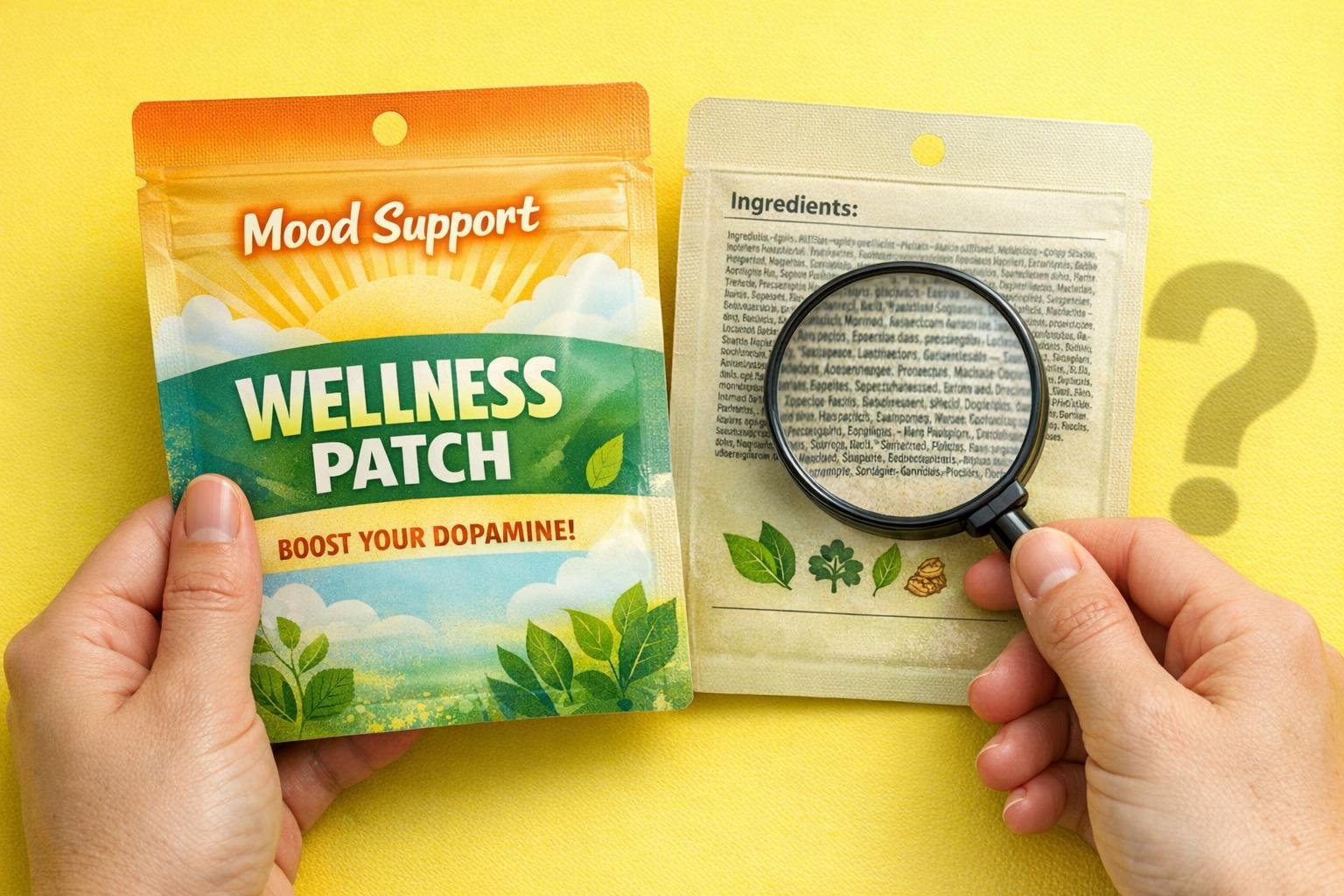
On the front of the product packaging, the phrase “Dopamine Patches” allegedly appears in bold on a bright yellow background alongside statements such as “30 Mental Wellness Patches,” “Supports Dopamine and Serotonin Production,” and “Mood Support and Positivity.” Online, Kind purportedly describes the patches with taglines such as “Support Your Mood. Feel More You,” claiming the patches are designed to help maintain emotional balance and offer steady, sustained support without the “ups and downs” of quick dopamine spikes.
The lawsuit further alleges that Kind’s social media posts promote the patches as plant‑based, featuring ingredients such as Mucuna pruriens, Rhodiola, and lion’s mane, and state that these patches “gently support[] your body’s natural dopamine production,” helping users feel balanced, clear‑headed, and energized. According to plaintiffs, these representations communicate to reasonable consumers that the patches either contain dopamine or provide dopamine‑like neurological benefits via a transdermal route.
However, the complaint states that the patches do not contain any dopamine. The ingredient list on the back of the packaging, printed in very small type, allegedly lists Mucuna pruriens extract, 5‑HTP, lion’s mane mushroom extract, and rhodiola extract, but no dopamine. Plaintiffs allege that these herbal ingredients are not equivalent to dopamine or a dopamine agonist and are ineffective at providing the same mood, focus, and motivation benefits as actual dopamine‑related drugs when delivered via a patch.
The lawsuit contends that scientific literature does not substantiate reliable transdermal delivery of these botanical ingredients at therapeutic levels, and it cites media and expert commentary characterizing “dopamine patch” products as “complete false advertising,” ineffective, and lacking strong evidence of safety or efficacy for conditions such as ADHD.
The complaint also relies on a 2026 decision by the UK Advertising Standards Authority (ASA) regarding a Kind Facebook advertisement for the Dopamine Patches. According to the complaint, the ASA found the ad misleading because it implied the patches could improve focus, mood, stress, motivation, and overall mental wellbeing by increasing dopamine, yet Kind’s supporting materials consisted largely of oral clinical studies on individual ingredients at higher doses than present in the patches and did not adequately substantiate the claimed benefits of the patch itself. The ASA therefore prohibited Kind from running that advertisement and from making unsubstantiated health benefit claims for its products.
Each named plaintiff—two residents of New York and two of California—alleges she purchased at least one package of Dopamine Patches between mid‑2025 and late 2025 from Kind’s website or TikTok Shop, paying approximately $12.75 to $31.99 per pack. The complaint states each plaintiff reviewed and relied upon the front‑of‑package marketing about dopamine and mood support in deciding to buy the product and later learned the patches did not contain dopamine and allegedly did not work as advertised. Plaintiffs also point to online reviews on Reddit, Amazon, and Trustpilot in which consumers describe the branding as misleading or “false advertising” and report experiencing “absolutely nothing” or “no change at all” in mood, energy, or motivation.
On behalf of a nationwide class and New York and California subclasses, the complaint asserts claims under state and federal consumer protection laws, including:
- New York General Business Law sections 349 and 350
- California’s Unfair Competition Law
- California’s False Advertising Law
- California’s Consumers Legal Remedies Act
- A nationwide unjust enrichment claim
Plaintiffs allege Kind’s dopamine‑related representations were material to reasonable consumers, caused them to pay a price premium, and deprived them of the benefit of their bargain. The lawsuit seeks damages, restitution, injunctive relief barring the challenged marketing and labeling practices, and recovery of attorneys’ fees and costs.

Leave a Reply