Case Information
CASE NAME: Sandra Meyers v. Cosmetic Alchemy LLC
CASE NO.: 2:26-cv-9703
JURISDICTION: United States District Court for the Central District of California
FILED ON: 08/31/26
Class Definition
According to the complaint, the proposed class consists of all individuals in the United States, including its territories and California, who purchased LiLash Purified Eyelash Serum or LiBrow Purified Eyebrow Serum for personal, family, or household use during the statutory period.
Summary
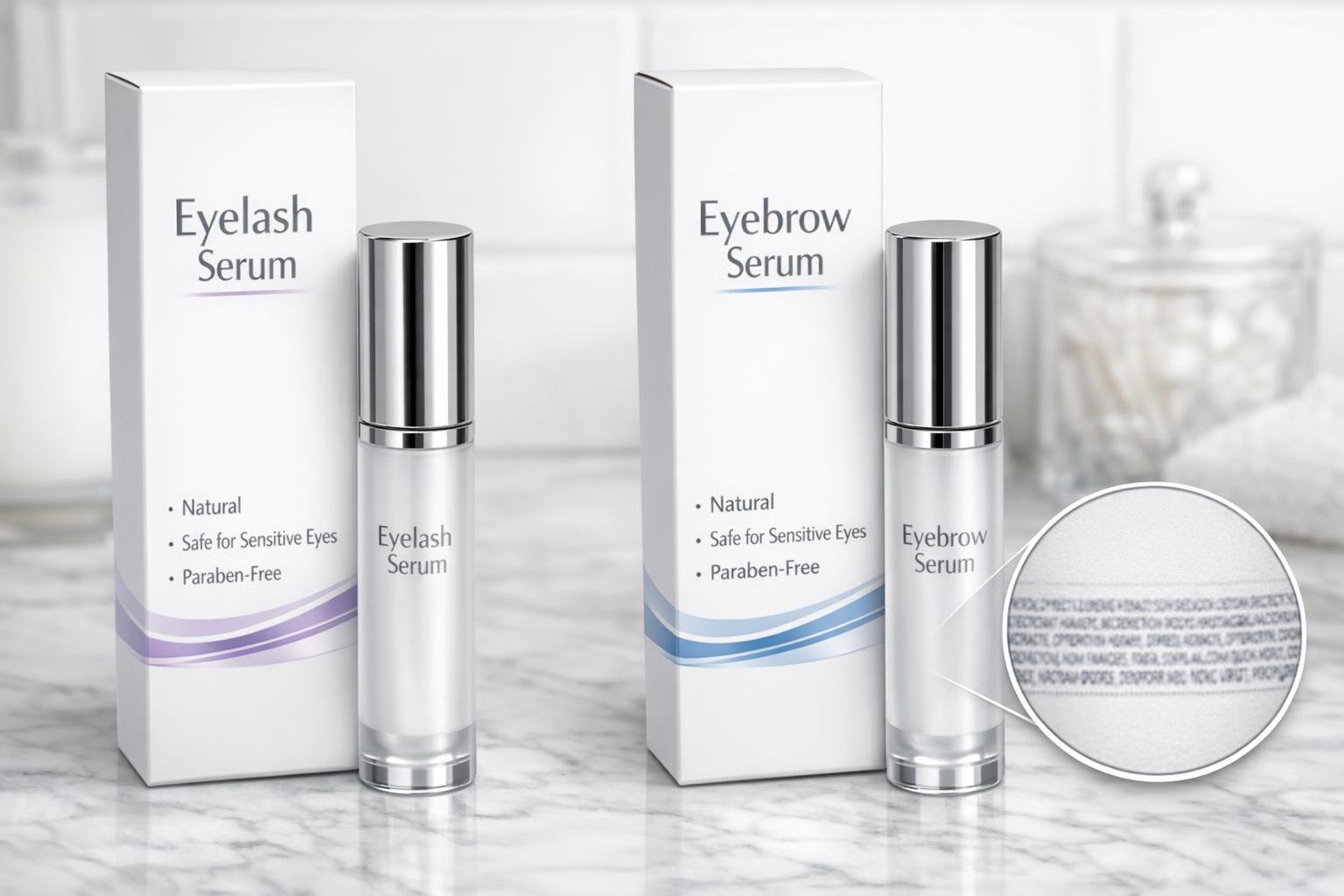
According to the complaint, plaintiff Sandra Meyers brings a proposed nationwide and California class action against Cosmetic Alchemy LLC, alleging that the company falsely marketed its LiLash Purified Eyelash Serum and LiBrow Purified Eyebrow Serum as safe, cosmetic “Enhancement Serums” while concealing the presence and risks of dehydrolatanoprost, a prostaglandin analog and pharmacologically active ingredient. The lawsuit claims Cosmetic Alchemy promoted the products as gentle, “naturally” nourishing, and safe for sensitive eyes without adequately disclosing that their lash- and brow-enhancing effects allegedly depend on this potent drug-like ingredient, which is alleged to be associated with significant eye-related adverse effects and other safety concerns.
The action seeks economic damages and injunctive relief on behalf of purchasers, asserting violations of consumer protection laws, fraud, warranty, negligence, and unjust enrichment, but does not seek compensation for personal injury.
Allegations
According to the complaint, Cosmetic Alchemy manufactures and sells LiLash Purified Eyelash Serum and LiBrow Purified Eyebrow Serum as cosmetic “Enhancement Serums” marketed to lengthen, thicken, and improve the appearance of eyelashes and eyebrows. The lawsuit alleges that these products are positioned as cosmetic conditioners that “naturally” nourish lashes and brows, while in reality they derive their effectiveness from dehydrolatanoprost, a prostaglandin analog in the same class as the active ingredient in the prescription drug Latisse.
The complaint asserts that prostaglandin analogs are potent pharmacologically active substances that can stimulate lash and brow growth but are associated with serious and potentially irreversible adverse effects. The lawsuit alleges that reported or recognized risks of such ingredients include:
- eye pain
- irritation
- redness
- dry eye
- eyelid and orbital tissue changes
- iris color change
- macular edema
- ocular inflammation
- potential reproductive and developmental toxicity
The pleading states that regulatory and scientific bodies, including the European Commission’s Scientific Committee on Consumer Safety and the U.S. Food and Drug Administration in relation to similar prostaglandin analogs, have raised safety concerns about using these substances near the eye, particularly in cosmetic products.
According to the complaint, Cosmetic Alchemy has not sought or obtained FDA approval for LiLash or LiBrow, yet sells them directly to consumers and through retailers at prices of approximately $90 to $150 per unit.
The lawsuit alleges that the company’s website and marketing emphasize that the products are “physician-formulated,” “ophthalmologist-tested,” “paraben-free & safe for sensitive skin,” and “safe for sensitive eyes and contact lens wearers.” At the same time, the complaint claims that Cosmetic Alchemy fails to clearly disclose that dehydrolatanoprost is a prostaglandin analog or to warn consumers of its alleged risks.
The complaint further alleges that dehydrolatanoprost appears only near the end of the ingredient list on the product label, without any explanation of its nature or function. According to the plaintiff, this placement and lack of context are intended to bury or obscure the presence and significance of the ingredient, even though it is allegedly the sole component responsible for lash and brow growth. The lawsuit contends that, at least until after a pre-suit notice letter was sent, the company’s packaging, instructions, and marketing did not inform consumers that the products’ efficacy depends on this prostaglandin analog or that it carries known safety concerns.
The proposed National Class is defined in the complaint as all individuals in the United States and its territories who purchased the Enhancement Serums for personal, family, or household use during the relevant statutory period, with a California Subclass for similarly situated purchasers in California. Excluded from the class are the presiding judges, Cosmetic Alchemy, its officers and directors, its legal representatives, and anyone who opts out.
The complaint alleges that the class likely includes tens or hundreds of thousands of purchasers nationwide and thousands in California and that common questions—such as whether Cosmetic Alchemy misrepresented or omitted material safety information and whether consumers overpaid for the products—predominate over individual issues.


Leave a Reply