CASE NAME: Corinne Pearson-Martinez v. Bimbo Bakeries USA, Inc.
CASE NO.: 3:26-cv-03576-JES-SBC
JURISDICTION: United States District Court, Southern District of California
FILED ON: June 16, 2026
CLASS DEFINITION: The proposed class includes all persons in California who purchased the identified Oroweat bread products in California during the applicable statute of limitations period.
SUMMARY:
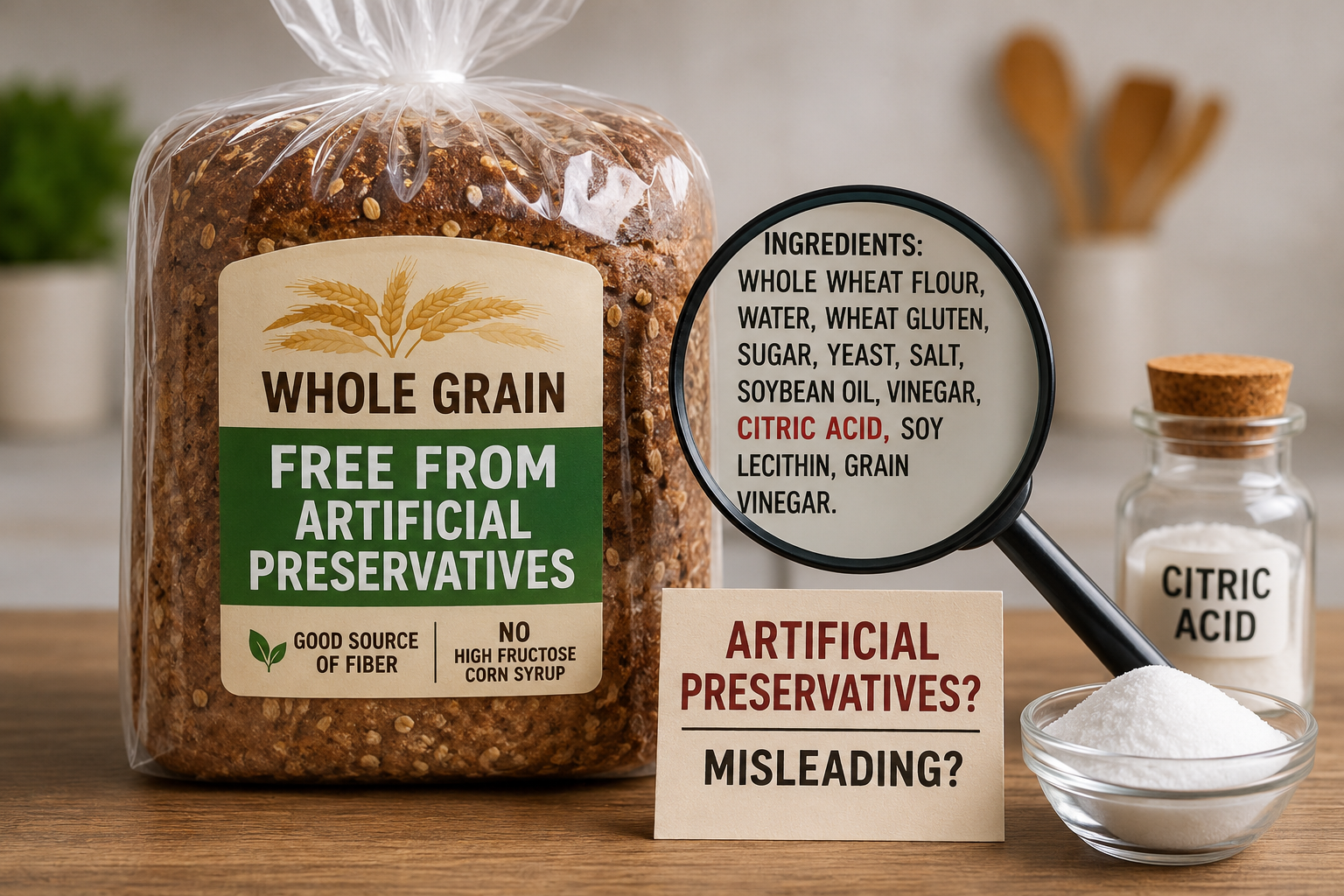
A proposed California class action alleges that Bimbo Bakeries USA falsely marketed several Oroweat bread products as being “Free From Artificial Preservatives” despite including manufactured citric acid, which the lawsuit contends functions as an artificial preservative. According to the complaint, consumers reasonably rely on “free from artificial preservatives” claims when selecting bread products and are willing to pay a premium for foods perceived as containing cleaner ingredients. The plaintiff alleges that she purchased the products in reliance on these representations and would not have bought them, or would have paid less, had she known the truth. The lawsuit seeks damages, restitution, injunctive relief, and corrective advertising on behalf of California consumers.
ALLEGATIONS:
According to the complaint, Bimbo Bakeries USA markets several Oroweat bread varieties—including Whole Grains 12 Grains and Seeds, Whole Grains Healthy Multigrain, and Whole Grains 100% Whole Wheat—with a prominent front-label statement that they are “Free From Artificial Preservatives.” The plaintiff alleges this representation is false because the products contain citric acid, which the lawsuit contends is an artificial preservative.
The complaint argues that citric acid qualifies as a chemical preservative under federal food labeling regulations because it helps prevent spoilage by inhibiting microbial growth and extending shelf life. It further alleges that the commercially produced citric acid used in modern food manufacturing is not naturally extracted from citrus fruits but instead is manufactured through an industrial fermentation process involving Aspergillus niger and additional chemical processing. Based on that manufacturing process, the lawsuit contends the ingredient is artificial rather than natural.
According to the complaint, federal agencies have previously identified citric acid as a preservative in various publications and warning letters involving other food manufacturers. The plaintiff cites these materials to support the allegation that labeling products containing manufactured citric acid as being free of artificial preservatives is misleading.
The lawsuit also alleges that independent laboratory testing of the challenged bread products detected measurable amounts of citric acid. According to the complaint, the testing showed levels sufficient to contribute to food preservation by increasing acidity and helping inhibit spoilage. The plaintiff argues that regardless of any additional functions citric acid may serve in the bread, its preservative function makes the “Free From Artificial Preservatives” claim inaccurate.
The complaint further alleges that consumer demand for foods marketed without artificial ingredients has increased substantially as part of the clean-label movement. According to the lawsuit, consumers associate “free from” claims with healthier, less processed foods and are often willing to pay more for products carrying those representations. The plaintiff contends Bimbo intentionally capitalized on these consumer preferences through its labeling.
The named plaintiff alleges she regularly purchased Oroweat Whole Grains 100% Whole Wheat bread, including a purchase made in May 2026 in San Diego, California. She claims she relied on the “Free From Artificial Preservatives” statement when making her purchasing decision and believed the representation accurately described the product. According to the complaint, she suffered economic injury because she paid a price premium for bread that allegedly did not conform to its advertised qualities.
The lawsuit asserts claims for breach of express warranty, violations of California’s Unfair Competition Law, False Advertising Law, and Consumers Legal Remedies Act, as well as unjust enrichment. The plaintiff seeks certification of a California class, monetary damages, restitution, disgorgement of profits, declaratory and injunctive relief, corrective advertising, attorneys’ fees, and other relief deemed appropriate by the court. As with all civil complaints, these allegations have not been proven, and Bimbo Bakeries USA will have the opportunity to respond in court.

Leave a Reply