
CASE NAME: Nguyen, et al. v. Beiersdorf Inc.
CASE NO.: 3:26-cv-03783-AGS-GC
JURISDICTION: United States District Court for the Southern District of California
FILED ON: June 29, 2026
CLASS DEFINITION: The proposed class includes all persons in California who, during the four years before the filing of the complaint through the date of class notice, purchased Eucerin Baby Eczema Relief Cream for personal or household use and not for resale or distribution.
SUMMARY:
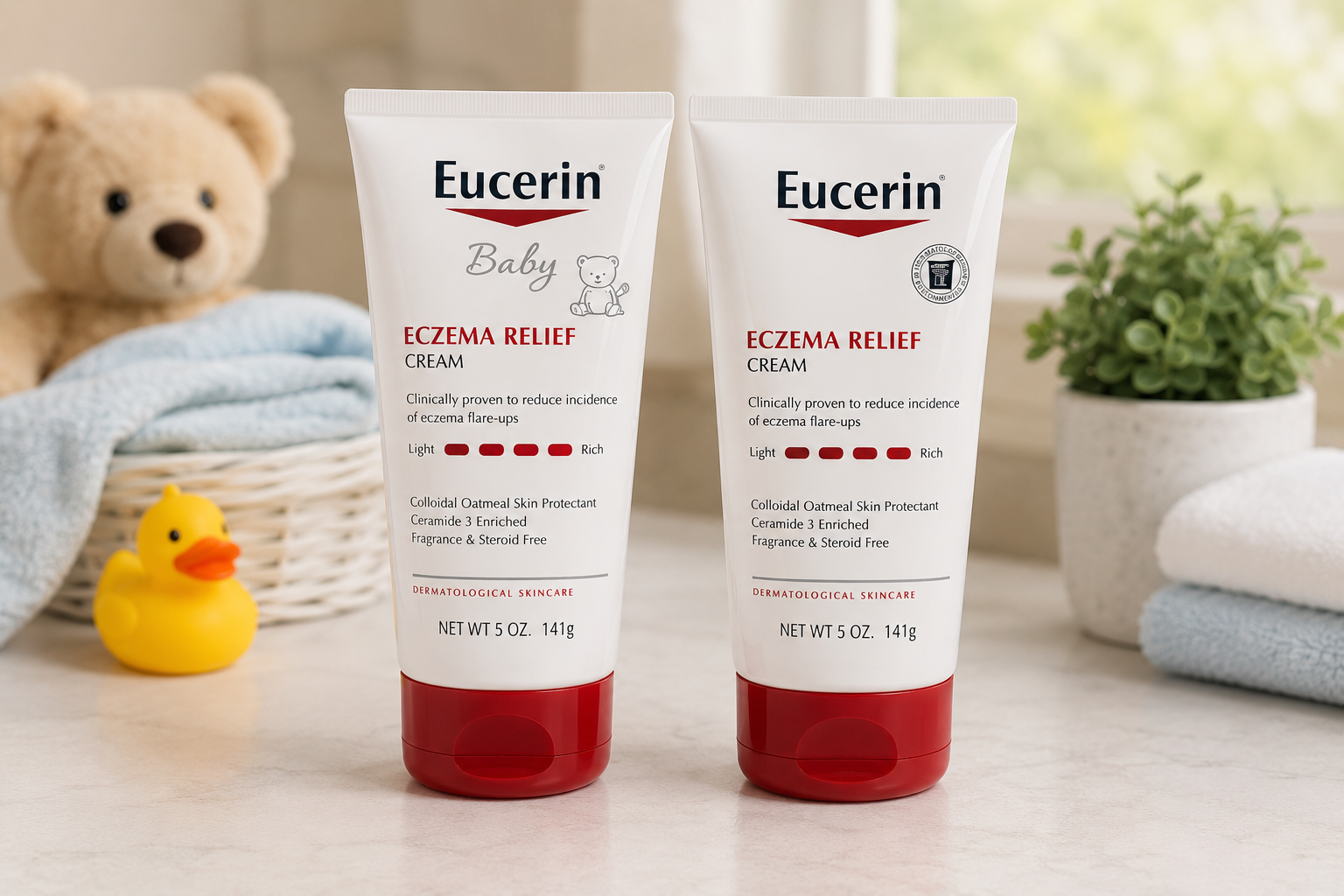
A proposed class action alleges that Beiersdorf Inc. deceptively marketed its Eucerin Baby Eczema Relief Cream as a product specially formulated for infants when, according to the complaint, it is materially identical to the company’s standard Eucerin Eczema Relief Cream. Plaintiffs contend that consumers reasonably believe products marketed specifically for babies contain unique formulations appropriate for infant skin and therefore pay a premium for those products. The lawsuit alleges that the only meaningful distinction between the two creams is the baby-focused branding and packaging, while the products share the same formulation, ingredients, directions for use, and package size. Plaintiffs seek damages, restitution, injunctive relief, and corrective advertising on behalf of California consumers.
ALLEGATIONS:
According to the complaint, Beiersdorf manufactures and sells two eczema relief creams: a standard Eucerin Eczema Relief Cream and a product marketed as Eucerin Baby Eczema Relief Cream. The lawsuit alleges that through the use of the word “Baby,” pediatrician-focused marketing, and baby-themed imagery, the company conveys that the Baby product is specially formulated and uniquely suited for infants.
The complaint alleges those representations are misleading because the Baby and Adult products are materially identical. According to the lawsuit, both products contain 1.0% colloidal oatmeal as the active ingredient, list the same inactive ingredients in the same order, provide identical directions for use (“Apply as needed”), and have no differences in ingredient concentrations, warnings, pH, manufacturing process, testing, or other material characteristics.
Plaintiffs further allege that Beiersdorf reinforces the impression that the Baby product is uniquely designed for infants through product packaging and website marketing that features baby imagery, infant skincare information, and a separate Baby Skin Care product category. Although the Baby product’s back label includes a statement that it contains the “Same trusted formula as Eucerin Eczema Relief Cream,” the lawsuit contends this disclosure is inconspicuous and insufficient to correct the allegedly misleading impression created by the front label and other marketing.
The complaint also alleges that consumers pay substantially more for the Baby product despite receiving the same formulation. As one example, plaintiffs cite Walmart pricing in which the standard five-ounce cream allegedly sold for approximately $9.78 while the Baby version sold for approximately $13.19, representing a premium of roughly 35%. According to the complaint, consumers would have no economic reason to pay more for an identical product absent the belief that it possesses baby-specific qualities.
The named plaintiffs allege they purchased Eucerin Baby Eczema Relief Cream from retailers including Target, Vons, and Walmart between 2023 and 2026 after relying on the Baby branding and related representations. They contend they believed the product was specially formulated for infants and would not have paid the higher price, or would have purchased the less expensive standard product, had they known the two formulations were materially identical.
The lawsuit asserts claims under California’s Unfair Competition Law, False Advertising Law, and Consumers Legal Remedies Act, along with claims for negligent misrepresentation and unjust enrichment. Plaintiffs seek certification of a California class, restitution, actual and punitive damages where permitted, corrective advertising, an injunction prohibiting the challenged marketing practices, attorneys’ fees, costs, and other equitable relief requested by the court.
Leave a Reply