Case Information
Case name: [Plaintiffs] versus Baby Brezza Enterprises LLC and The Betesh Group Holding Corporation
Case no.: 1:26-cv-07465
Jurisdiction: United States District Court Southern District of New York
Filed on:
Class Definition
The lawsuit seeks to represent a nationwide class of all U.S. consumers who purchased new Baby Brezza Formula Maker units, or selected them to be purchased on their behalf, for personal, family, or household use, subject to specified exclusions.
Summary
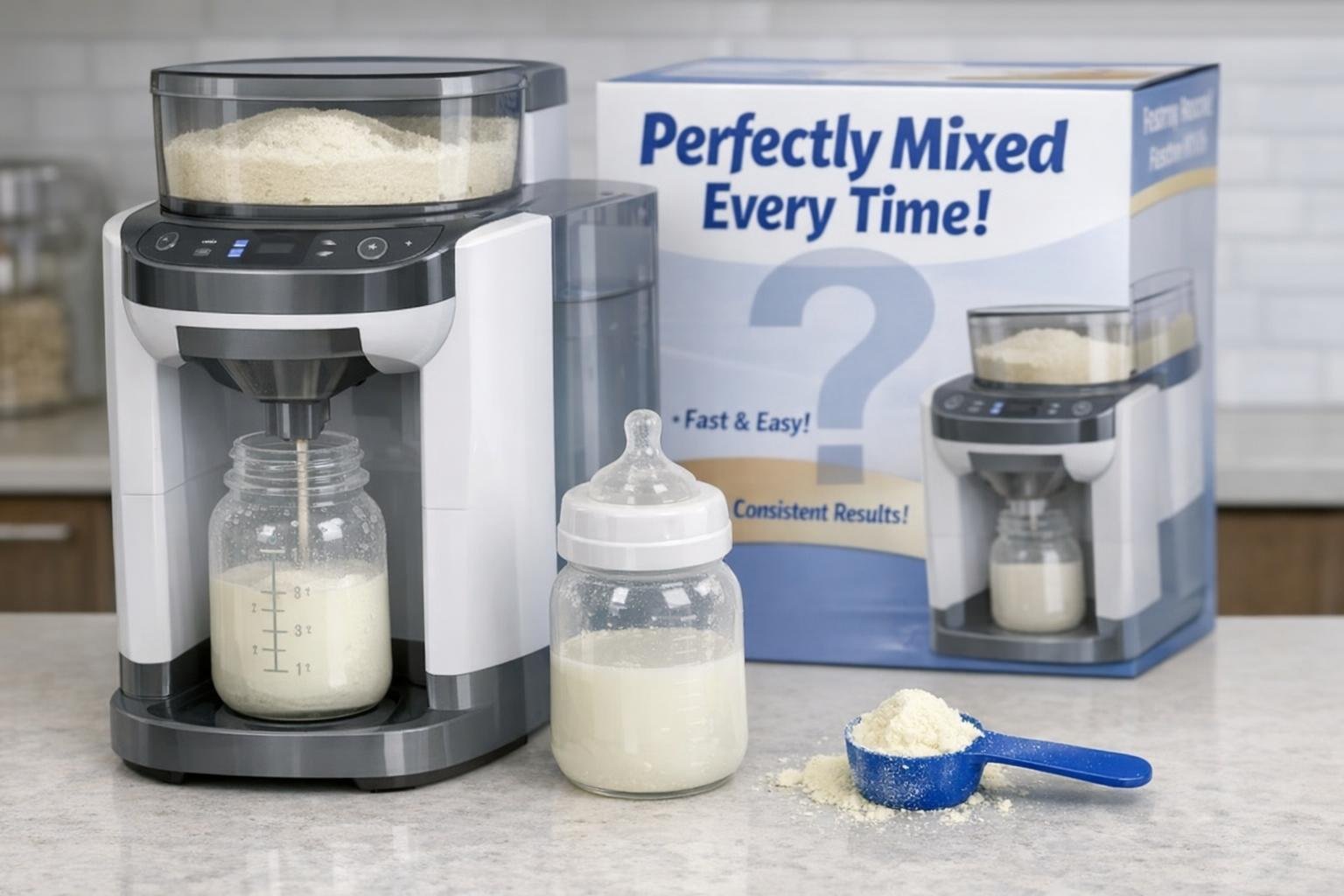
According to the complaint, Baby Brezza Enterprises LLC and The Betesh Group Holding Corporation are accused of misleading consumers about the accuracy, safety, and reliability of Baby Brezza “Formula Maker” machines used to prepare infant formula bottles. The lawsuit alleges that, despite marketing the devices as producing a “perfectly mixed formula bottle every time” and as more accurate than hand scooping, the machines often under‑dispense powdered formula even when correctly used, creating overly diluted bottles that can pose health risks to infants. Plaintiffs seek to recover economic losses for purchasers and registrants who allegedly paid a premium price for products that did not perform as advertised and were worth less than represented.
Allegations
The complaint describes the Baby Brezza Formula Maker as an automated device designed to simplify infant feeding by dispensing and mixing powdered formula and water at the push of a button. The machine contains separate compartments for water and powdered formula and is marketed as a convenient alternative to hand‑mixing bottles. According to the complaint, Baby Brezza promoted these machines extensively through its website, social media, and other marketing channels, repeatedly touting the devices as able to deliver a “perfectly mixed” bottle with “perfect consistency” every time. The lawsuit alleges that Defendants further represented that the machines were “completely safe,” more accurate than hand scooping, and the product of meticulous testing and calibration to ensure precise performance.
Plaintiffs contend that these assurances were false or misleading because the Formula Makers allegedly suffer from a defect that causes them to dispense inaccurate amounts of powdered formula even when users follow instructions, correctly configure settings, and properly clean the devices. According to the complaint, this defect frequently results in the machines dispensing too little powdered formula relative to the amount of water, producing bottles with improper formula‑to‑water ratios. The lawsuit asserts that such under‑dispensing can lead to overly diluted bottles and may pose health risks to infants, including persistent hunger and inadequate weight gain.
The complaint cites testing reported by Consumer Reports in 2024, which allegedly found that certain Baby Brezza Formula Maker models dispensed materially less powdered formula than required, in some instances by about 15 percent or more. According to the complaint, Consumer Reports concluded that the machines delivered inconsistent amounts of formula and fell short of the level of reliability parents reasonably expect for proper dosing of infant formula. Plaintiffs argue that these findings corroborate their allegations that the Formula Makers do not consistently produce properly mixed bottles, contrary to Defendants’ marketing claims.
The lawsuit further alleges that Baby Brezza and The Betesh Group had long‑standing knowledge of the dispensing problems. According to the complaint, this knowledge derived from internal testing, consumer complaints, reports to the Consumer Product Safety Commission, communications from pediatricians, media coverage, and prior lawsuits. Despite this alleged awareness, Plaintiffs claim that Defendants did not disclose the defect to consumers or initiate a recall. Instead, the complaint asserts that Defendants routinely attributed reported problems to user error, improper cleaning, or incorrect settings when dealing with regulators, the press, and consumers, while continuing to market the Formula Maker as precise, safe, and thoroughly tested.
Named plaintiffs from Illinois, New York, and New Jersey allegedly purchased or received various Formula Maker models for home use after relying on Baby Brezza’s representations about accuracy, safety, and convenience. According to the complaint, these consumers only later discovered that their machines were under‑dispensing formula. Some allegedly noticed signs in their infants such as persistent hunger, inadequate weight gain, or hospitalization, while others reportedly became aware of discrepancies after comparing formula bottles made by hand to those produced by the machines. The plaintiffs assert that, had they known about the claimed defect and the risk of inaccurate dosing, they would not have bought the Formula Makers or selected them on baby registries.
The lawsuit seeks to certify a nationwide class of U.S. consumers who purchased or registered for Baby Brezza Formula Maker units for personal, family, or household use, excluding Defendants, their affiliates, the presiding judge and family members, and other specifically defined groups. Plaintiffs allege that class treatment is appropriate because hundreds of thousands of units have been sold and because common questions—such as whether the machines are defective, whether Defendants knew of the defect, whether their marketing was misleading, and how to measure the resulting economic loss—predominate over individual issues.
Leave a Reply