Case Information
CASE NAME: Dawn Cada v. Amazon.com, Inc.
CASE NO.: 26-cv-02704
JURISDICTION: Western District of Washington
FILED ON: July 31, 20206
Class Definition
The lawsuit seeks to represent a nationwide class of all persons who purchased specified Orgain-branded plant-based protein powders (“Contaminated Products”) from Amazon.com for household use during the applicable limitations period.
Summary
According to the complaint, Amazon deceptively markets and sells certain Orgain-branded plant-based protein powders that contain detectable levels of toxic heavy metals, including lead, cadmium, and arsenic, while promoting them as clean, safe, and high-quality nutrition products. The lawsuit claims Amazon knew or should have known about the risk of heavy metal contamination in these products but failed to test for, monitor, or disclose this risk, and instead advertised the products with messaging that allegedly implies purity and superior quality.
The complaint asserts that reasonable consumers cannot detect heavy metals on their own and relied on Amazon’s representations and omissions, causing them to pay a price premium for products they would have avoided or purchased at lower prices if the alleged contamination and risks had been disclosed. The action seeks damages, injunctive relief, and changes to Amazon’s marketing and disclosure practices.
Allegations
Products at Issue
The complaint centers on four Orgain-branded plant-based protein powders sold on Amazon’s online marketplace:
- Orgain Organic Vegan Protein + 50 Superfoods Powder in Creamy Chocolate Fudge
- Orgain Organic Vegan Protein + 50 Superfoods Powder in Vanilla Bean
- Orgain Organic Vegan Protein Powder in Creamy Chocolate Fudge
- Orgain Organic Vegan Protein Powder in Vanilla Bean
These products are allegedly sold directly by Amazon as a first‑party retailer, with Amazon controlling the product detail pages, fulfillment, and customer interactions.
Marketing and Packaging Claims
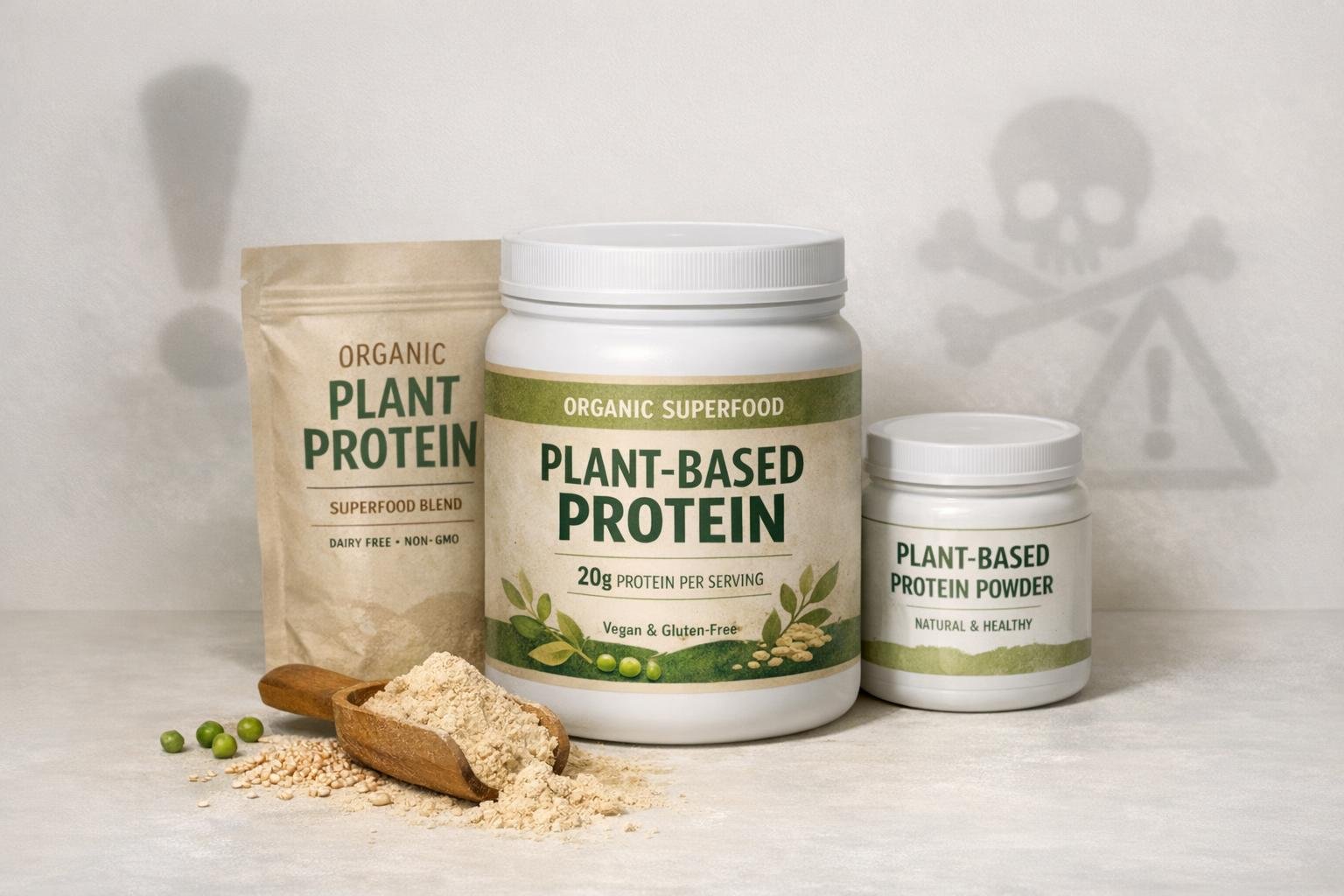
According to the lawsuit, Amazon’s product pages and the products’ packaging convey that these protein powders are “Cleaner Ingredients,” held to “Higher Standards,” and are “USDA Organic,” “Non-GMO,” “Vegan,” “Gluten Free,” and “Certified Plant-Based.” The complaint alleges that Amazon further touts benefits such as “Feel Good Energy,” “Muscle Support & Recovery,” and “Good, Clean Nutrition,” along with branding phrases like “The Power of Clean” and “what’s on the inside that matters most.”
Taken together, these statements and images allegedly create an overall impression that the products are pure, safe, and free from harmful contaminants, while omitting any disclosure that they contain detectable levels of heavy metals.
Testing and Third-Party Investigations
The lawsuit asserts that independent testing has identified significant levels of heavy metals in the Contaminated Products. It cites third‑party investigations, including findings from Clean Label Project that a high percentage of organic and plant‑based protein powders exceed California Proposition 65 limits for lead, and Consumer Reports testing that allegedly identified elevated lead levels in Orgain Organic Plant‑Based Protein Powder Vanilla Bean.
In addition, the complaint alleges that testing commissioned by plaintiff’s counsel confirmed the presence of lead, cadmium, and arsenic in each of the four Contaminated Products, with reported levels up to:
- Lead: 37.1 parts per billion
- Cadmium: 87.9 parts per billion
- Arsenic: 18.8 parts per billion
Scientific and Regulatory Background
The complaint summarizes scientific and regulatory literature about arsenic, cadmium, and lead, alleging that all three are toxic, bioaccumulative, and linked to a wide range of adverse health effects, including various cancers, organ damage, cardiovascular disease, neurological and developmental harms, and reproductive issues. The lawsuit contends that there is no known safe level of exposure to these metals, especially for vulnerable groups such as children and pregnant people, and notes that government agencies have imposed strict limits on these contaminants in drinking water and certain foods.
Amazon’s Knowledge and Conduct
Based on this information, the lawsuit claims that Amazon knew or should have known about the risk of heavy metals in plant-based and organic protein powders generally, and in the Orgain products specifically. The complaint points to public reports from Clean Label Project and Consumer Reports, as well as broader industry and regulatory scrutiny of heavy metals in foods, as sources that allegedly put Amazon on notice.
Despite this, Amazon is accused of failing to require adequate testing from manufacturers, failing to test the Contaminated Products itself, and failing to disclose heavy metal content or associated risks to consumers.
Consumer Reliance and Alleged Harm
The complaint alleges that reasonable consumers cannot test for heavy metals in food products and must rely on retailers and product labeling for truthful, complete information. By omitting any mention of heavy metals while emphasizing “clean” and superior qualities, Amazon’s marketing and omissions allegedly misled consumers into believing the products were free from harmful contaminants.
As a result, the lawsuit claims that consumers paid a price premium for the Contaminated Products or purchased them when they otherwise would not have done so.
Causes of Action and Remedies Sought
The complaint asserts two primary causes of action under Washington law:
- Violation of the Washington Consumer Protection Act, based on alleged unfair or deceptive acts or practices in trade or commerce that affected the public interest and caused economic injury.
- Fraudulent concealment, alleging that Amazon had a duty to disclose the presence or material risk of heavy metals, knowingly withheld this information, and intended consumers to rely on the resulting misleading impression.
The plaintiff seeks class certification, damages including refund of the alleged price premium, treble damages under the Washington Consumer Protection Act, punitive damages on the fraudulent concealment claim, attorneys’ fees and costs, and injunctive relief requiring disclosure of heavy metal content and changes to Amazon’s sales and marketing practices for the Contaminated Products.

Leave a Reply