
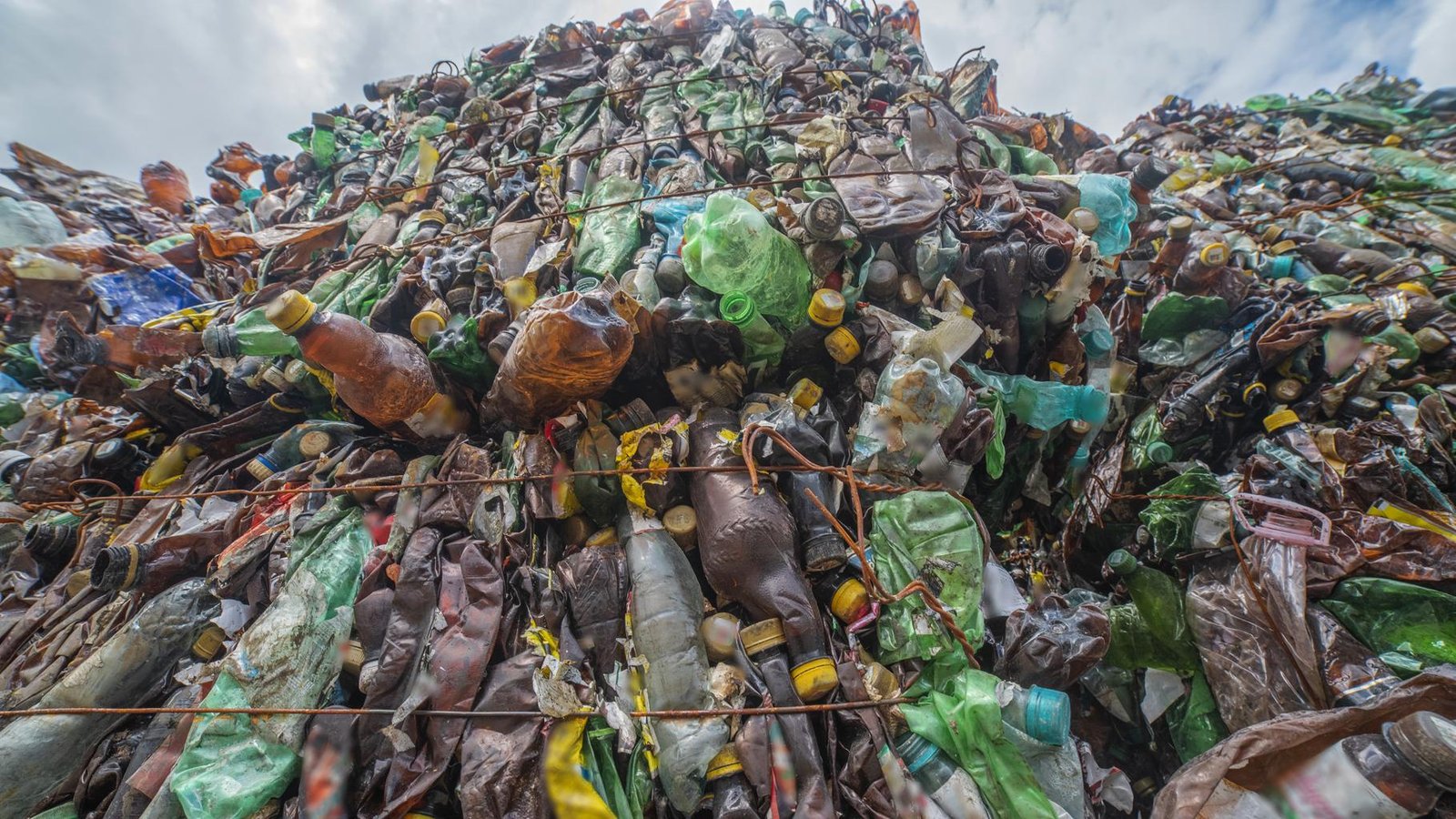
Beyond Plastics issued a report about true plastic recycling rates in the U.S. A worthwhile read along with their more recent reports, whitepapers, fact sheets, and articles which detail the pervasiveness of plastics and its correlative effects in society. A link to the full study can be found HERE
For decades, Americans have been encouraged to recycle plastic as a solution to plastic pollution. Recycling symbols appear on packaging, public awareness campaigns emphasize responsible disposal, and consumers are often told that recycling plastic will keep waste out of landfills and oceans. But a detailed report analyzing plastic waste data suggests that the reality is far less optimistic. According to the study “The Real Truth About the U.S. Plastics Recycling Rate: 2021 Facts and Figures,” the actual recycling rate for plastic in the United States is dramatically lower than most people believe.
A recycling rate far lower than expected
The most recent official estimate published by the U.S. Environmental Protection Agency reported that about 8.7% of plastic waste was recycled in 2018. However, the report notes that the EPA has not released updated national recycling figures since then. Researchers analyzing more recent industry and waste data estimate that the true plastic recycling rate in the United States in 2021 was only about 5–6%.
This estimate reflects the total amount of plastic waste generated compared with the amount actually converted into new materials. The recycling rate is calculated by dividing the weight of recycled plastic by the total amount of plastic waste generated each year.
The findings suggest that the majority of plastic waste in the United States is not recycled at all.
Where plastic waste actually goes
The report estimates that in 2021 the United States generated around 40 million tons of plastic waste, yet only about 2.4 million tons were recycled, producing the estimated 6% recycling rate.
The rest of the plastic waste follows very different paths:
- Landfills: roughly 80% of plastic waste
- Incineration: about 14%
- Exported for recycling overseas: roughly 1–2%
Historically, large amounts of U.S. plastic waste were exported to countries such as China for processing. But import restrictions introduced by many countries have dramatically reduced those exports. As a result, more plastic waste now remains in the United States, often ending up in landfills or incinerators instead of recycling facilities.
Recycling losses during processing
Even when plastic is collected for recycling, a significant portion of the material is lost during the recycling process itself. Contamination, sorting errors, and technical limitations mean that much of the plastic collected cannot actually be converted into new plastic products.
The report notes that 30–36% of collected PET plastic bottles are discarded during recycling due to contamination and processing losses.
In other words, the amount of plastic that ultimately becomes usable recycled material is far smaller than the amount placed in recycling bins.
Plastic waste generation is increasing
Another major challenge highlighted in the report is the rapid growth in plastic consumption. According to EPA data cited in the study, plastic waste generation in the United States has increased from about 60 pounds per person per year in 1980 to roughly 218 pounds per person per year by 2018.
This dramatic increase reflects the widespread adoption of single-use plastic packaging and disposable products. As plastic has replaced materials such as glass, metal, and paper in many applications, the total amount of plastic waste entering the system has grown substantially.
The report contrasts this trend with other materials. Paper recycling, for example, has become significantly more successful over time. The U.S. paper recycling rate increased from about 21% in 1980 to more than 68% by 2018, demonstrating that recycling can work effectively for certain materials.
Structural challenges with plastic recycling
Several structural factors make plastic recycling particularly difficult.
First, plastics are made from many different chemical formulations that must be carefully sorted before processing. Mixed plastics often cannot be recycled together, and contamination with food residue or other materials can make entire batches unusable.
Second, recycled plastic often costs more to produce than new plastic made from fossil fuels. As long as virgin plastic remains relatively cheap, there is limited economic incentive for manufacturers to use recycled material.
Third, some types of plastic packaging cannot be safely recycled into food-contact materials due to potential contamination risks.
These factors make plastic recycling far more complex than recycling materials such as aluminum or paper.
Rethinking the solution to plastic waste
The report argues that the low recycling rate should prompt a broader reconsideration of how society addresses plastic waste. If recycling alone cannot solve the problem, additional strategies may be necessary.
Potential solutions discussed include reducing the production of single-use plastics, expanding refill and reuse systems, and shifting to packaging materials that are more easily recyclable.
A wake-up call for plastic policy
The study’s conclusion is clear: the current U.S. plastic recycling system is capturing only a small fraction of the plastic waste generated each year. With an estimated recycling rate of around 5–6%, plastic recycling alone is unlikely to significantly reduce plastic pollution without broader changes in production, packaging, and consumption.
For consumers, policymakers, and industry leaders, the findings highlight the need for a more realistic understanding of how plastic waste is managed—and what it will take to address the growing environmental challenge.

Leave a Reply