A new study published in the International Journal of Molecular Sciences raises serious questions about the authenticity and quality of many chaga dietary supplements sold in North America. Researchers from Nammex and Purity-IQ analyzed a wide range of products marketed as chaga and found that many appeared to contain fermented grain material rather than authentic wildcrafted chaga canker.
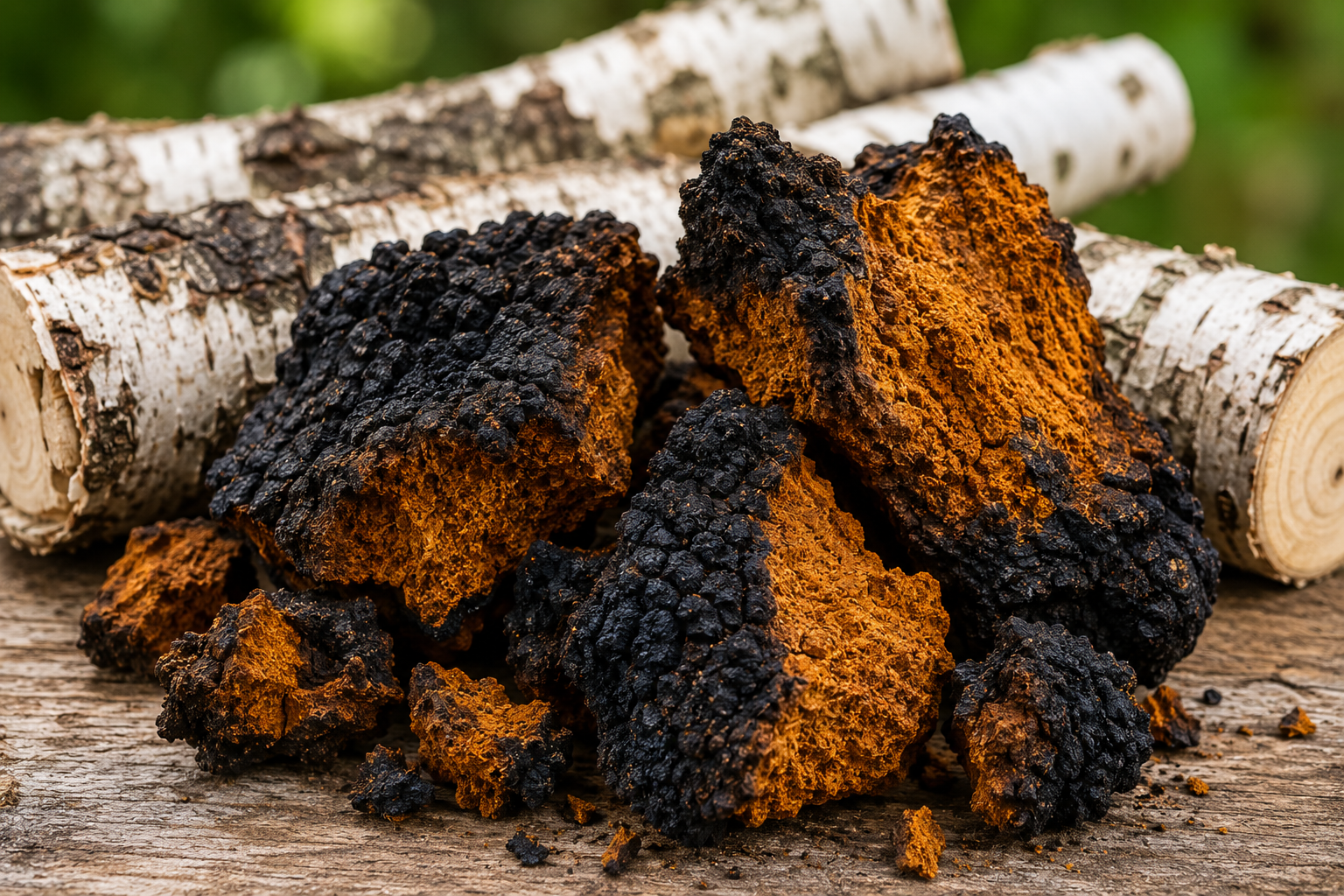
Chaga, scientifically known as Inonotus obliquus, is a fungus that grows on birch trees in cold northern climates. It has become increasingly popular in the wellness and supplement industry because of its reported antioxidant, anti-inflammatory, immune-supporting, and potential anticancer properties. Authentic chaga forms as a black, cracked growth on birch trees and contains unique bioactive compounds including triterpenoids, melanin, polysaccharides, and phenolic compounds.
The researchers evaluated authentic wildcrafted chaga samples, pure fungal mycelium, grain substrates, and commercially available supplements using a broad range of advanced analytical techniques. These included chromatography, mass spectrometry, nuclear magnetic resonance spectroscopy, melanin analysis, glucan testing, and starch detection methods.
One of the most important findings involved the widespread presence of starch-rich fermented grain material in products marketed as chaga. Authentic chaga naturally contains very little starch. However, many commercial products tested positive for high starch content when exposed to Lugol’s iodine solution, which causes starch to turn dark blue or purple. The authentic chaga samples did not show this reaction.
The study also measured alpha-glucans and beta-glucans, two types of polysaccharides commonly used in mushroom quality testing. Authentic chaga contained relatively low alpha-glucan levels and moderate beta-glucan levels. By contrast, fermented grain products showed extremely high alpha-glucan concentrations, consistent with grain-based ingredients such as rice, oats, and sorghum.
Researchers found additional major differences in melanin content. Authentic chaga is naturally rich in melanin, the dark pigment responsible for its black outer crust and antioxidant properties. Using UV-visible spectroscopy and infrared analysis, the researchers found that genuine chaga samples showed strong melanin signals, while many commercial fermented grain products contained little or no detectable melanin.
Advanced chromatography and mass spectrometry testing further revealed striking chemical differences between authentic chaga and fermented grain products. Genuine chaga contained unique triterpenoids such as inotodiol, trametenolic acid, lanosterol, and 3β-hydroxylanosta-8,24-dien-21-al. These compounds were consistently detected in wildcrafted chaga samples and authentic chaga extracts.
However, the fermented grain products lacked these signature compounds almost entirely. Instead, they contained high levels of fatty acids associated with cereal grains. Nuclear magnetic resonance testing also showed that the fermented grain products closely resembled their original grain substrates chemically, suggesting that fungal growth during fermentation did not substantially transform the grain into a product chemically similar to authentic chaga.
The researchers emphasized that this distinction matters because consumers may believe they are purchasing authentic chaga with its characteristic compounds and traditional properties, when in reality they may be buying mostly grain-based material colonized by fungal mycelium.
The study authors noted that no cultivated chaga currently exists commercially because true chaga canker only develops naturally on living birch trees over many years. As a result, many manufacturers instead grow fungal mycelium on grains and market the resulting material as chaga. According to the study, these products differ dramatically in composition from authentic wildcrafted chaga.
The researchers argue that improved quality control standards and better labeling practices are urgently needed in the mushroom supplement industry. They recommend using multiple analytical methods together to authenticate products and prevent misleading labeling. The study also highlights the importance of transparency regarding whether a supplement contains true chaga canker, pure mycelium, or fermented grain material.
As demand for functional mushroom supplements continues to rise, the authors believe stronger testing standards will be critical for protecting consumers and maintaining trust in the industry.
Original Source: https://doi.org/10.3390/ijms26072970


Leave a Reply