CASE NAME: Cearra Free v. Go Raw LLC d/b/a Steve’s Real Food
CASE NO.: 3:26-cv-03704-JO-JLB
JURISDICTION: United States District Court for the Southern District of California
FILED ON: June 24, 2026
CLASS DEFINITION: The proposed class includes all persons in the United States who purchased any of the eight FDA-tested lots of Quest Cat Food products found to contain thiamine levels below the Association of American Feed Control Officials (AAFCO) minimum nutritional standard for personal, household, or consumer use, along with a California subclass and a veterinary harm subclass for consumers whose cats allegedly suffered illness, injury, or death after consuming the products.
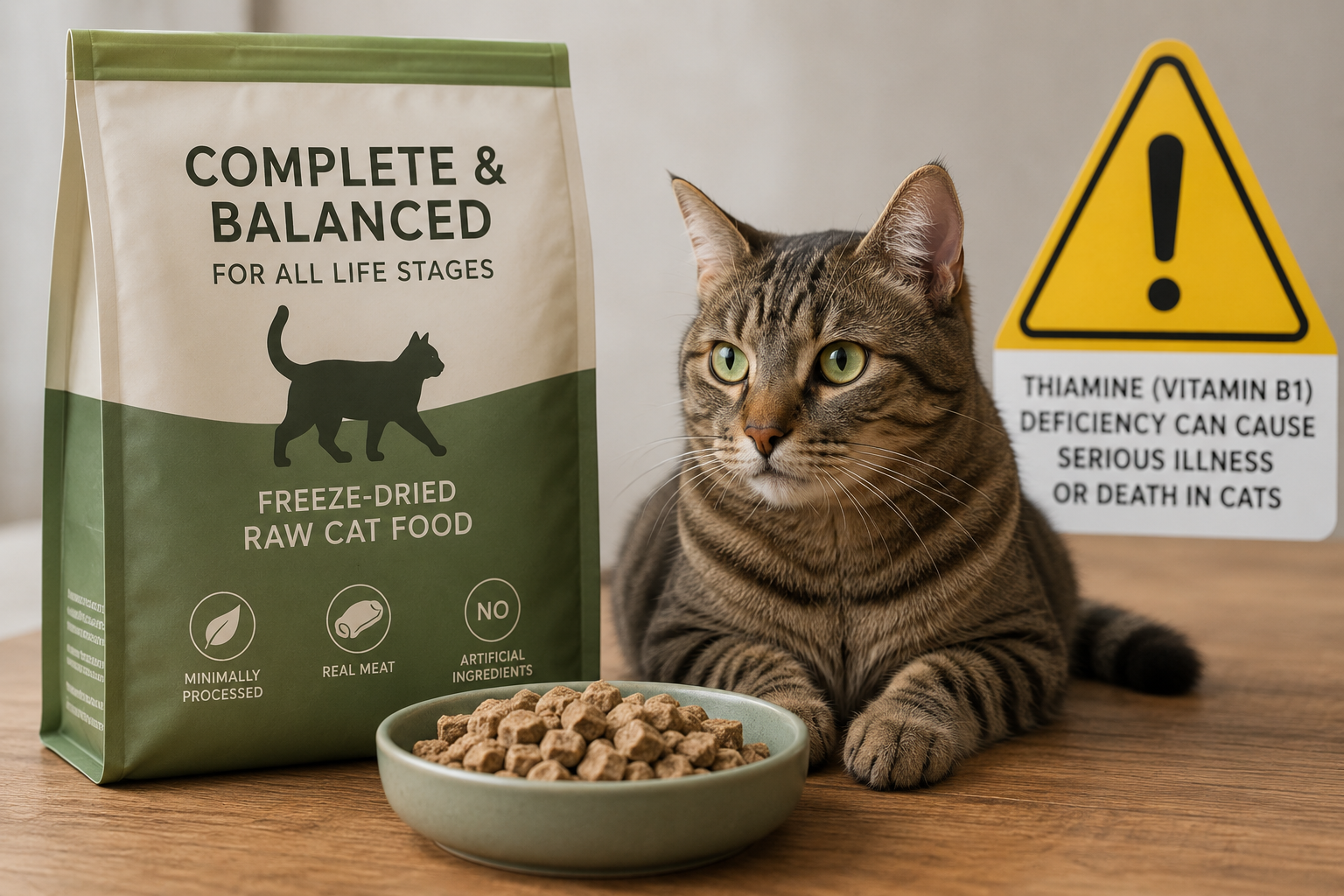
SUMMARY: According to the complaint, Go Raw LLC, doing business as Steve’s Real Food, falsely marketed its Quest brand cat food as “complete and balanced” and formulated to meet AAFCO nutritional standards for all life stages despite FDA laboratory testing allegedly showing that eight product lots contained little or no thiamine (Vitamin B1), an essential nutrient for feline health. The lawsuit alleges consumers paid premium prices based on these nutritional representations and that the products placed cats at risk of severe neurological injury or death. The complaint further alleges the FDA recommended a recall of all eight affected lots, but Defendant formally recalled only three and failed to adequately notify consumers or remove all deficient products from the marketplace. Plaintiff seeks to represent a nationwide class of purchasers seeking damages, restitution, and injunctive relief.
ALLEGATIONS: According to the complaint, Steve’s Real Food manufactures and sells Quest raw cat food in both freeze-dried and frozen varieties, promoting the products as premium diets that satisfy AAFCO nutritional requirements for all life stages. The lawsuit alleges these representations allowed Defendant to charge substantially higher prices than conventional cat food, with consumers paying approximately $100 to $115 for a four-to-six-week supply because they believed the products provided complete nutritional support for their cats.
The complaint alleges thiamine is an essential vitamin that cats cannot produce on their own and must obtain through their diet. According to the lawsuit, inadequate thiamine intake can result in vomiting, weight loss, loss of appetite, neurological impairment, seizures, and death. The complaint states that FDA investigators became aware of the issue after a veterinary neurologist reported a cat suffering from severe thiamine deficiency after consuming Quest Cat Food. Following additional reports of illness and death, the FDA tested eight production lots and allegedly found that every lot contained thiamine levels well below the AAFCO minimum requirement of 5.6 mg/kg. Two lots allegedly contained no detectable thiamine, while the remaining products contained only a small fraction of the required amount.
According to the complaint, despite the FDA’s recommendation that all eight affected lots be recalled, Defendant initially recalled only one freeze-dried chicken product before later expanding the recall to include two frozen chicken products. The lawsuit alleges Defendant announced a voluntary stop-sale of all Quest Cat Food products but failed to demonstrate that the remaining deficient lots had actually been removed from stores or that consumers had been adequately informed about the potential health risks. The complaint further alleges that months later Defendant expanded its recall to include another lot that was not among the FDA-tested products while still failing to formally recall five of the eight deficient lots identified by the agency.
Plaintiff Cearra Free alleges she regularly purchased Quest White Fish and Quest Pork freeze-dried cat food as the exclusive diet for her cat, Whimsey, relying on Defendant’s nutritional claims. According to the complaint, Whimsey developed progressive neurological symptoms in January 2026, including vomiting, lethargy, loss of appetite, imbalance, involuntary movements, and seizure-like activity. The lawsuit alleges Whimsey required emergency hospitalization, where veterinarians diagnosed acute thiamine deficiency. Plaintiff further alleges laboratory testing confirmed the absence of thiamine in both her cat’s blood and the Quest Cat Food being consumed.
The complaint states Plaintiff incurred thousands of dollars in veterinary expenses, along with additional costs for nutritional supplements, replacement food, monitoring equipment, and ongoing care. Although Whimsey survived, Plaintiff alleges the cat continues to experience neurological symptoms requiring continued monitoring and supplementation.
Based on these allegations, the lawsuit asserts claims including strict products liability, failure to warn, breach of express and implied warranties, negligent misrepresentation, fraud, unjust enrichment, false advertising, unfair competition, and violations of California consumer protection statutes. Plaintiff seeks certification of a nationwide class action, restitution, compensatory and punitive damages, disgorgement of profits, attorneys’ fees, and injunctive relief requiring Defendant to accurately label its products and provide adequate notice to consumers regarding affected Quest Cat Food products.

Leave a Reply