CASE NAME: Genesia Ting v. The Only Bean, LLC
CASE NO.: 3:26-cv-06732
JURISDICTION: United States District Court for the Northern District of California
FILED ON: July 1, 2026
CLASS DEFINITION: The proposed class includes all persons in the United States who purchased The Only Bean Crunchy Dry Roasted Edamame products during the applicable limitations period.
SUMMARY:
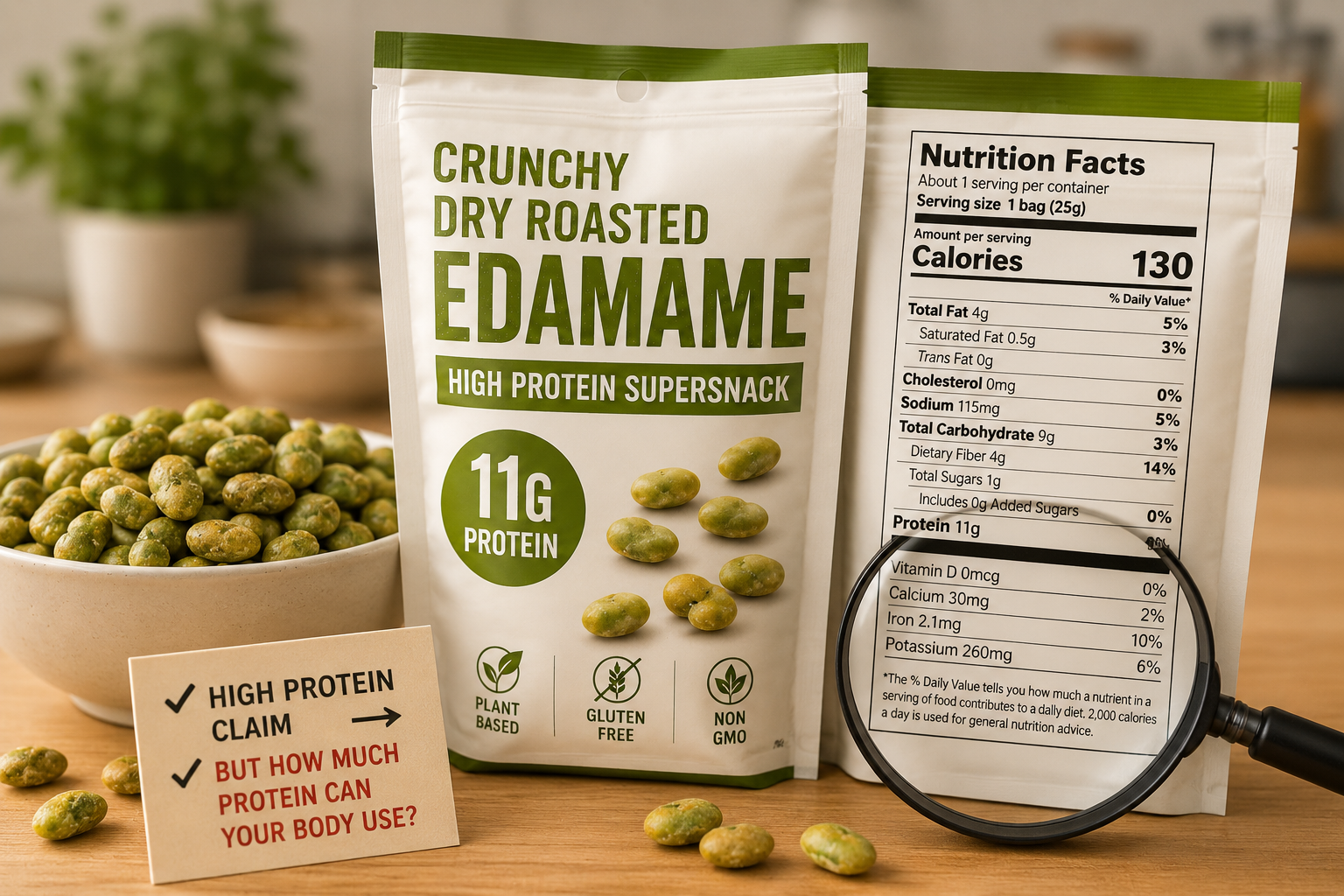
The lawsuit alleges that The Only Bean, LLC falsely markets its Crunchy Dry Roasted Edamame snacks as a “High Protein Supersnack” containing “11 Grams Protein” while failing to disclose that consumers allegedly receive a materially lower amount of digestible, usable protein. According to the complaint, federal regulations require manufacturers making front-of-package protein claims to disclose the corrected protein amount as a Percent Daily Value (%DV) using the Protein Digestibility Corrected Amino Acid Score (PDCAAS) method. The plaintiff contends that The Only Bean omitted this required disclosure, leading consumers to believe the products provide more nutritionally available protein than they actually do.
ALLEGATIONS:
According to the complaint, The Only Bean manufactures, markets, and sells Crunchy Dry Roasted Edamame snacks throughout the United States, including California. The products are promoted on their packaging and online storefronts as containing “11 Grams Protein” and as a “High Protein Supersnack,” with additional references to being a source of complete plant-based protein.
The plaintiff alleges these statements are misleading because plant-based proteins are not always fully digestible by the human body. Under FDA regulations, when manufacturers make protein content claims outside the Nutrition Facts Panel, they are allegedly required to calculate the corrected amount of usable protein using the PDCAAS method and disclose the corresponding Percent Daily Value in the Nutrition Facts Panel. The complaint contends that The Only Bean failed to provide this required disclosure.
According to the lawsuit, scientific literature indicates soy protein, the sole protein source in the products, has a PDCAAS of approximately 0.856. Based on that calculation, the complaint alleges that a product advertised as containing 11 grams of protein provides only about 9.4 grams of digestible protein. The plaintiff claims consumers are unable to determine this difference because the required corrected protein disclosure is absent from the product’s Nutrition Facts Panel.
The named plaintiff, a California resident, alleges she purchased a variety pack of the products from Amazon after relying on the front-label protein claims and believing the snacks would provide the advertised amount of usable protein. She claims she regularly reviews Nutrition Facts Panels when purchasing protein products and would not have purchased the products, or would have paid less, had the corrected protein information been disclosed as allegedly required.
The complaint further alleges that consumers seeking high-protein foods pay a premium for products marketed with protein claims and that The Only Bean benefited financially by promoting the products without providing the required disclosures. The lawsuit asserts that consumers reasonably rely on front-of-package nutrition claims and generally lack the specialized scientific knowledge needed to independently evaluate protein digestibility or calculate corrected protein values.
The proposed nationwide class action asserts claims under California’s False Advertising Law, Consumers Legal Remedies Act, Unfair Competition Law, unjust enrichment, and breach of express warranty. The plaintiff seeks class certification, injunctive relief requiring corrective labeling, restitution, damages, attorneys’ fees, costs, and other relief deemed appropriate by the court. The allegations remain unproven, and the court has not determined whether The Only Bean committed any wrongdoing.

Leave a Reply