Turmeric Under Threat: Global Study Reveals Widespread Adulteration Risks
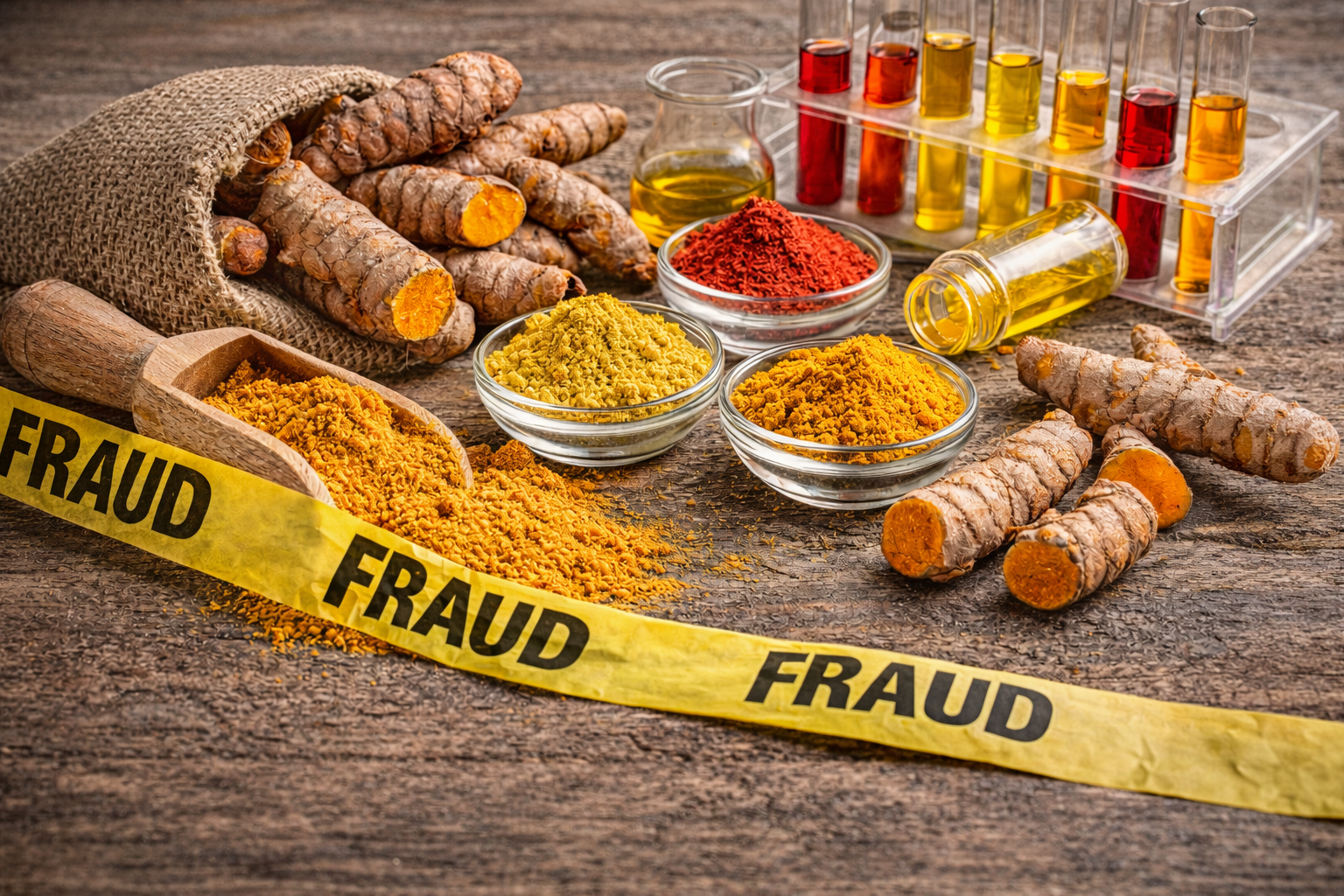
A comprehensive review published in Pharmaceutical Biology sheds light on a troubling global issue: the widespread adulteration of turmeric products. Drawing on data from six continents and 48 scientific publications, the study provides one of the most detailed looks to date at how often turmeric—both as a spice and dietary supplement—is contaminated or altered before reaching consumers.
Turmeric, derived from the plant Curcuma longa, has been used for thousands of years in cooking and traditional medicine. Its active compounds, known as curcuminoids, are valued for their potential health benefits. However, the study reveals that turmeric’s popularity has also made it a frequent target for fraud. According to the authors, approximately 20% of turmeric samples sold as spice and 22% of those sold as dietary supplements were found to be adulterated.
The review identifies several common methods of adulteration. One of the most concerning is the addition of synthetic dyes such as Sudan dyes, Metanil Yellow, and Sunset Yellow to enhance the color of turmeric powder. Even more alarming is the use of lead chromate, a toxic compound that not only intensifies the bright yellow hue but also poses serious health risks, including neurological damage and cancer. The diagram on page 3 of the study illustrates the complex turmeric supply chain, showing how adulteration can occur at multiple stages—from farming and processing to distribution and retail.
In addition to dyes, the study highlights the use of fillers like starches (e.g., corn, cassava, or wheat) to increase bulk and reduce costs. These substances are often undeclared, misleading consumers about product purity. In dietary supplements, adulteration frequently involves the addition of synthetic curcumin instead of naturally derived compounds. While synthetic curcumin may not always be harmful, it undermines product authenticity and can mislead consumers seeking natural remedies.
Geographically, the study found notable differences in adulteration rates. Asia, particularly India and Bangladesh, showed higher levels of contamination, especially with lead chromate. For example, the chart on page 8 indicates adulteration rates exceeding 20% in some Asian markets. Europe and North America also showed signs of adulteration, though generally at slightly lower rates. However, the authors caution that limited data from regions like Africa and South America make it difficult to draw firm conclusions about those areas.
The review also examines the methods used to detect adulteration. Techniques such as high-performance liquid chromatography (HPLC), mass spectrometry, and DNA-based testing are commonly employed. However, the pie chart on page 14 reveals that not all studies use fully validated methods, which can lead to inconsistent results. This lack of standardization makes it harder to accurately assess the true extent of the problem.
Another key finding is that adulteration practices vary depending on how turmeric is marketed. Products sold as raw spice are more likely to contain dyes and fillers, while dietary supplements are more often adulterated with synthetic curcumin. This distinction is important for consumers, as it highlights different risks depending on how turmeric is used.
The authors emphasize that despite increased awareness, turmeric adulteration remains a persistent global issue. They call for stronger regulatory oversight, improved testing standards, and greater transparency in the supply chain. Encouragingly, the study notes that in some regions, increased testing and stricter enforcement have already led to reductions in certain types of adulteration, such as lead contamination.
Ultimately, this review serves as a wake-up call for both consumers and regulators. While turmeric continues to be a valuable and widely used product, ensuring its authenticity and safety requires coordinated efforts across the global marketplace.
A copy of the original article is below.


Leave a Reply