CASE NAME: Grimbaldeston v. Saraya USA, Inc.
CASE NO.: 2:26-cv-00270-TC
JURISDICTION: United States District Court for the Northern District of California, San Francisco Division
FILED ON: July 3, 2025
CLASS DEFINITION: All California consumers who purchased Lakanto monk fruit sweetener products within four years prior to the filing of the complaint.
SUMMARY:
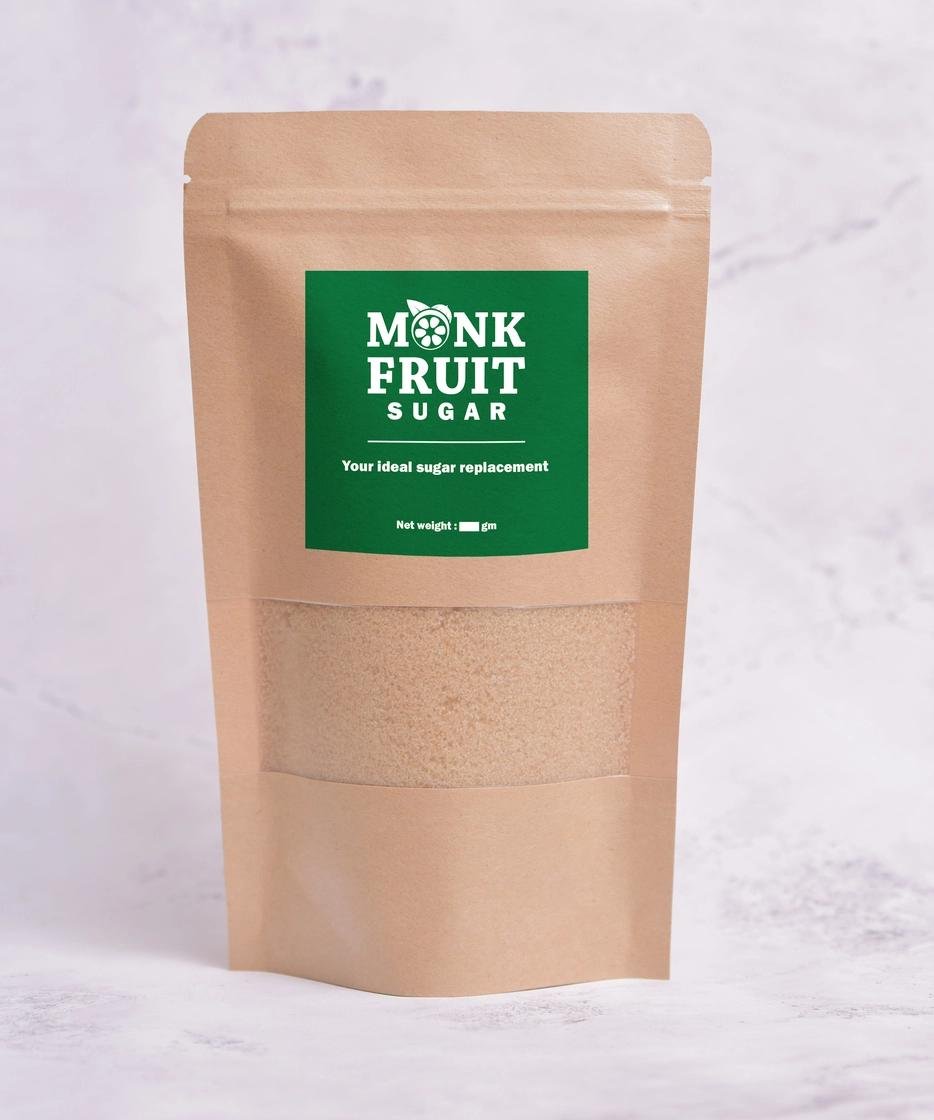
According to the complaint, Saraya USA, Inc., which does business as Lakanto, is accused of misleading consumers by marketing its sweetener products as “monk fruit sweetener” despite containing only a minimal amount of monk fruit. The lawsuit alleges that the products are composed entirely of erythritol, a sugar alcohol, while the labeling and branding emphasize monk fruit as the primary ingredient. The plaintiff claims consumers were deceived into paying a premium for what they believed to be a natural, monk fruit-based sweetener.
ALLEGATIONS:
The lawsuit alleges that Saraya USA markets its Lakanto sweetener products with prominent front-label statements such as “MONKFRUIT SWEETENER,” accompanied by imagery and messaging emphasizing monk fruit’s historical and health-related significance. As shown on product packaging depicted in the complaint (pages 4–5), the labeling highlights monk fruit as a rare, natural “superfood” associated with wellness and longevity.
According to the complaint, these representations are misleading because the products contain almost no monk fruit. Independent laboratory testing commissioned by plaintiff’s counsel allegedly found that the products are composed of approximately 98.85% erythritol and only 1.15% monk fruit extract. The lawsuit asserts that this composition is consistent across different varieties of the product, including “classic” and “golden” versions.
The complaint further alleges that erythritol is a chemically processed sugar alcohol that differs significantly from monk fruit in both origin and consumer perception. While monk fruit is described as a natural, zero-calorie sweetener derived from fruit, erythritol is alleged to be manufactured through industrial processes. The lawsuit also references studies suggesting potential health risks associated with erythritol consumption, including cardiovascular concerns and digestive issues.
According to the complaint, reasonable consumers interpret the “monk fruit sweetener” labeling to mean that monk fruit is a primary or substantial ingredient. The plaintiff claims that consumers are unlikely to expect that the product is almost entirely composed of erythritol, even if erythritol is listed in the ingredient list. The lawsuit alleges that the front-label representations, combined with imagery of monks and references to ancient traditions, reinforce this belief and contribute to consumer deception.
The plaintiff, a California consumer, alleges that he purchased the products multiple times over several years, relying on the labeling and marketing representations. He claims that he believed the product contained a meaningful amount of monk fruit and would not have purchased it, or would have paid less, had he known the true composition.
The complaint asserts that Saraya USA intentionally used these representations to capitalize on consumer demand for natural and premium sweeteners, thereby gaining a competitive advantage and charging higher prices. It further alleges that the company omitted material information about the product’s true composition, preventing consumers from making informed purchasing decisions.
The lawsuit brings claims under California’s Unfair Competition Law, False Advertising Law, and Consumer Legal Remedies Act, as well as claims for breach of express warranty and quasi-contract. The plaintiff seeks damages, restitution, injunctive relief, and other remedies on behalf of the proposed class.

Leave a Reply