
CASE NAME: Fomin et al. v. Oura Ring, Inc.
CASE NO.: 3:26-cv-03955
JURISDICTION: United States District Court for the Northern District of California
FILED ON: May 1, 2026
CLASS DEFINITION: All persons in the United States who purchased the Oura Ring 4 within the applicable statute of limitations, including subclasses for New York and Pennsylvania residents.
SUMMARY:
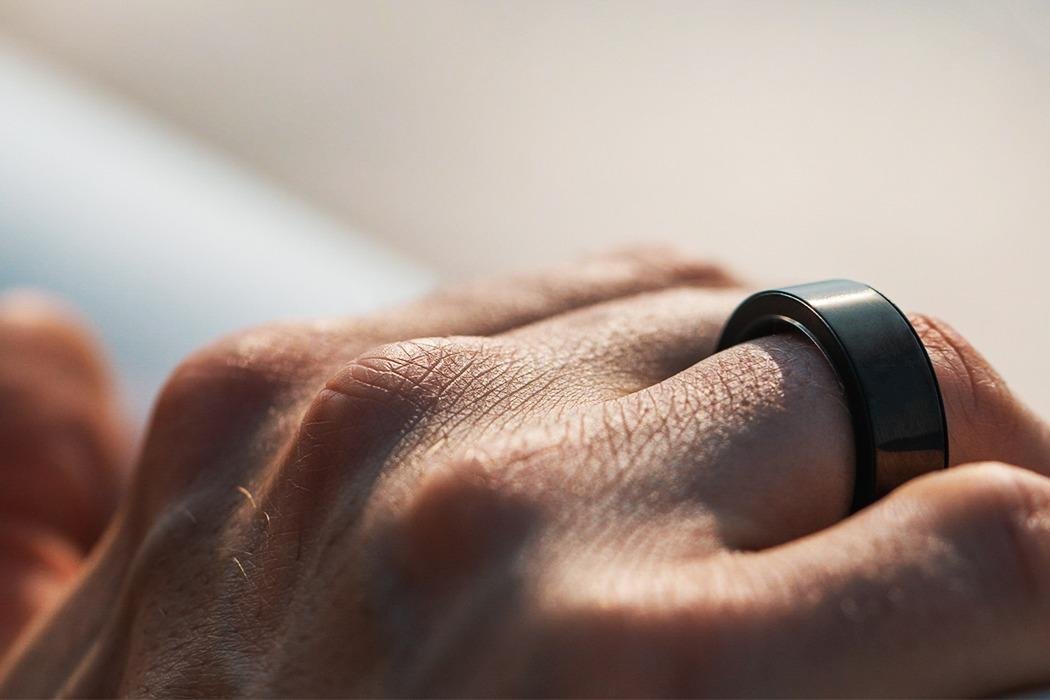
Oura Ring, Inc. is facing a proposed class action alleging that its Oura Ring 4 smart ring contains a dangerous defect that can cause the device to overheat, leading to burns and blisters on users’ fingers. Plaintiffs claim the company knew or should have known about the defect but failed to disclose the risks, instead continuing to market the product as safe, durable, and comfortable. The lawsuit further alleges that consumers would not have purchased the product, or would have paid less for it, had they been aware of the alleged safety risks.
ALLEGATIONS:
The lawsuit alleges that the Oura Ring 4, a wearable device designed to track health metrics such as sleep, stress, and activity, contains a defective lithium-polymer battery prone to overheating. According to the complaint, the defect stems from flaws in the battery’s design and materials that can lead to internal short circuits. These short circuits may trigger thermal runaway, a rapid increase in temperature that can cause the device to become dangerously hot.
Plaintiffs claim that the ring’s design lacks critical safety features, such as thermal cutoffs or protective fuses, which could prevent or mitigate overheating. The complaint further alleges that the ring’s titanium and ceramic exterior can conduct heat directly to the wearer’s skin, increasing the risk of burns or blisters.
The lawsuit highlights that lithium battery risks are well known within the consumer electronics industry, and alleges that safer alternative designs or additional protective measures were available at minimal cost. Despite this, the complaint claims Oura failed to incorporate these safeguards into the product.
According to the complaint, Oura marketed the Oura Ring 4 as “comfortable for everyone” and “crafted to perfection,” while allegedly concealing the risk of overheating. Plaintiffs assert that such representations were misleading given the alleged defect and potential for injury.
The complaint also points to reports from consumers who experienced overheating incidents. Some users allegedly reported that their rings became extremely hot or emitted smoke, resulting in burns or skin irritation. The company is said to have acknowledged these reports in public forums but allegedly did not issue formal warnings or recalls.
Two named plaintiffs describe their own experiences. One plaintiff alleges that after several months of normal use, she experienced severe discomfort and later discovered a burn on her finger, which required medical treatment and resulted in scarring. Another plaintiff claims she felt a burning sensation while wearing the ring, followed by redness and blistering that required urgent care treatment.
Both plaintiffs assert that they used the product as intended and followed all instructions. They claim that had they known about the alleged defect, they would not have purchased the ring or would have paid less for it.
The lawsuit further alleges that Oura failed to adequately respond to consumer complaints, in some cases offering only replacement devices rather than addressing the underlying issue. Plaintiffs contend that this practice perpetuated the risk by providing consumers with the same allegedly defective product.
Based on these allegations, the complaint brings claims for fraudulent concealment and unjust enrichment on behalf of a nationwide class. Additional claims are asserted under New York and Pennsylvania consumer protection laws for state subclasses. Plaintiffs seek damages, restitution, injunctive relief, and an order preventing further sale of the product.
Tells us what you think.



Leave a Reply