
CASE NAME: Danny Strael v. Nature’s Path Foods, Inc.
CASE NO.: Not specified
JURISDICTION: Superior Court of the State of California, County of Los Angeles
FILED ON: May 5, 2026
CLASS DEFINITION: All persons in California who purchased Nature’s Path Love Crunch Protein granola products for personal or household use during the applicable class period.
SUMMARY:
According to the complaint, Nature’s Path Foods, Inc. is facing a proposed class action lawsuit alleging that it falsely markets its Love Crunch “Protein” granola products as healthy, protein-rich foods while failing to disclose high levels of sugar. The lawsuit claims that the company’s labeling creates a misleading “health halo” by emphasizing protein content and omitting or downplaying the product’s sugar levels. The plaintiff alleges that consumers rely on protein-related claims when making purchasing decisions and were misled into believing the product is a healthier option than it actually is.
ALLEGATIONS:
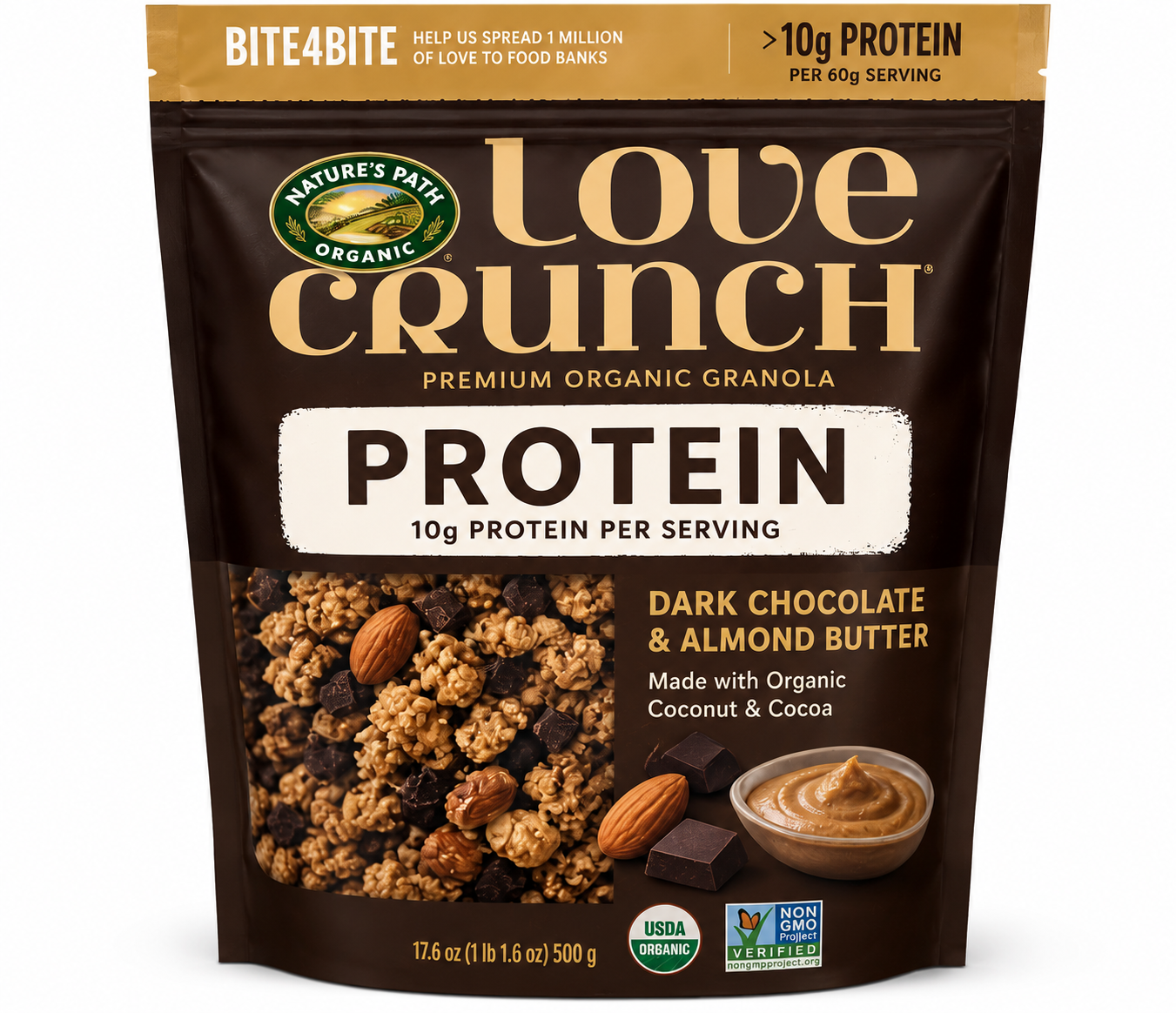
The complaint alleges that Nature’s Path engages in deceptive marketing by prominently featuring the word “Protein” in the product name and on front-of-package labeling, along with claims that the granola contains 10 grams of protein per serving. According to the lawsuit, these representations are designed to attract health-conscious consumers seeking nutritious, protein-rich foods.
However, the plaintiff contends that these representations are misleading because the product’s primary ingredient is sugar, not protein. The complaint alleges that certain flavors contain significantly more sugar than protein. For example, the “Dark Chocolate and Almond Butter” flavor allegedly contains 15 grams of sugar compared to 10 grams of protein, while the “Peanut Butter” flavor contains 12 grams of sugar and 10 grams of protein.
The lawsuit further alleges that a single serving of the product contains between 11 and 15 grams of added sugar, which constitutes a substantial portion of the recommended daily intake. According to the complaint, this amount represents at least half of the recommended daily added sugar limit for women and children and approximately one-third of the limit for men. The plaintiff claims that excessive sugar consumption is associated with health risks such as obesity, diabetes, cardiovascular disease, and other conditions.
According to the complaint, Nature’s Path’s marketing strategy relies on creating a “health halo” effect, where the emphasis on protein leads consumers to overlook or underestimate the product’s sugar content. The plaintiff alleges that the company uses omissions, emphasis, and labeling design to mislead consumers about the product’s overall nutritional profile.
The complaint also asserts that reasonable consumers interpret “protein” labeling to mean the product is primarily a protein-focused, health-promoting food, rather than one dominated by sugar. The plaintiff contends that consumers are unlikely to scrutinize the nutrition label in detail and instead rely on front-of-package claims when making purchasing decisions.
Additionally, the lawsuit alleges that Nature’s Path capitalizes on increasing consumer demand for high-protein foods. According to the complaint, protein content is a material factor influencing purchasing decisions, and consumers are often willing to pay a premium for products perceived as high in protein. The plaintiff claims that the defendant exploits this trend by highlighting protein content while failing to adequately disclose the product’s sugar levels.
The plaintiff alleges that he and other class members relied on the product’s labeling and marketing when purchasing the granola and would not have done so, or would have paid less, had they known the true nutritional composition. As a result, the complaint claims that consumers suffered economic harm by paying a premium for a product that did not meet their expectations.
The lawsuit asserts violations of California’s Consumers Legal Remedies Act, False Advertising Law, and Unfair Competition Law, as well as claims for breach of express and implied warranties. The plaintiff seeks damages, restitution, injunctive relief, and other remedies on behalf of himself and similarly situated consumers.

Leave a Reply