CASE NAME: McCanless v. Eleeo Brands
CASE NO.: 2:26-cv-03489
JURISDICTION: United States District Court for the Central District of California
FILED ON: April 1, 2026
CLASS DEFINITION: All consumers nationwide, including subclasses in California, who purchased Dapple Baby branded products during the applicable statute of limitations period.
SUMMARY:
According to the complaint, Eleeo Brands is accused of misleading consumers by marketing its Dapple Baby cleaning and personal care products as “plant-based,” “hypoallergenic,” and free from harsh chemicals, while allegedly containing synthetic and industrially processed ingredients. The lawsuit claims that these representations create the false impression that the products are natural and minimally processed, leading consumers—particularly parents seeking safe products for infants—to pay a premium. The plaintiff alleges that had consumers known the true composition of the products, they would not have purchased them or would have paid less.
ALLEGATIONS:
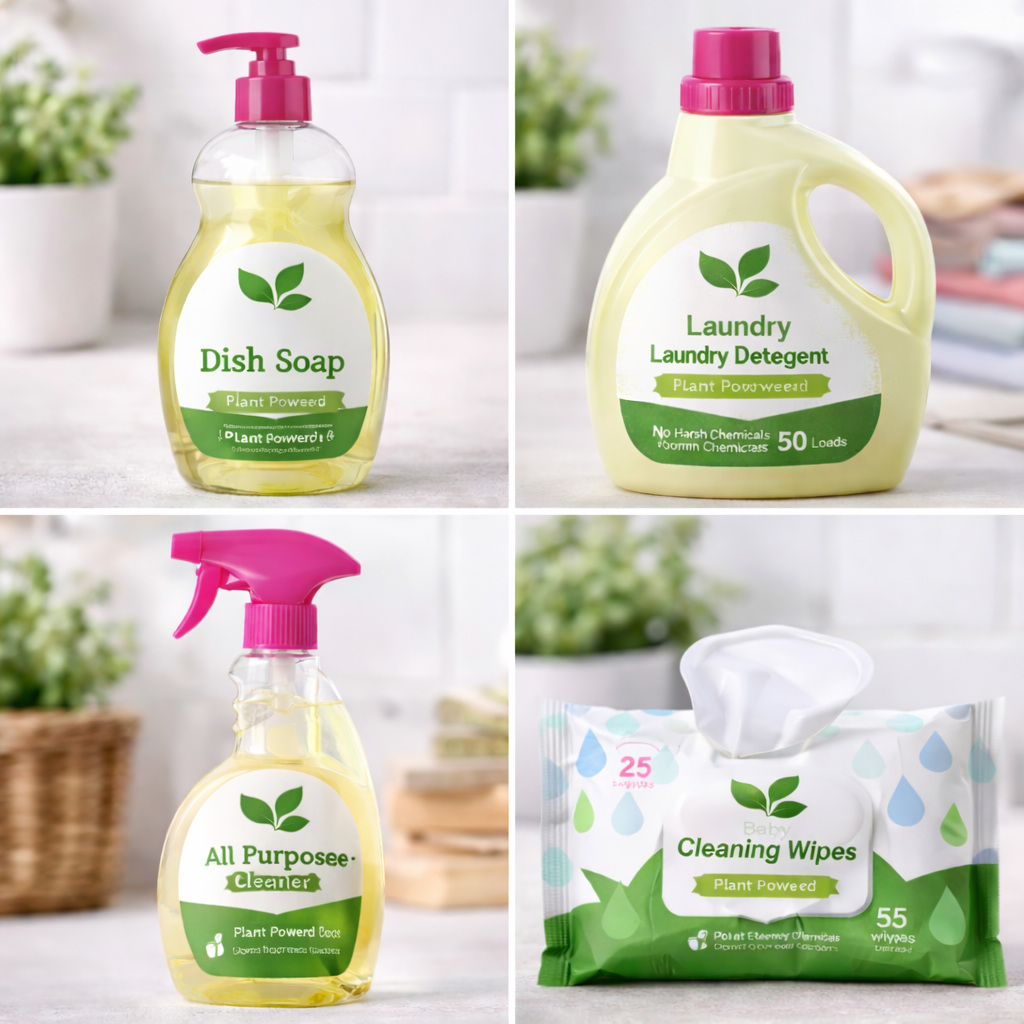
The lawsuit alleges that Eleeo Brands markets a wide range of baby-focused cleaning and care products—including bottle and dish soaps, laundry detergents, wipes, and cleaning sprays—under the Dapple Baby label as safe, natural, and plant-based. The complaint highlights that product packaging prominently features claims such as “powered by plants,” “no harsh chemicals,” “baby friendly,” and “hypoallergenic,” alongside green leaf imagery intended to reinforce a natural and environmentally friendly impression. As shown in the product images on pages 8–10, these claims are displayed prominently on labels and marketing materials, shaping consumer perception that the products are derived from natural plant ingredients.
According to the complaint, these representations are misleading because the products allegedly contain numerous synthetic and industrially processed ingredients. These include preservatives, stabilizers, and chemical agents such as benzisothiazolinone, sodium benzoate, potassium sorbate, xanthan gum, sodium hydroxide, polysorbate 20, and ethylhexylglycerin. The complaint asserts that these substances are not plant-based and, in some cases, are known allergens or irritants.
The lawsuit places particular emphasis on manufactured citric acid, which it alleges is not naturally derived from fruit but instead produced through an industrial fermentation process using microorganisms such as Aspergillus niger. The complaint explains that this process involves multiple chemical steps, including fermentation, filtration, and the use of solvents and acids, making the ingredient synthetic under federal regulatory definitions. The images on page 18 illustrate industrial production facilities to emphasize the artificial nature of the process.
The plaintiff further alleges that consumers reasonably interpret “plant-based” claims to mean that products contain only natural or minimally processed ingredients derived from plants. However, the complaint asserts that the inclusion of synthetic chemicals contradicts these expectations. It also claims that the “hypoallergenic” label is misleading because some ingredients in the products are recognized allergens or skin sensitizers.
According to the complaint, Eleeo Brands engaged in “greenwashing” by using marketing language and imagery designed to appeal to parents seeking safe and natural products for infants. The lawsuit alleges that this strategy allowed the company to charge a premium price while using lower-cost synthetic ingredients. The plaintiff contends that consumers relied on these representations when making purchasing decisions and suffered economic harm as a result.
The complaint brings multiple claims under California law, including violations of the Consumers Legal Remedies Act, False Advertising Law, and Unfair Competition Law, as well as breach of express and implied warranties and unjust enrichment. The plaintiff seeks damages, restitution, injunctive relief, and other remedies, including an order preventing the company from continuing to use allegedly misleading “plant-based” and “hypoallergenic” claims.
Leave a Reply