
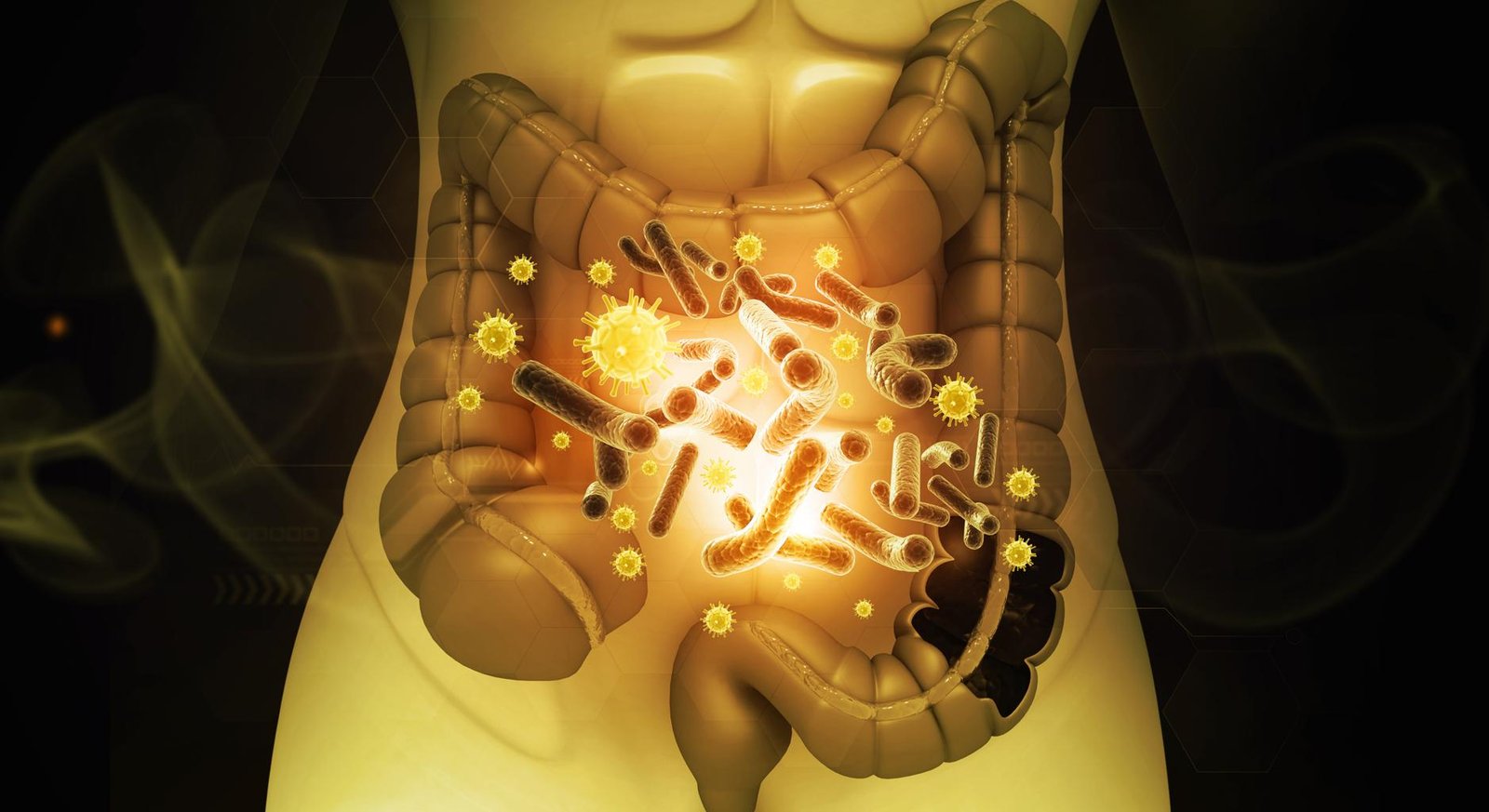
A large systematic review and meta-analysis recently published in a peer-reviewed journal examined one of the most common claims in the probiotic industry: that probiotic supplements improve the diversity of the gut microbiome. After analyzing dozens of randomized controlled trials, the researchers concluded that, in healthy individuals, probiotics do not significantly increase gut microbiome diversity. The findings highlight an important gap between popular marketing claims and the current scientific evidence.
Why microbiome diversity matters
The human gut contains trillions of microorganisms including bacteria, viruses, and fungi. Together these organisms form the gut microbiome, a complex ecosystem that plays roles in digestion, immune function, and metabolism.
Scientists often measure microbiome “health” using diversity metrics, which estimate both the number of microbial species present and how evenly they are distributed. In general, greater microbial diversity has been associated with healthier gut ecosystems and resilience against disease.
Because of this association, many probiotic supplements claim to “restore balance,” “support healthy gut flora,” or “increase microbiome diversity.” The new study set out to test whether clinical evidence actually supports these claims.
How the researchers conducted the study
The researchers performed a systematic review and meta-analysis, which means they collected and statistically combined results from multiple randomized controlled trials (RCTs). RCTs are considered the gold standard for evaluating medical interventions because they compare treatment groups with control groups under controlled conditions.
The team searched major scientific databases including MEDLINE, Embase, and the Cochrane Library. Their search initially identified more than 9,000 scientific articles. After screening for eligibility and quality, the researchers included:
- 47 studies in the systematic review
- 22 studies in the quantitative meta-analysis
- 1,068 total participants
Importantly, the researchers focused specifically on healthy populations rather than people with gastrointestinal disease. This distinction matters because probiotics may behave differently in individuals with disrupted microbiomes.
What the researchers measured
The studies measured gut microbiome diversity using several standard ecological indices commonly used in microbiome research:
- Shannon diversity index, which measures both species richness and evenness
- Observed OTUs (operational taxonomic units), which estimate the number of microbial species present
- Chao1 richness index, which estimates species richness while accounting for rare organisms
- Simpson diversity index, another measure of species distribution
These indices are widely used to determine whether an intervention changes the composition of the microbiome.
The main findings
Across the combined data from the randomized trials, the meta-analysis found no statistically significant improvement in microbiome diversity among people taking probiotics compared with controls.
For example:
- Changes in the Shannon diversity index were small and statistically insignificant.
- Measures of species richness, including observed OTUs and Chao1 estimates, also showed no meaningful increase.
- The Simpson diversity index likewise showed no consistent improvement.
In statistical terms, the confidence intervals for these measures crossed zero, indicating that the overall effect of probiotics on microbiome diversity was negligible.
What this means for probiotic claims
The findings challenge a widely promoted narrative that probiotic supplements broadly improve gut microbial diversity in healthy people. According to the researchers, the available clinical evidence does not support this conclusion.
However, the authors caution that the absence of diversity changes does not necessarily mean probiotics have no effects. Probiotics may influence the gut in other ways, including:
- altering microbial metabolism
- producing beneficial compounds
- interacting with immune cells
- temporarily colonizing the gut
In other words, probiotics might affect microbial function rather than microbial diversity.
Limitations of the research
The authors also noted several limitations that make probiotic research difficult to interpret.
First, probiotic products vary widely in their strains, doses, and formulations. Different bacterial strains can have very different biological effects, meaning results from one probiotic cannot always be generalized to others.
Second, the duration of supplementation varied among the studies, ranging from a few weeks to several months.
Third, researchers used different microbiome sequencing methods and analytical techniques, which can produce varying results.
Because of these factors, the evidence quality in many trials was rated as low to moderate.
The bottom line
This comprehensive analysis suggests that for healthy individuals, probiotic supplements do not reliably increase gut microbiome diversity, despite the widespread marketing of products claiming to do so.
Future research may focus more on strain-specific effects and clinical outcomes, such as digestive symptoms or immune responses, rather than relying solely on diversity metrics as indicators of gut health.
For consumers, the findings highlight an important point: the science of the microbiome is still evolving, and many common probiotic claims may be simpler than the underlying biology actually supports.
A full copy of the study can be found here https://pmc.ncbi.nlm.nih.gov/articles/PMC12870995/





Leave a Reply