
Case Name
Alicyn Cathey v. Ledisa LLC
Case No.
1:26-at-03119
Jurisdiction
United States District Court, Eastern District of California
Filed On
08/13/26
Class Definition
According to the complaint, the proposed class consists of all persons in the United States who purchased Ledisa’s GLP-1 Patches, including those in California who bought the product during the relevant time period.
Summary
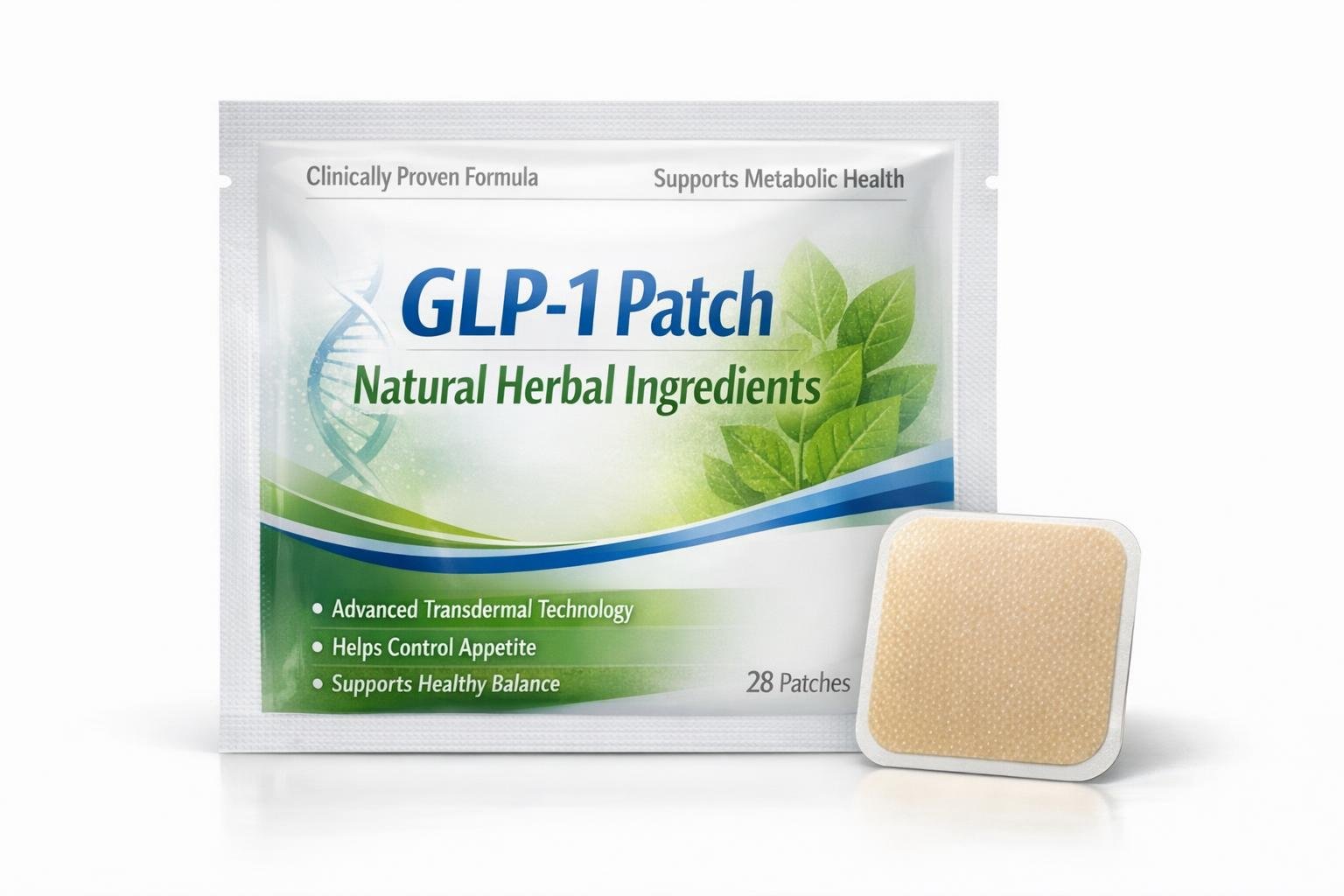
Plaintiff Alicyn Cathey brings a proposed nationwide class action against Ledisa LLC alleging the company falsely markets and sells its “GLP-1 Patches,” later rebranded as “Berberine Patches,” by claiming they contain GLP-1 and provide GLP-1–related benefits such as weight loss, appetite control, and blood sugar management. The lawsuit alleges the patches do not contain GLP-1 or any GLP-1 receptor agonist and cannot deliver GLP-1–type effects through the skin, rendering Ledisa’s representations false and misleading.
The complaint contends Ledisa exploits consumer interest in popular injectable GLP-1 medications (e.g., Ozempic, Wegovy), uses “science-backed” and doctor-approval claims, and misleads consumers into paying a premium for patches that are allegedly no more than herbal stickers. On behalf of a nationwide class and a California subclass, the plaintiff seeks restitution, damages, disgorgement, and injunctive relief under California consumer protection laws and unjust enrichment theories.
Allegations
The complaint explains GLP-1 (glucagon-like peptide-1) is a naturally occurring hormone involved in blood sugar regulation, digestion, and appetite control. It notes GLP-1 receptor agonist drugs (e.g., Ozempic, Mounjaro, Wegovy) are FDA-approved for diabetes management and weight loss, are in high demand, and are often expensive. Against this backdrop, the lawsuit alleges Ledisa sought to capitalize on consumer interest by selling “GLP-1 Patches” as a natural, “science-backed” alternative to injectable GLP-1 therapies.
The complaint asserts Ledisa markets its patches via its website, social media, and product packaging using terms such as “GLP-1 Patches,” “Science Backed Formula,” “science-backed GLP-1 support,” “sustained appetite control,” and “trigger GLP-1 release in body.” Ledisa allegedly promotes the patches with claims like “Control Your Cravings” and “Transform Your Body,” representing steady GLP-1 support through transdermal delivery. These claims are said to be reinforced by before-and-after photos and “#1 Doctor Approved” endorsements presented as evidence of efficacy and professional backing.
The complaint alleges the product does not contain GLP-1 or any GLP-1 receptor agonist. Instead, the ingredient list reportedly includes herbal and nutritional ingredients such as berberine, apple cider vinegar, cinnamon, pomegranate, resveratrol, folic acid, and similar botanical extracts. The complaint alleges these ingredients, particularly at the amounts used and when delivered through a patch, cannot provide GLP-1-equivalent benefits related to weight loss, appetite suppression, or blood sugar control. Plaintiff further contends it is scientifically implausible for GLP-1-type molecules to be effectively delivered through the skin via a patch.
To support this theory, the complaint cites statements attributed to physicians and pharmacy experts who allegedly characterize GLP-1 patches as a “scam” and emphasize no GLP-1 transdermal medications are FDA-approved. These experts reportedly explain GLP-1 molecules are too large to pass the skin barrier in a manner producing meaningful therapeutic effects. The complaint also alleges experts highlight the gap between the doses of herbal ingredients in Ledisa’s patches and the higher doses evaluated in clinical studies, and that little to no credible evidence supports the botanicals in patch form delivering the advertised benefits.
The complaint alleges Ledisa’s rebranding of the product as “Berberine Patches” did not cure the deception because core representations about GLP-1-related benefits, appetite control, and weight management remained largely the same. The product continued to be marketed as a GLP-1–supporting solution, and the complaint asserts Ledisa knew or should have known consumers would consider the presence of GLP-1 and the promise of GLP-1-like outcomes material to purchasing decisions.
Plaintiff Cathey alleges she purchased Ledisa GLP-1 Patches from Ledisa’s website in March 2026 after reviewing front-label and online claims. She claims she believed the patches contained GLP-1 and would provide weight management and appetite control benefits similar to GLP-1 drugs, and that she would not have bought the product or would have paid less had she known the patches did not contain GLP-1 and were incapable of delivering the promised results.
The complaint also references online consumer reviews on platforms such as Trustpilot and the Better Business Bureau in which purchasers reportedly describe the patches as “false advertising,” a “scam,” and “just stickers,” and report no meaningful weight loss or appetite changes. Some reviewers allegedly state they later learned GLP-1 drugs cannot be effectively delivered through the skin. The lawsuit contends these complaints show many consumers were similarly misled and dissatisfied.



Leave a Reply