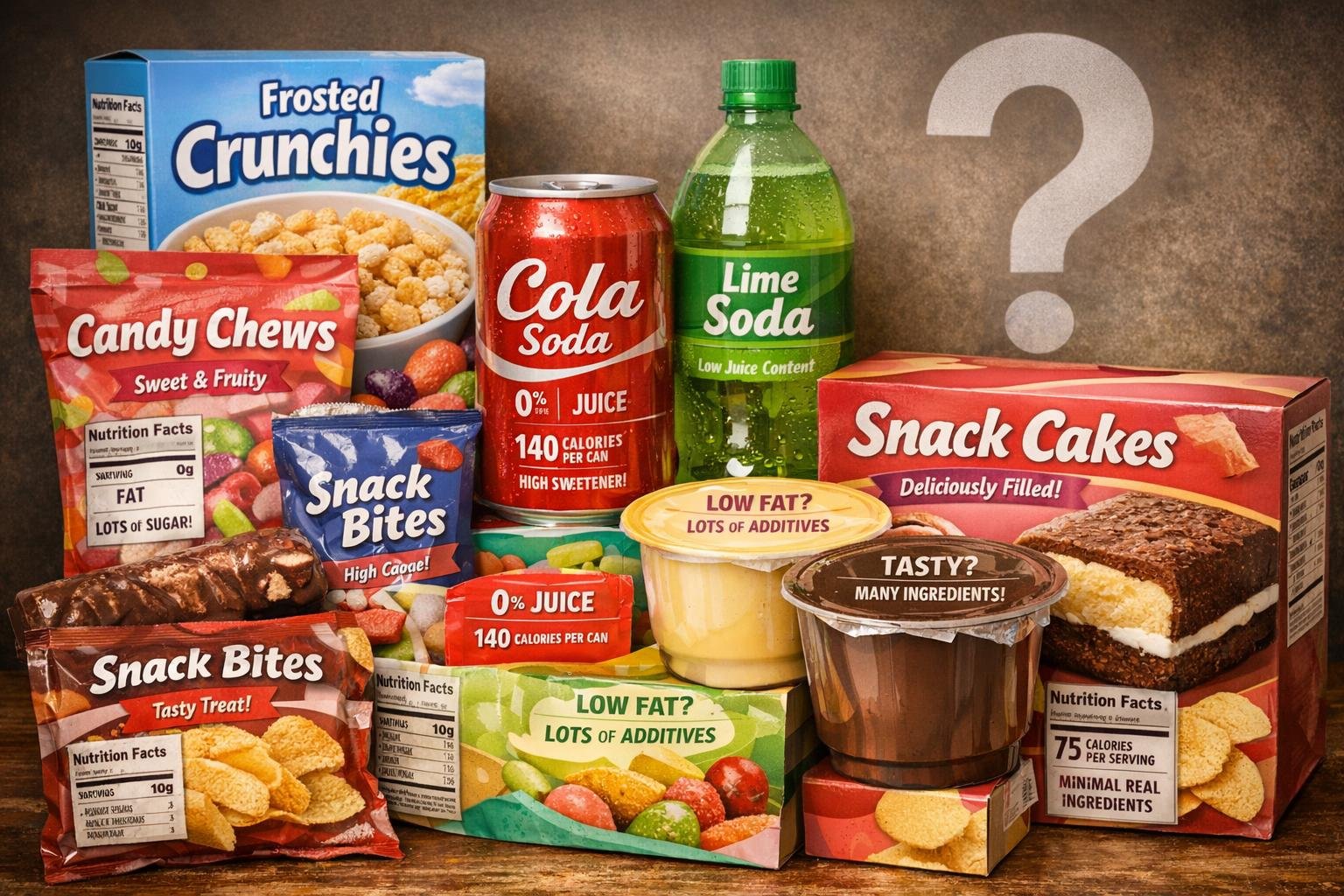
A joint Consumer Reports and Yuka investigation tested eight additives in 40 popular U.S. packaged foods and found that 1 in 4 products contained a single-serving level of additives that exceeded daily safety levels identified by U.S. or European public health agencies; when compared with broader reference levels from peer-reviewed research, nearly two-thirds of products exceeded at least one reference level. The tests, conducted by an ISO 17025–accredited laboratory, identified concerning levels of Red 40, titanium dioxide, sucralose, aspartame, and acesulfame potassium across cereals, drinks, candies, puddings and other items, raising questions about regulatory standards and children’s exposure.
Investigation and methods
Consumer Reports and Yuka measured levels of eight additives in 40 widely consumed packaged food products sold in the United States. Analyses were performed by an ISO 17025–accredited laboratory. Results were compared to daily safety levels identified by U.S. or European public health agencies and to broader reference levels drawn from peer-reviewed scientific studies.
Overall results
According to the joint investigation, 25 percent of products tested contained additive levels in a single serving that exceeded daily safety levels identified by U.S. or European agencies. When assessed against broader levels of concern cited in peer-reviewed research, 25 of the 40 products—nearly two-thirds—exceeded at least one reference level.
Red 40 findings
Of 13 products tested that contained Red 40, five contained Red 40 in a single serving at levels exceeding the daily safety level for children identified by California’s Office of Environmental Health Hazard Assessment (OEHHA). The investigation notes that several studies indicate chronic exposure to Red 40 may contribute to behavioral changes in children, including hyperactivity and attention disorders. Three of the products also surpassed thresholds identified for adults. The report notes a California law banning Red Dye 40 in food served in the state’s schools will take effect on December 31, 2027.
Artificial sweeteners
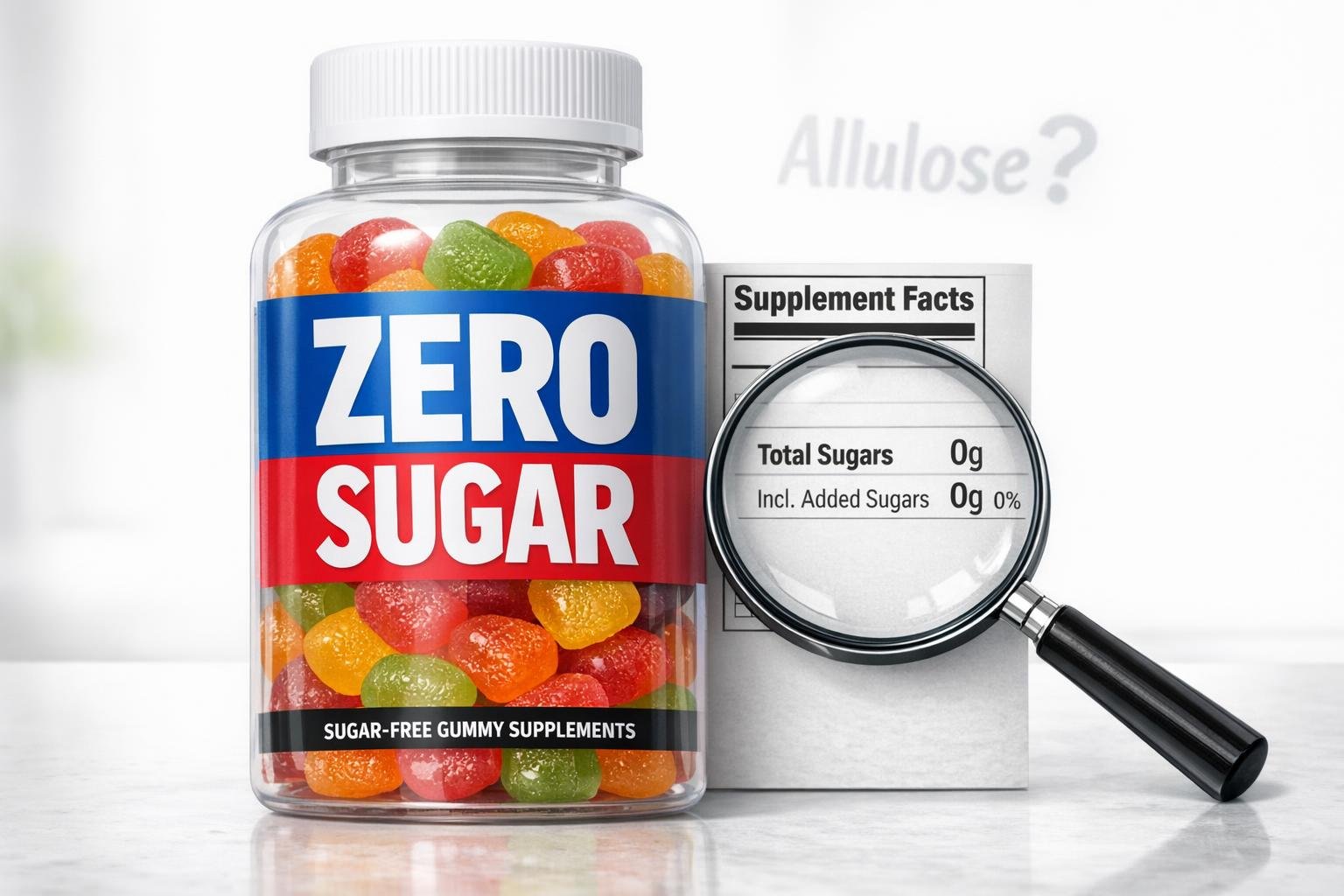
Nineteen of 21 products tested for the artificial sweeteners acesulfame potassium (Ace‑K), aspartame, and sucralose contained enough of at least one of those sweeteners in a single serving to exceed levels of concern associated with increased risk of cancer, cardiovascular disease, or type 2 diabetes. The investigation says those levels of concern are based on peer‑reviewed studies that followed more than 100,000 French adults for 12 years. The report highlights that in sugar‑free sodas from Pepsi and Coca‑Cola, drinking as little as one‑sixth of a can would be sufficient to cross the level for acesulfame‑K or aspartame.
Titanium dioxide
Four products were tested for titanium dioxide, a synthetic whitening agent the European Union banned as a food additive in 2022 over concerns about genotoxicity. One product—Hostess Donettes Mini Powdered Donuts—contained 261 milligrams of titanium dioxide in a single serving, which the investigation reports is more than 760 times the combined amount found in the three other tested products containing the additive.
Children’s exposure
The investigation notes that many of the additives flagged appear in products children eat every day, including cereals, flavored drinks, candies, and puddings, and that because children weigh less a single serving can represent a much larger portion of their daily exposure than it does for adults.
Regulatory framework and oversight
Consumer Reports and Yuka emphasize a disparity between scientific findings and U.S. regulatory standards. The report states that while the U.S. sets limits on some additives, many limits date from decades ago and have not been revisited. It notes that the European Food Safety Authority is legally required to reevaluate all approved food additives and has published reassessments for more than 240 substances since 2009, whereas the U.S. lacks an equivalent process. The investigation reports that for 38 percent of 50 commonly used additives Yuka has flagged for health concerns, no quantitative U.S. enforceable limits exist.
A central driver of the gap is identified as the “Generally Recognized as Safe” (GRAS) pathway, which the report says allows manufacturers to introduce new substances into the food supply without independent FDA review and in some cases without notifying the agency. The investigation cites the Environmental Working Group as reporting that nearly 99 percent of new substances added to U.S. food since the 2000s entered through GRAS.
Responses and calls for action
Manufacturers of several highlighted products told Consumer Reports that their products comply with current FDA regulations. The FDA declined to comment on the investigation’s specific findings but said it has launched a stronger post‑market review process for chemicals and additives already on the market. Consumer Reports and Yuka are urging people to press the FDA to strengthen oversight of food additives and update outdated safety standards.
About the partners
The report includes information that Yuka, founded in 2017, is an independent impact project whose app lets users scan barcodes of food and cosmetic products to assess health impact; the app reportedly has more than 85 million users worldwide, including 27 million in the United States. Consumer Reports describes itself as an independent nonprofit founded in 1936 that tests products and advocates for consumer protections.

Leave a Reply