Case Details
- Case Name
- Arnold v. I‑Health, Inc. and DSM Nutritional Products, Inc.
- Case No.
- 2:26-at-01282
- Jurisdiction
- United States District Court for the Eastern District of California
- Filed On
- 07/29/26
Class Definition
The proposed class consists of all California residents who purchased Estroven Mood Boost and/or Estroven Stress Relief & Energy Boost for personal use on or after January 1, 2019.
Summary
Plaintiff Jaime Arnold brings a proposed consumer class action against I‑Health, Inc. and DSM Nutritional Products, Inc. concerning their Estroven Mood Boost and Estroven Stress Relief & Energy Boost menopause supplements. The complaint alleges defendants deceptively market these products as providing “menopause relief” and “multi‑symptom” relief for hot flashes, night sweats, mood swings, anxiety, stress, fatigue, and low energy, despite a lack of competent scientific evidence that the active ingredients can safely and effectively treat menopause symptoms.
The complaint further contends that by making symptom‑relief claims, defendants are illegally selling Estroven as an unapproved drug under federal and California law and failing to provide a properly placed dietary‑supplement disclaimer. Plaintiff claims she and other consumers overpaid for ineffective and unlawfully marketed products and seeks restitution, injunctive relief, and related remedies under California consumer protection statutes.
Allegations
Marketing and Labeling
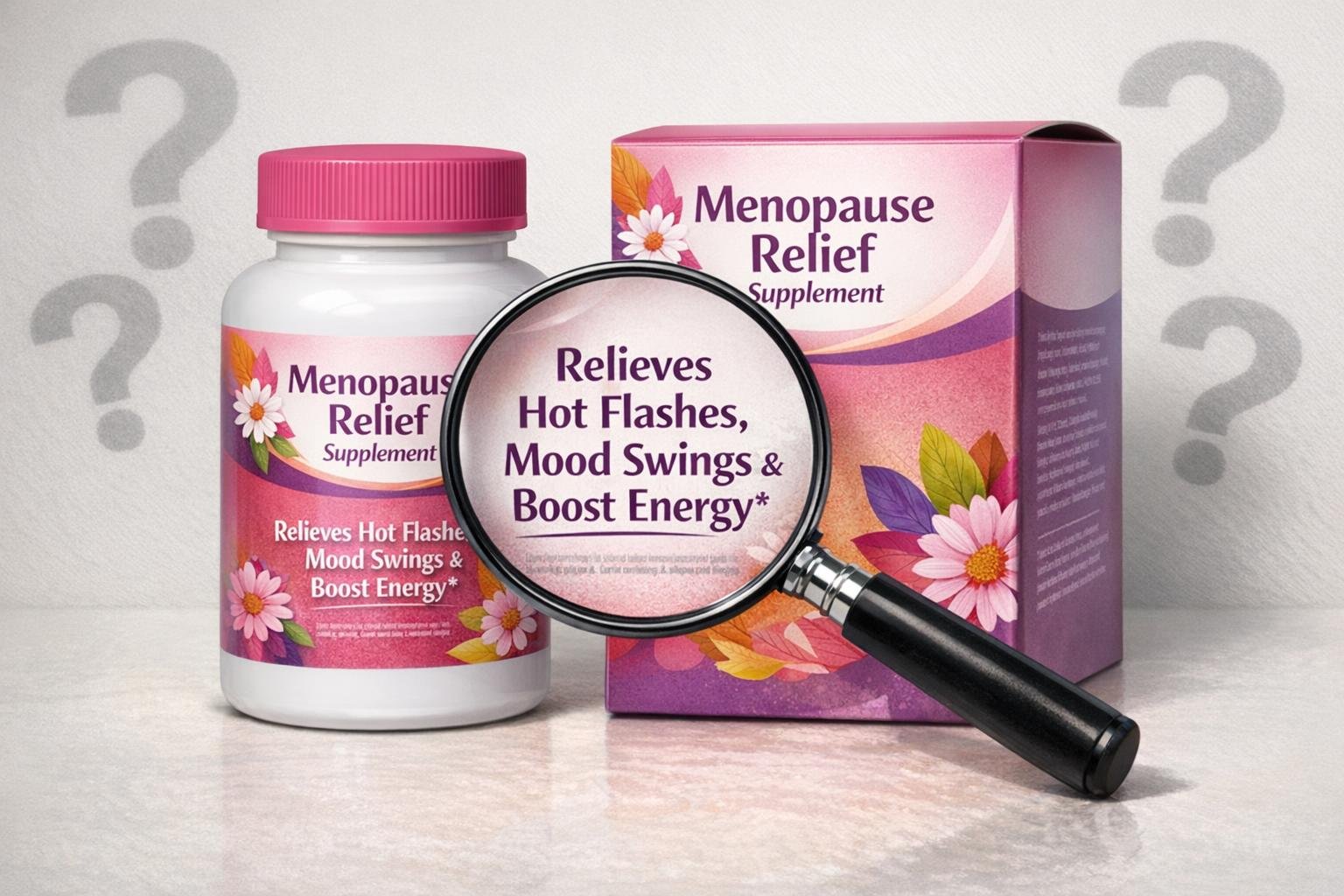
The complaint alleges Estroven Mood Boost and Estroven Stress Relief & Energy Boost are marketed as over‑the‑counter menopause supplements but promoted with drug‑like promises. Estroven Mood Boost is labeled and advertised as providing “menopause relief” for hot flashes, night sweats, and mood swings and is described as “formulated to provide relief from hot flashes and night sweats plus improve mood and support memory.” Estroven Stress Relief & Energy Boost is allegedly promoted as offering menopause relief for hot flashes, night sweats, low energy, daily stress, and mood swings, and as “formulated to provide relief for hot flashes and night sweats, plus manage stress and fatigue.” Online marketing is alleged to further claim these products reduce menopausal anxiety, contain “clinically proven” ingredients, and are “maximum strength” for hot flashes and night sweats.
Why the Representations Are Allegedly Misleading
-
Lack of Proven Efficacy:
The complaint alleges the active ingredients—soy isoflavones, black cohosh root extract, ginkgo biloba leaf extract, magnolia bark extract, and (in the Stress Relief product) green tea and yerba maté—are not proven effective for treating menopause symptoms. Plaintiff cites clinical trials and systematic reviews she contends show no meaningful benefit for hot flashes and related symptoms, and in some instances report more hot flashes in soy groups than in placebo groups. On this basis, the complaint asserts claims of symptom relief, improved mood, reduced anxiety, and boosted energy are unsupported and deceptive.
-
Drug Claims and Regulatory Status:
The lawsuit contends defendants’ symptom‑relief and disease‑like claims render Estroven an unapproved “drug” under the federal Food, Drug, and Cosmetic Act and California’s Sherman Law. Products claiming to relieve hot flashes, night sweats, menopausal anxiety, stress, and fatigue are alleged to be making drug claims that require premarket approval as new drugs, adequate directions for use, and compliance with drug labeling requirements. The complaint alleges Estroven has never been approved by the U.S. Food and Drug Administration as a drug and does not meet applicable drug labeling standards.
Dietary‑Supplement Claim and Disclaimer Placement
The complaint alleges Estroven’s labeling cannot be treated as permissible dietary‑supplement “structure/function” claims because the products make explicit symptom‑relief and disease‑treatment claims that fall outside the more lenient regulatory framework for supplements. The complaint cites prior FDA warning letters to other companies for similar menopause‑relief wording as support for classifying Estroven’s claims as drug claims.
Plaintiff also challenges the placement of the required dietary‑supplement disclaimer. The complaint alleges Estroven’s front labels use asterisks next to key efficacy claims that are supposed to link to a statement that the claims have not been evaluated by the FDA and that the product is not intended to diagnose, treat, cure, or prevent any disease. The lawsuit alleges the disclaimer appears only on the back panel, is not on each panel where the claims appear, and is not properly boxed and linked as required by 21 C.F.R. § 101.93(d), making the labeling misleading and unlawful.
Plaintiff’s Allegations of Injury
Plaintiff alleges she purchased Estroven Mood Boost and Estroven Stress Relief approximately 50 times from Amazon between 2018 and 2022. She claims she relied on defendants’ representations that the products would safely and effectively relieve her menopause symptoms and complied with regulatory requirements, but the products did not provide the promised relief. Because the products were allegedly ineffective and unlawfully marketed, she contends they had no value and that she and other consumers suffered economic injury—i.e., they would not have purchased Estroven, or would have paid less, had they known the products lacked proven efficacy and proper regulatory approval.
Claims and Relief Sought
On behalf of a class of California residents who purchased Estroven for personal use on or after January 1, 2019, the complaint asserts claims under California’s Unfair Competition Law (unlawful, unfair, and fraudulent prongs) and the California Consumer Legal Remedies Act. The lawsuit seeks:
- Restitution and disgorgement of revenues
- Corrective advertising
- Destruction of allegedly unlawful products and labeling
- Injunctive relief prohibiting defendants from continuing to market and sell Estroven with the challenged claims
- Attorneys’ fees and costs
Leave a Reply