
Case Information
Case Name: Michael Xavier v. Flagstone Foods LLC d/b/a Emerald Nuts
Case No.: 2:26-at-01278
Jurisdiction: United States District Court Eastern District of California
Filed on: 07/29/26
Class Definition
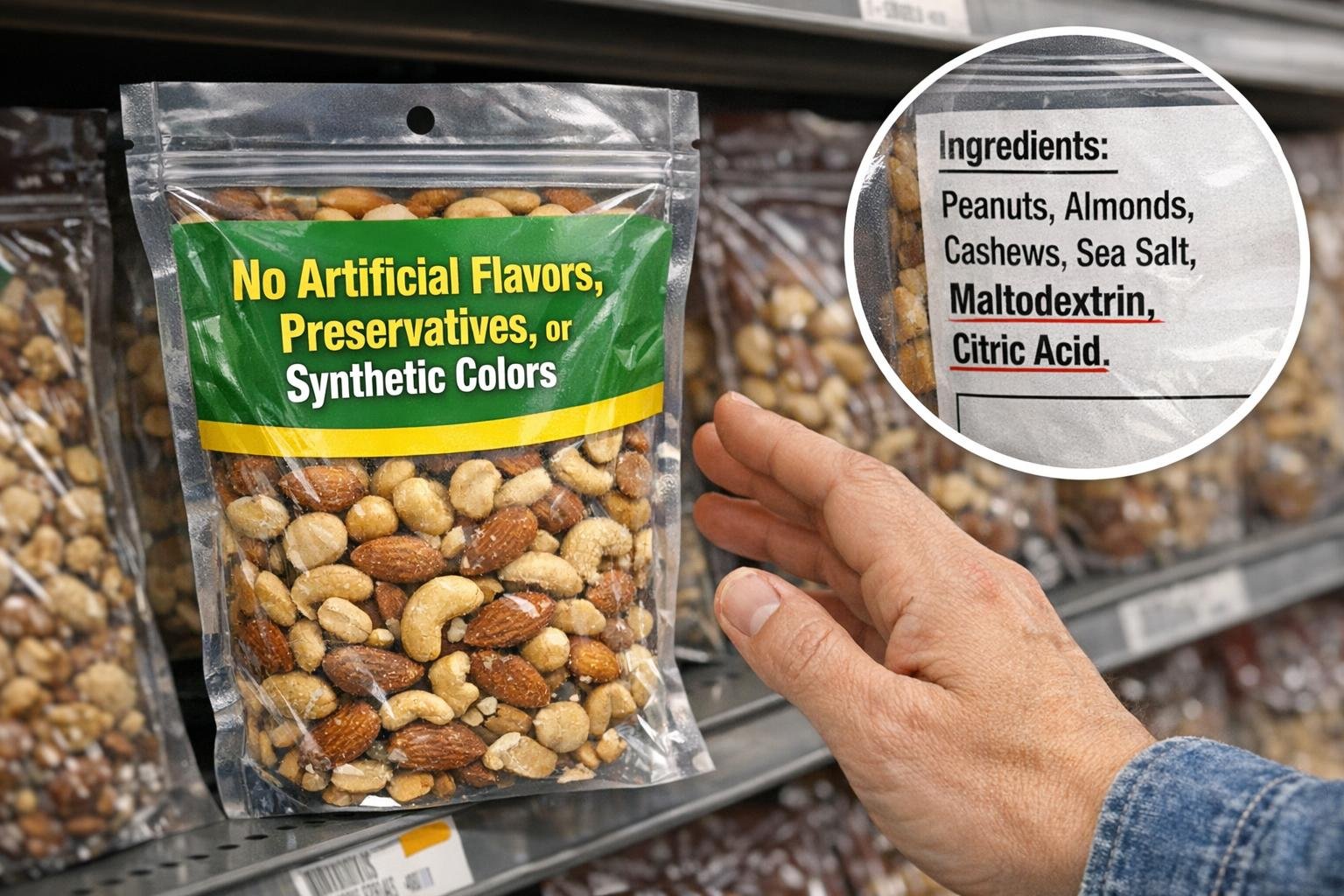
The lawsuit seeks to represent all consumers in California and in other states with similar consumer-protection laws who purchased Emerald-branded snack nut products labeled “No Artificial Flavors, Preservatives, or Synthetic Colors” for personal use during the applicable limitations period.
Summary
According to the complaint, Flagstone Foods LLC, which markets Emerald Nuts products nationwide, falsely advertises various flavored nut and snack products as containing “No Artificial Flavors, Preservatives, or Synthetic Colors.” The lawsuit alleges that these products in fact contain citric acid and maltodextrin, which the plaintiff contends are synthetic ingredients that function as artificial flavors and chemical preservatives.
The complaint claims that this front-of-pack representation is central to the products’ identity and marketing, that consumers rely on it when making quick purchase decisions, and that Emerald charges a premium based on these claims. The plaintiff asserts that he and other consumers would not have purchased the products, or would have paid less, had they known about the alleged presence and function of these ingredients.
The lawsuit seeks damages, restitution, disgorgement, and injunctive relief on behalf of a multi-state class and a California subclass under consumer-protection, false advertising, warranty, and unjust enrichment theories.
Allegations
The complaint alleges that Flagstone Foods LLC is responsible for sourcing, processing, packaging, marketing, and distributing Emerald-branded snack nut products throughout the United States, including in California. The challenged products include multiple varieties of cashews, seasoned almonds, snack packs, a variety pack, and other Emerald nut and snack items.
According to the lawsuit, these products prominently display the claim “No Artificial Flavors, Preservatives, or Synthetic Colors” on the front of the packaging, and this message is repeated in off-label and online advertising as a key component of Emerald’s brand image.
Consumer reliance and marketing
The complaint contends that reasonable consumers, who typically spend only seconds evaluating products on store shelves and lack technical or regulatory expertise, place significant weight on such front-label statements. It alleges that most shoppers do not closely examine ingredient lists on the side or back panels and instead rely on clear front-of-pack representations when deciding what to buy.
The lawsuit cites consumer research indicating that many consumers are willing to pay more for products they perceive as “natural,” free of preservatives, or free from artificial additives, and asserts that Emerald intentionally capitalizes on these preferences.
Alleged ingredients and functions
Despite this marketing, the complaint states that the products contain citric acid and maltodextrin.
Citric acid
The complaint alleges the citric acid used in commercial food production is not derived directly from citrus fruit but is typically manufactured through a fermentation process using Aspergillus niger, followed by multiple chemical extraction and purification steps. The complaint describes this substance as manufactured citric acid and asserts that it is synthetic.
It further alleges that this citric acid is widely recognized as functioning as both a preservative and a flavoring agent, extending shelf life and enhancing taste, and that regulators and technical authorities classify it as a preservative.
Maltodextrin
The complaint describes maltodextrin as a highly processed, synthetic ingredient derived from starch through acid and/or enzymatic hydrolysis. The lawsuit alleges that maltodextrin is refined into a white, water-soluble powder that can contribute mild sweetness, act as a thickener and texturizer, and help extend shelf life by reducing water activity and inhibiting microbial growth.
Based on these alleged functions, the plaintiff contends that maltodextrin operates as both a flavoring and a chemical preservative under applicable regulatory definitions, and that FDA materials recognize it as synthetic.
Alleged deception and plaintiff’s purchase
According to the complaint, by including citric acid and maltodextrin in products labeled as having “No Artificial Flavors, Preservatives, or Synthetic Colors,” Emerald’s labeling and advertising are false, misleading, and likely to deceive reasonable consumers. The lawsuit asserts that Emerald does not disclose on the labeling that these ingredients allegedly act as artificial flavors or preservatives, and that consumers therefore have no reasonable basis to suspect that the products do not conform to the front-label promise.
The named plaintiff, Michael Xavier, alleges that he purchased an Emerald Variety Pack in Roseville, California, relying on the representation that the products contained no artificial flavors, preservatives, or synthetic colors. He claims he paid a price premium for the products and would not have purchased them, or would have paid less, had he known the truth about citric acid and maltodextrin in the products. The complaint asserts that other class members similarly suffered economic injury as a result of the alleged misrepresentations.
Claims, classes, and relief sought
The lawsuit seeks certification of a multi-state consumer-protection class, encompassing purchasers in California and other states with similar laws, and a separate California subclass.
Causes of action include:
- Alleged violations of state consumer-protection statutes
- California’s Consumers Legal Remedies Act
- False Advertising Law
- Unfair Competition Law
- Breach of express and implied warranties
- Unjust enrichment
The complaint requests:
- Restitution
- Actual, statutory, and punitive damages where permitted
- Disgorgement of Flagstone’s profits
- Attorneys’ fees
- Injunctive relief requiring Emerald to cease the challenged marketing practices and correct its product labeling and advertising
Leave a Reply