Case Information
- Case Name
- Brandon Miller v. Scope Health, Inc.
- Case No.
- 26-cv-05457
- Jurisdiction
- US District Court for the Eastern District of California
- Filed on
Class Definition
All persons in California who, during the four years preceding the filing of the complaint through the date of class notice, purchased any OPTASE-branded ophthalmic products identified in the complaint for personal or household use and not for resale.
Summary
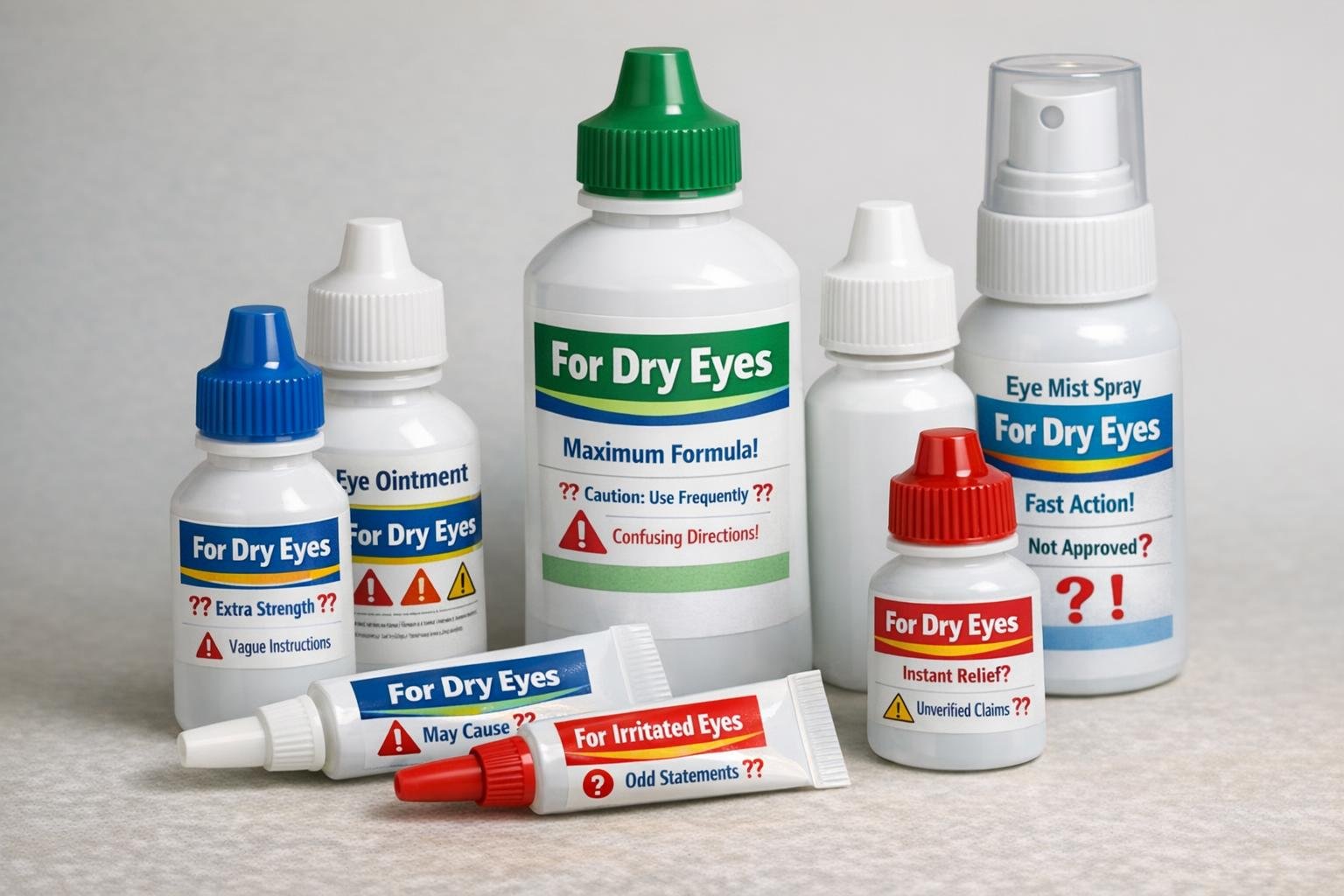
According to the complaint, Brandon Miller has filed a putative class action against Scope Health, Inc. alleging that the company unlawfully marketed and sold its OPTASE-branded ophthalmic products in California as over-the-counter treatments for dry eye disease and related eye conditions, even though the U.S. Food and Drug Administration (FDA) has determined that these products are unapproved new drugs and, in many instances, misbranded.
The lawsuit contends that because the products could not lawfully be introduced into interstate commerce under the Federal Food, Drug, and Cosmetic Act (FDCA), their sale violated federal law as incorporated into California’s Sherman Food, Drug, and Cosmetic Law and thereby constituted unlawful, unfair, and fraudulent business practices under California’s Unfair Competition Law (UCL). The complaint asserts that consumers, including the named plaintiff, paid money for products that were not legally marketable and therefore did not receive the benefit of their bargain.
Allegations
Products at Issue
The complaint alleges Scope Health, Inc. manufactures, markets, distributes, and sells a line of ophthalmic products under the OPTASE brand in California. The identified products include:
- MGD Advanced Dry Eye Drops
- Dry Eye Intense Drops (multi-use bottle and single-dose formats)
- Allegro Eye Drops
- HYLO Night Eye Ointment
- Tea Tree Oil Eyelid Wipes
- Tea Tree Oil Eyelid Gel
- Protect Eyelid Cleansing Spray
The complaint alleges Scope promotes these products as treatments for dry eye disease, meibomian gland dysfunction, blepharitis, and related eye conditions. Because they are marketed for the diagnosis, cure, mitigation, treatment, or prevention of disease, the lawsuit asserts they fall within the definition of “drugs” under the FDCA.
FDA Warning Letter and Regulatory Findings
The complaint relies on an FDA Warning Letter dated July 9, 2025, from the FDA’s Center for Drug Evaluation and Research. According to the complaint’s description of that letter, the FDA concluded that several OPTASE products are unapproved new drugs that were introduced or delivered for introduction into interstate commerce without the required FDA approval. The FDA allegedly determined the products are not generally recognized as safe and effective for their labeled uses and that certain formulations fail to conform to applicable over-the-counter (OTC) ophthalmic monographs.
The complaint provides specific examples based on the FDA’s findings:
- OPTASE MGD Advanced Dry Eye Drops allegedly contains active ingredients such as sacha inchi seed oil, trehalose, and sodium hyaluronate, which the complaint alleges are not permitted in OTC ophthalmic demulcent drug products.
- OPTASE Dry Eye Intense Drops allegedly contains sodium hyaluronate as an active ingredient not allowed under the applicable OTC monograph, and the multi-use bottle formulation allegedly omits a required warning statement.
- OPTASE Allegro Eye Drops allegedly uses Ectoin as an active ingredient not authorized by the monograph.
- HYLO Night Eye Ointment allegedly includes vitamin A as an active ingredient that is not permitted for OTC ophthalmic emollient products.
Based on these issues, the complaint states the FDA concluded several products were misbranded and that introducing them into interstate commerce violated the FDCA. The complaint also alleges the FDA found no FDA-approved applications in effect for any of the identified OPTASE products.
Legal Consequences Alleged
Because the products are alleged to be unapproved new drugs and, in many cases, misbranded, the complaint contends their sale in California violates the state’s Sherman Food, Drug, and Cosmetic Law. The lawsuit alleges this statutory violation, in turn, constitutes an unlawful business practice under the UCL.
Plaintiff’s Allegations Regarding Purchase and Injury
The complaint alleges that Brandon Miller, a resident of Fresno County, California, purchased OPTASE Dry Eye Intense Drops from Amazon in November 2024 for his own personal household use to relieve dry eye symptoms. He allegedly believed the product was lawfully marketed and compliant with federal and California regulations governing OTC drugs and was unaware of the FDA’s conclusions that the product was an unapproved new drug and misbranded.
The complaint asserts that nothing in the product’s labeling, packaging, or sale would have alerted a reasonable consumer that it was being sold in violation of law. According to the lawsuit, Miller would not have purchased the product, or would have paid less for it, had he known its alleged regulatory status, and he and other consumers did not receive the benefit of the bargain because they purchased products that were not legally marketable.
Causes of Action
- Violation of California’s Unfair Competition Law (UCL) — unlawful, unfair, and fraudulent prongs
- Violation of the Consumers Legal Remedies Act (CLRA)
- Unjust enrichment (common-law claim)
The complaint alleges Scope’s marketing and sale of the OPTASE products misrepresented or omitted the products’ true regulatory status, violated incorporated federal requirements, and caused substantial economic harm to consumers.
Relief Sought
- Injunctive relief to halt the challenged marketing practices and require corrective advertising
- Restitution and disgorgement of revenues obtained from the sale of the products
- Statutory and other damages where allowed
- Attorneys’ fees and costs

Leave a Reply