CASE NAME: Tuennerman et al. v. Flowers Foods, Inc. et al.
CASE NO.: Not specified
JURISDICTION: United States District Court, District of Arizona
FILED ON: July 13, 2026
CLASS DEFINITION: All persons in Arizona and California who purchased Flowers Foods bread or bakery products packaged in LDPE #4 plastic film bearing recyclability claims
SUMMARY:
Flowers Foods, Inc. and its subsidiaries—including Dave’s Killer Bread and Canyon Bakehouse—are accused of misleading consumers by labeling their bread packaging as recyclable when it allegedly is not recyclable in real-world conditions. The lawsuit claims that the companies used recycling symbols and instructions that led consumers to believe the packaging could be recycled through ordinary curbside programs, when in fact such plastic film is generally not accepted by municipal recycling systems. Plaintiffs allege that consumers paid a premium for products marketed as environmentally friendly and were economically harmed as a result.
ALLEGATIONS:
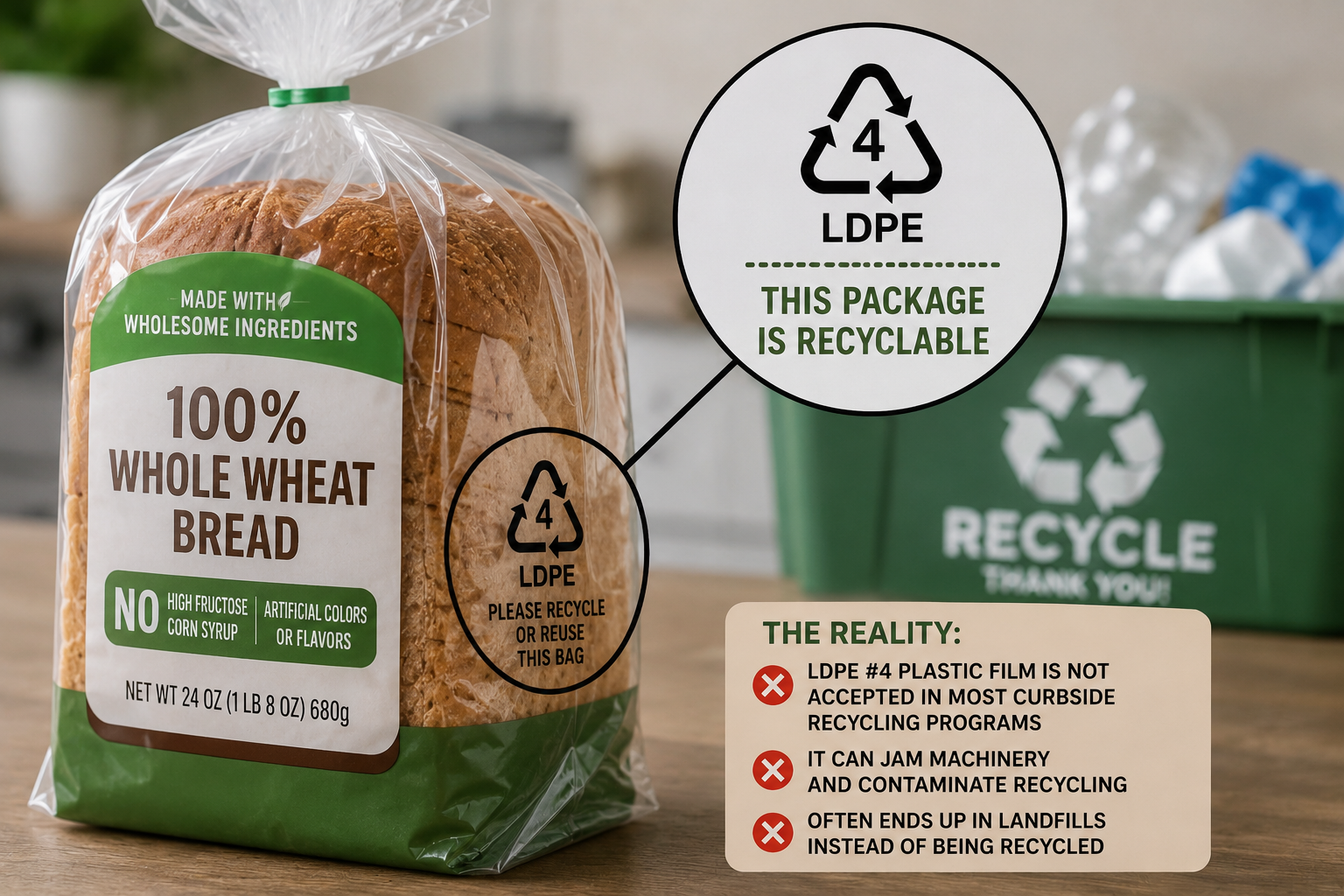
The lawsuit alleges that Flowers Foods and its subsidiaries engaged in a uniform practice of marketing bread packaging made from low-density polyethylene (#4 LDPE plastic film) as recyclable. According to the complaint, this packaging commonly displays the “chasing arrows” recycling symbol and statements such as “PLEASE RECYCLE OR REUSE THIS BAG” or “THIS PACKAGE IS RECYCLABLE,” which allegedly communicate to consumers that the packaging can be disposed of through standard curbside recycling programs.
Plaintiffs contend that these representations are false and misleading because LDPE plastic film is not accepted by most municipal recycling facilities in the United States. The complaint alleges that fewer than a small percentage of recycling facilities accept such materials, and that most curbside systems are designed for rigid plastics like bottles and containers—not flexible plastic films used in bread bags.
The lawsuit further alleges that, rather than being recycled, these plastic bags often interfere with recycling systems. According to the complaint, LDPE film can clog machinery, wrap around sorting equipment, and cause operational shutdowns at recycling facilities. This contamination can result in otherwise recyclable materials being diverted to landfills or incinerators, undermining the recycling process.
Plaintiffs also claim that Flowers Foods failed to disclose key limitations about recyclability. The complaint alleges that the packaging does not inform consumers that the bags are generally not accepted in curbside recycling programs, nor does it direct consumers to alternative disposal options such as store drop-off programs where limited recycling may be available. Without such qualifications, the lawsuit argues, the packaging creates a false impression that the products are environmentally friendly and recyclable in ordinary conditions.
According to the complaint, the defendants were aware that consumers value environmentally responsible packaging and are willing to pay more for products perceived as sustainable. Plaintiffs allege that the companies capitalized on this demand by prominently displaying recyclability claims as part of their marketing strategy, thereby increasing product sales and price premiums.
The lawsuit further asserts that consumers relied on these representations when making purchasing decisions. Plaintiffs state that they believed the packaging could be recycled through normal municipal systems and would not have purchased the products—or would have paid less—had they known the truth.
The complaint also references federal and state standards governing environmental marketing claims, including the Federal Trade Commission’s Green Guides, which state that products should not be marketed as recyclable unless recycling facilities are available to a substantial majority of consumers. Plaintiffs allege that Flowers Foods’ packaging does not meet these standards and therefore constitutes deceptive marketing.
As a result of these alleged misrepresentations, plaintiffs bring claims under consumer protection laws and seek damages, restitution, injunctive relief, and other remedies.

Leave a Reply