CASE NAME: Bianca Albertina Quintana, Elvira Liset Lopez, Gwyeneth Ether, and Katie Lynn Fassbinder v. Munchkin, Inc. and Why Brands, Inc.
CASE NO.: 3:26-cv-05822
JURISDICTION: United States District Court, Northern District of California
FILED ON: June 15, 2026
CLASS DEFINITION: The lawsuit seeks to represent a nationwide class of consumers who purchased Munchkin Lactation Cookie Bites for personal, family, or household use during the applicable limitations period, as well as separate California, New York, and Illinois statewide classes.
SUMMARY:
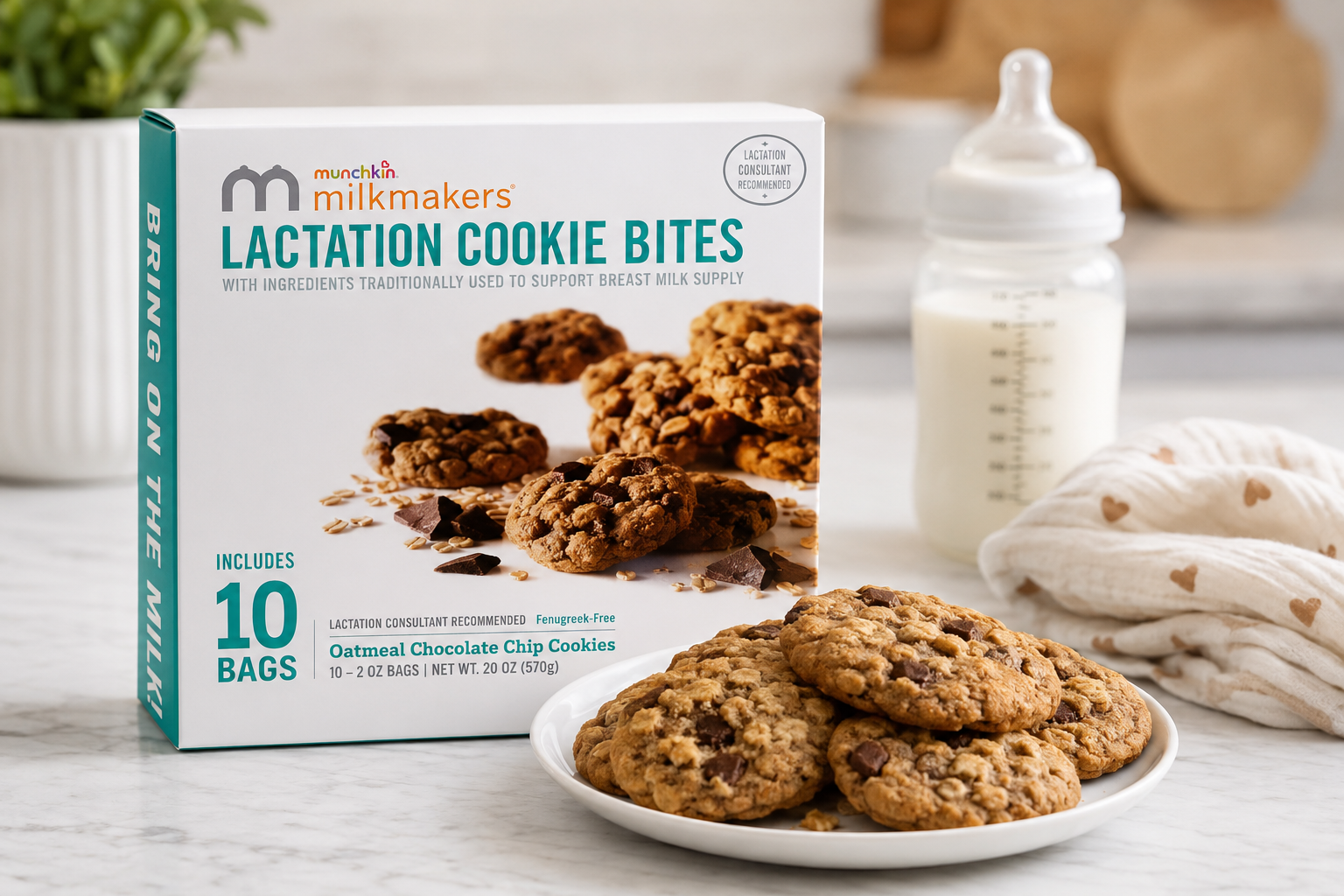
A proposed class action alleges that Munchkin, Inc. and its parent company, Why Brands, Inc., falsely marketed Munchkin Lactation Cookie Bites as products capable of increasing breast milk production beyond what an ordinary cookie could achieve. According to the complaint, the defendants promoted the cookies through packaging, websites, and retailer listings using statements such as “Milkmakers,” “Lactation Cookie Bites,” “Bring on the Milk!,” and “With Ingredients Traditionally Used to Support Breast Milk Supply.” The lawsuit contends these claims led consumers, particularly breastfeeding mothers seeking to improve milk production, to pay premium prices for products that scientific evidence allegedly shows perform no better than conventional cookies. Plaintiffs seek damages, restitution, injunctive relief, and other remedies on behalf of consumers nationwide and in several states.
ALLEGATIONS:
According to the complaint, the defendants targeted one of the most vulnerable periods of parenthood by marketing Lactation Cookie Bites as specialized products designed to help nursing mothers increase breast milk supply. The lawsuit alleges that product packaging and online advertising repeatedly emphasized claims suggesting the cookies were formulated to improve lactation, including references to lactation consultants, milk production, and ingredients traditionally associated with breastfeeding support.
The complaint alleges that these marketing claims are contradicted by a 2023 randomized, double-blind clinical study published in the American Journal of Clinical Nutrition. Plaintiffs contend the study compared women consuming Munchkin Lactation Cookie Bites with women consuming conventional Famous Amos cookies and found no statistically significant difference in breast milk production between the groups. According to the lawsuit, mothers eating the conventional cookies actually experienced slightly greater average increases in milk production than those consuming the Munchkin products.
The lawsuit further alleges that despite this scientific evidence, defendants continued promoting the cookies using representations that reasonable consumers would interpret as promises of enhanced milk production. Plaintiffs contend the defendants were also aware of numerous consumer complaints posted online over several years alleging the cookies failed to increase milk supply, yet allegedly continued selling the products at premium prices.
According to the complaint, plaintiffs each purchased various flavors of the Lactation Cookie Bites after reading and relying upon claims displayed on product packaging or online retail listings. They allege they believed the cookies would provide benefits beyond those of ordinary cookies and would not have purchased them, or would have paid substantially less, had they known the products allegedly lacked superior effectiveness.
The complaint also points to historical marketing on the defendants’ website and retailer pages that allegedly described the cookies as products that help “boost milk supply,” featured testimonials from nursing mothers, and displayed images of breastfeeding women alongside promotional statements. Plaintiffs contend these materials reinforced the overall message that the cookies had clinically meaningful lactation benefits.
The lawsuit additionally alleges that defendants quietly modified portions of the product packaging in 2026 by removing certain promotional claims, including references to “Milkmakers” and “#1 Lactation Snack Brand.” Plaintiffs argue these changes further support their allegations that earlier marketing was misleading, although the complaint does not state that the defendants admitted any wrongdoing.
Based on these allegations, plaintiffs assert violations of California’s False Advertising Law, the Consumers Legal Remedies Act, California’s Unfair Competition Law, New York General Business Law, the Illinois Consumer Fraud and Deceptive Business Practice Act, and related consumer protection laws. They seek certification of nationwide and state classes, monetary relief, restitution, attorneys’ fees, declaratory relief, and an injunction preventing defendants from continuing the challenged marketing practices.
Leave a Reply