
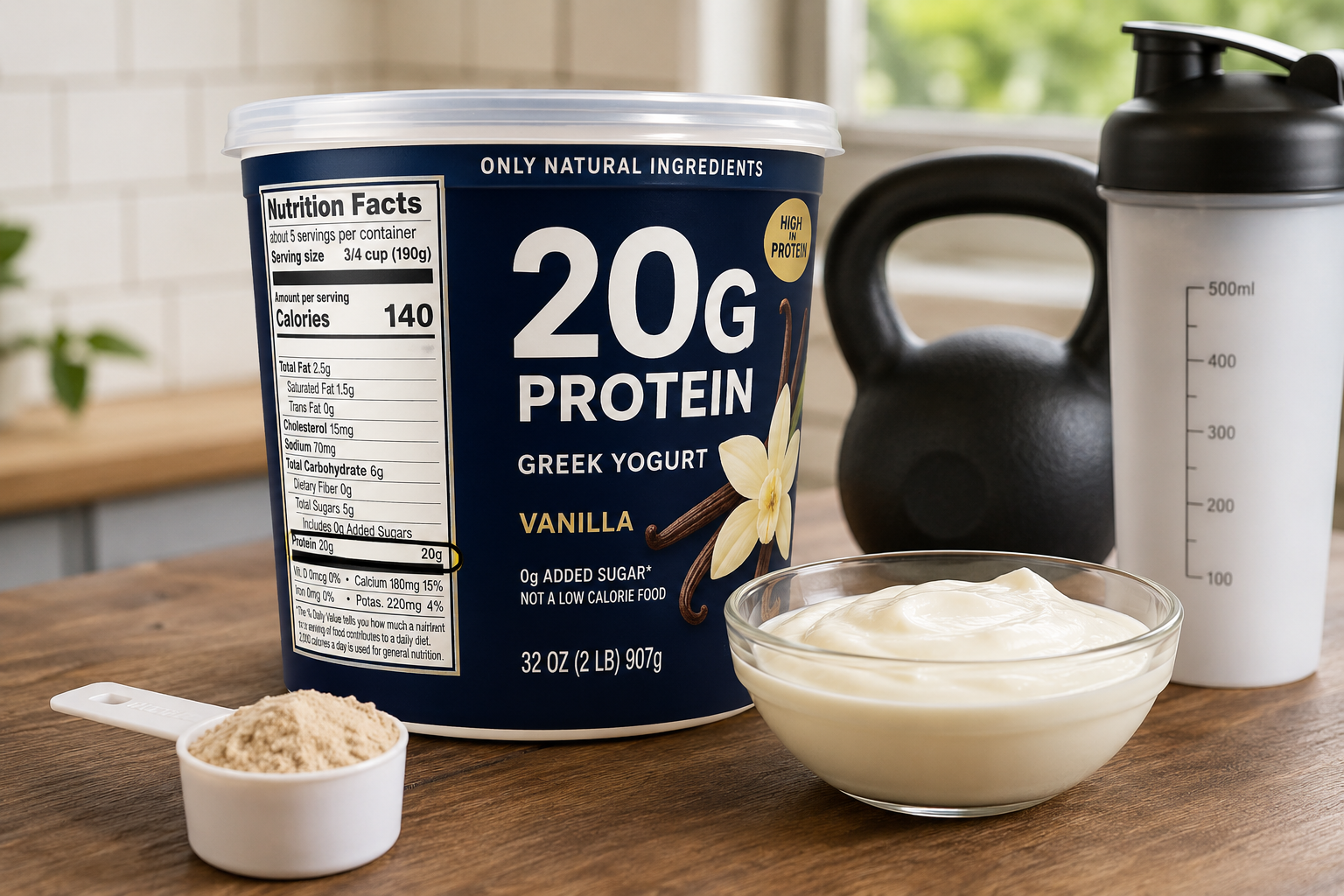
CASE NAME: Hale Knox v. Chobani, LLC
CASE NO.: 1:26-cv-05093
JURISDICTION: United States District Court for the Southern District of New York
FILED ON: June 16, 2026
CLASS DEFINITION: The lawsuit seeks to represent a nationwide class of consumers who purchased Chobani’s 32-ounce 20G Protein Yogurt for personal use, as well as a New York subclass of purchasers.
SUMMARY:
According to the complaint, Chobani falsely markets its 32-ounce “20G Protein” Greek yogurt by representing that it contains 20 grams of protein per serving when, under the plaintiff’s interpretation of FDA serving-size regulations, the product should be labeled as containing approximately 18 grams of protein per serving. The lawsuit alleges Chobani improperly inflated the serving size used for its multi-serving yogurt containers in order to reach the 20-gram threshold, allowing it to market the product as “20G Protein.” The plaintiff contends consumers rely heavily on protein-per-serving claims when purchasing yogurt and therefore paid a premium for a product that allegedly did not provide the advertised protein content when calculated using FDA-required serving size rules. The complaint seeks damages, restitution, injunctive relief, and class certification.
ALLEGATIONS:
According to the complaint, consumer demand for high-protein foods has grown substantially in recent years, with 20 grams of protein per serving becoming an important marketing benchmark across numerous food categories. The lawsuit alleges Chobani recognized this trend and introduced its “20G Protein” yogurt line to capitalize on consumer interest.
The complaint distinguishes between Chobani’s single-serving yogurt cups and its larger 32-ounce multi-serving tubs. It does not challenge the protein claims made for the single-serving containers because those products actually contain enough yogurt to provide 20 grams of protein per container. Instead, the lawsuit focuses exclusively on the 32-ounce multi-serving products.
The plaintiff alleges FDA regulations require serving sizes for multi-serving containers to be calculated using standardized reference amounts so consumers can fairly compare nutrition information across competing products. According to the complaint, Chobani allegedly departed from those regulations by using a serving size of three-quarters of a cup (190 grams) rather than what the plaintiff contends should have been one-half cup (approximately 169 grams after conversion under FDA rules).
Using what the complaint describes as the proper serving size calculation, the plaintiff alleges the yogurt would contain approximately 17.78 grams of protein per serving, which FDA rounding rules would permit to be declared as 18 grams rather than 20 grams. The lawsuit claims Chobani’s larger serving size inflates all per-serving nutritional values, including protein, by roughly 12.5%.
According to the complaint, Chobani prominently features “20G Protein” in the product name, packaging, website advertising, and social media marketing. The plaintiff alleges these representations reinforce consumers’ belief that the multi-serving yogurt legitimately provides 20 grams of protein per standardized serving, when the lawsuit contends that is not the case.
The complaint further alleges that consumers reasonably expect all yogurt manufacturers to follow the same FDA serving-size standards, allowing direct comparisons between competing products on grocery store shelves. The plaintiff claims Chobani’s alleged use of a different serving-size calculation gives its product an unfair competitive advantage while misleading consumers seeking higher-protein foods.
The named plaintiff, Hale Knox, alleges he purchased the 32-ounce Chobani yogurt several times in New York after relying on the protein claims displayed on the packaging. According to the complaint, had the product disclosed what the plaintiff contends was the correct protein content, he either would not have purchased the yogurt or would have paid less for it.
The lawsuit asserts claims under New York consumer protection statutes for deceptive business practices and false advertising, along with a claim for unjust enrichment. The plaintiff seeks certification of both a nationwide class and a New York subclass, monetary damages, restitution, attorneys’ fees, injunctive relief requiring corrected labeling, and other relief deemed appropriate by the court.

Leave a Reply