CASE NAME: Caryn Hart, Clare Erslev, and Anise Ivey v. Niagen Bioscience, Inc. and ChromaDex, Inc.
CASE NO.: 3:26-cv-03572-CAB-DEB
JURISDICTION: United States District Court for the Southern District of California
FILED ON: June 16, 2026
CLASS DEFINITION: The lawsuit seeks to represent a nationwide class of consumers who purchased Tru Niagen products during the applicable statutory period, along with separate California, Maryland, and Arizona subclasses.
SUMMARY:
A proposed class action alleges that Niagen Bioscience, Inc. and ChromaDex, Inc. deceptively marketed their Tru Niagen dietary supplements by claiming they were “clinically proven” to increase NAD+ levels and provide a wide range of anti-aging and health benefits without sufficient scientific support. According to the complaint, consumers paid premium prices because they believed the supplements had been validated through rigorous clinical research and would provide meaningful benefits such as improved cellular repair, heart health, brain health, muscle recovery, vitality, and healthy aging. The plaintiffs contend that advertising review decisions issued by the National Advertising Division (NAD) and later affirmed by the National Advertising Review Board (NARB) found that the cited scientific evidence did not substantiate many of the broad health claims conveyed to consumers. Plaintiffs seek damages, restitution, injunctive relief, and changes to the defendants’ marketing practices.
ALLEGATIONS:
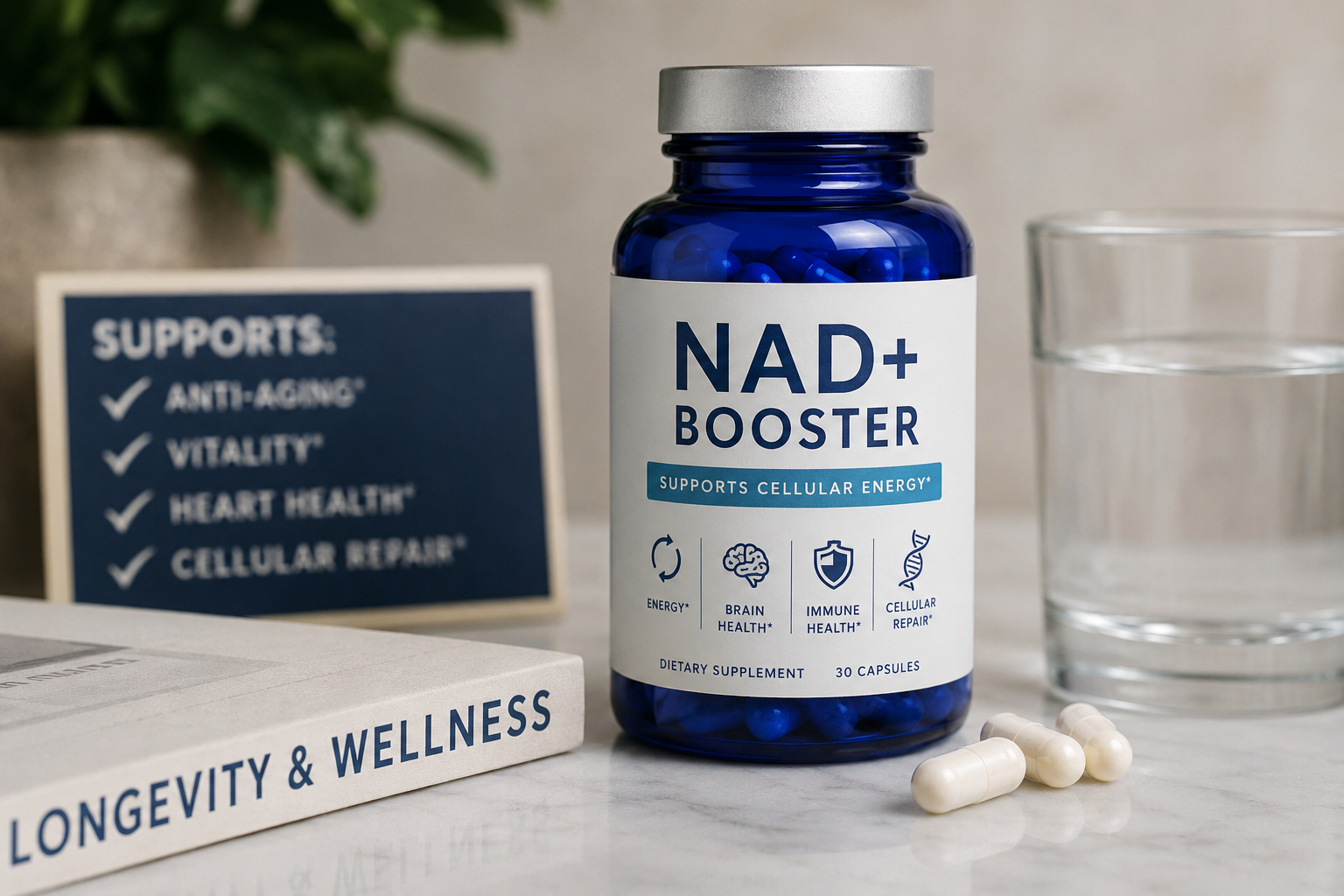
According to the complaint, Tru Niagen is marketed as a nicotinamide riboside (NR) supplement intended to increase levels of nicotinamide adenine dinucleotide (NAD+), a naturally occurring coenzyme involved in cellular energy production and DNA repair. The lawsuit alleges that the defendants capitalized on growing consumer interest in longevity, biohacking, and anti-aging by promoting Tru Niagen as a scientifically validated solution for maintaining youthful health and vitality.
The complaint alleges that defendants consistently represented across product packaging, websites, Amazon listings, social media, influencer campaigns, and other advertising that Tru Niagen was “clinically proven” to significantly increase NAD+ levels and deliver benefits including improved heart health, brain health, immune function, muscle recovery, cellular repair, energy production, and healthy aging. Plaintiffs contend that these claims created the impression that rigorous clinical studies had established meaningful health outcomes for consumers.
According to the lawsuit, the scientific evidence relied upon by the defendants does not support these broad representations. Plaintiffs cite findings by the National Advertising Division of BBB National Programs, which reportedly concluded that while some studies demonstrated increases in NAD+ biomarkers under certain circumstances, those findings did not establish that consumers would experience the broad functional health benefits promoted in the defendants’ advertising. The complaint further alleges that increases in cellular biomarkers do not necessarily translate into measurable improvements in anti-aging, cardiovascular health, cognitive function, or other advertised outcomes.
The complaint also references a subsequent appeal before the National Advertising Review Board, which allegedly affirmed the National Advertising Division’s conclusions and recommended that several health-related claims be discontinued or modified. According to the plaintiffs, despite these findings, the defendants continued to market Tru Niagen using similar “clinically proven” language and representations that implied established health benefits.
The three named plaintiffs allege they purchased Tru Niagen after reviewing the defendants’ advertising and relying on claims that the products were clinically proven to increase NAD+ levels and improve health. They state they paid premium prices because they believed the products were backed by reliable scientific evidence. Each plaintiff alleges that after using the supplements, they did not experience the advertised benefits and would not have purchased the products—or would have paid substantially less—had they known the products allegedly lacked adequate scientific support for the advertised claims.
The lawsuit asserts claims under California consumer protection statutes, including the Unfair Competition Law, Consumers Legal Remedies Act, False Advertising Law, and Song-Beverly Consumer Warranty Act, along with claims under Maryland and Arizona consumer protection laws on behalf of state subclasses. Plaintiffs seek certification of a nationwide class, restitution, damages, injunctive relief prohibiting the challenged marketing practices, attorneys’ fees, and other relief deemed appropriate by the court.
Leave a Reply