CASE NAME: Khangi, et al. v. Revlon Consumer Products LLC
CASE NO. 1:26-cv-5254
JURISDICTION: United States District Court, Southern District of New York
FILED ON: June 22, 2026
CLASS DEFINITION: All persons in New York and California who purchased Mitchum “Unscented” deodorant products for personal or household use during the applicable statutory periods.
SUMMARY:
A class action lawsuit alleges that Revlon Consumer Products LLC falsely markets its Mitchum “Unscented” deodorants as fragrance-free when, in reality, the products contain added fragrance ingredients. According to the complaint, this labeling misleads consumers who specifically seek unscented products due to health concerns, skin sensitivities, or personal preferences. Plaintiffs claim they relied on the “Unscented” label when purchasing the products and would not have bought them, or would have paid less, had they known the truth. The lawsuit seeks damages, restitution, and injunctive relief to stop the alleged deceptive practices.
ALLEGATIONS:
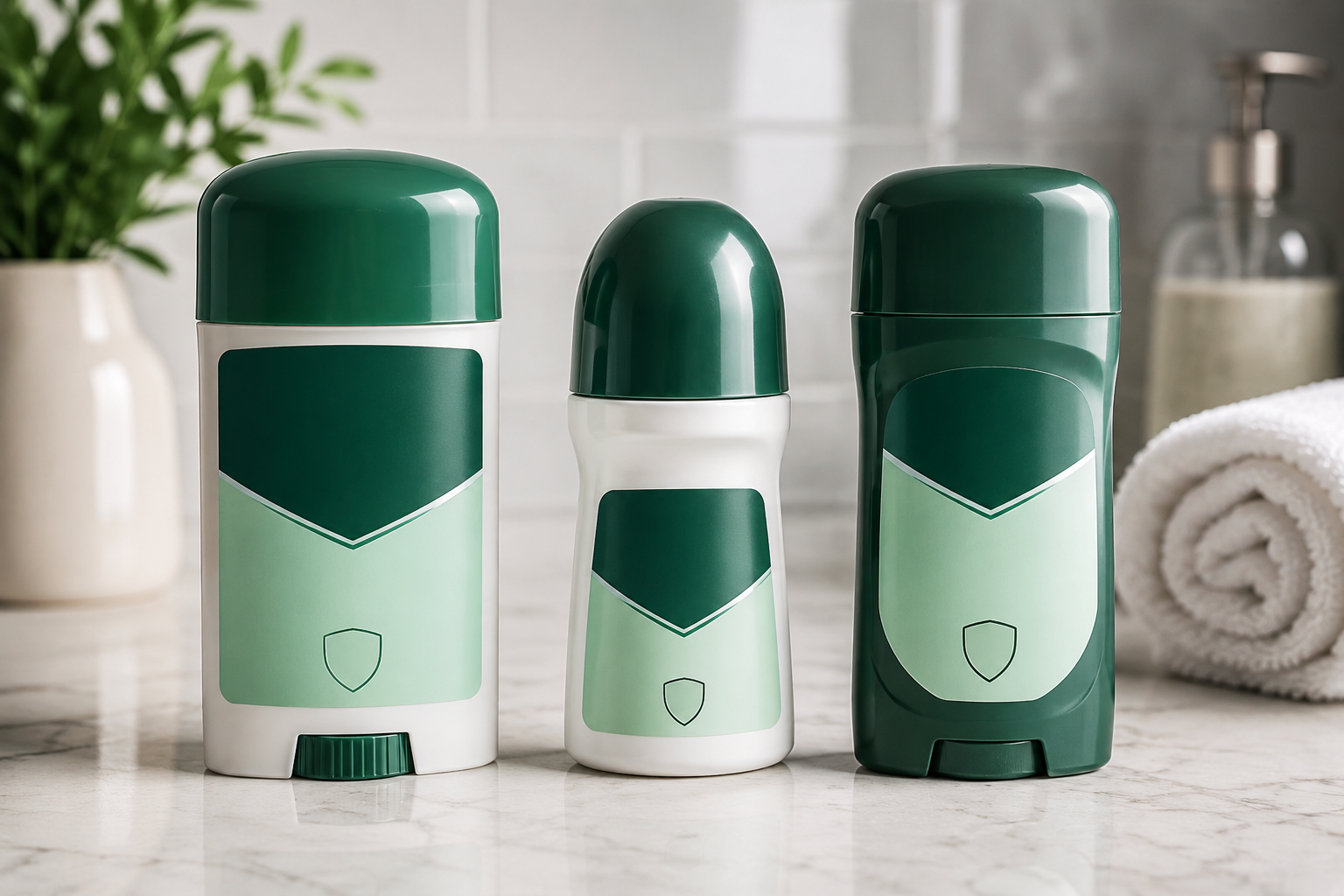
According to the complaint, Revlon manufactures and sells Mitchum deodorants labeled as “Unscented” in both gel and roll-on varieties. Plaintiffs allege that reasonable consumers interpret the term “unscented” to mean that a product contains no fragrance. However, the lawsuit claims that these deodorants include “parfum (fragrance)” as an ingredient, meaning they are not truly fragrance-free.
The complaint emphasizes that consumer demand for unscented personal care products has grown significantly due to increasing awareness of potential health risks associated with fragrance ingredients. These risks may include skin irritation, allergic reactions, and respiratory issues. As a result, consumers are often willing to pay a premium for products labeled as unscented. The lawsuit alleges that Revlon capitalized on this demand by prominently labeling its products as “Unscented,” despite their formulation შეიცaining fragrance.
Plaintiffs further claim that the presence of fragrance is not clearly disclosed to consumers at the point of purchase. While “parfum” may appear in the ingredient list, it is often buried in fine print among complex chemical names that consumers are unlikely to scrutinize. In the case of the roll-on product, the complaint alleges that the full ingredient list is partially hidden behind a peel-back label, making it even less likely that consumers will discover the inclusion of fragrance before purchasing.
The lawsuit also alleges that prior to approximately 2021, Mitchum “Unscented” deodorants did not contain added fragrance. Plaintiffs claim that Revlon changed the product formulation to include fragrance but continued to market the products as “Unscented” without adequately informing consumers of the change. The complaint cites consumer feedback and online reviews noting the discrepancy between the labeling and the product’s actual scent.
The named plaintiffs—Maria Khangi, Lloyd Songer, and Nicole Flick—each allege that they purchased the products believing they were fragrance-free. They claim they relied on the “Unscented” label and did not notice the inclusion of fragrance in the ingredient list. As a result, they assert they were misled and suffered economic harm because the products were worth less than what they paid or would not have been purchased at all absent the alleged misrepresentation.
Additionally, the complaint alleges that Revlon’s labeling practices allowed the company to charge higher prices and gain a competitive advantage in the deodorant market. Plaintiffs contend that this conduct violates various consumer protection laws, including those prohibiting false advertising and deceptive business practices in New York and California.
The lawsuit seeks certification of a class action, monetary damages, restitution, and injunctive relief to prevent Revlon from continuing to market the products as “Unscented” unless they are truly free of fragrance. Plaintiffs also request corrective advertising and other equitable remedies.
Leave a Reply