CASE NAME: Finek et al. v. Target Corporation
CASE NO.: 1:26-cv-06966
JURISDICTION: United States District Court, Northern District of Illinois
FILED ON: June 12, 2026
CLASS DEFINITION: All consumers in the United States who purchased Up & Up fragrance-free or cucumber-scented baby wipes during the applicable limitations period, with an Illinois subclass.
SUMMARY:
According to the complaint, Target Corporation allegedly misled consumers by failing to disclose that certain Up & Up baby wipes products were contaminated with harmful bacteria, including Burkholderia cepacia complex and Burkholderia gladioli. The lawsuit claims that consumers reasonably expect baby wipes—particularly those marketed as safe, hypoallergenic, and suitable for infants—to be free from dangerous contaminants. However, the complaint alleges that the products contained or were at risk of containing these bacteria, which can cause serious and potentially life-threatening infections, especially in infants and immunocompromised individuals. As a result, consumers allegedly purchased products they would not have bought, or would have paid less for, had the risks been disclosed.
ALLEGATIONS:
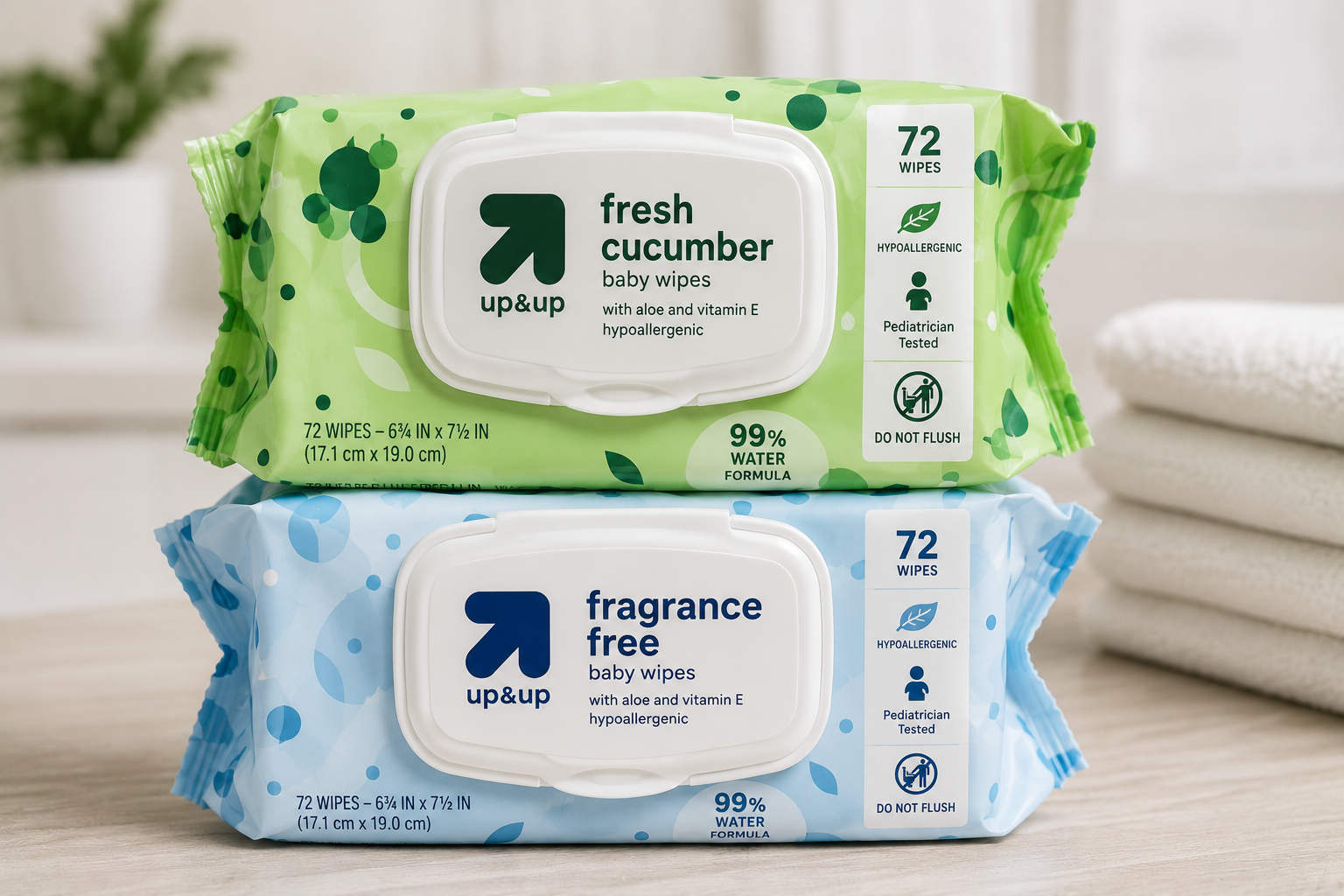
The lawsuit alleges that Target manufactures, markets, and sells Up & Up branded baby wipes, including fragrance-free and fresh cucumber scented varieties, which are widely used by infants, young children, and adults. The complaint states that these products are marketed as safe and gentle, with claims such as “hypoallergenic,” “pediatrician and dermatologist tested,” and “99% water formula.”
According to the complaint, these representations are misleading because the products were contaminated with, or at risk of containing, Burkholderia cepacia complex and Burkholderia gladioli. These bacteria are described as potentially dangerous, particularly for newborns and young children with developing immune systems. As noted in the complaint and supported by FDA guidance referenced on page 2, exposure to these bacteria can result in serious infections, including bloodstream infections, pneumonia, and sepsis.
The complaint alleges that Target failed to disclose the presence or risk of these bacteria anywhere on the product packaging. As illustrated in the product images on page 3, the packaging highlights product benefits but does not include any warnings or disclosures regarding contamination. The plaintiffs argue that reasonable consumers rely on packaging to ensure that baby products are safe and free from harmful substances.
The lawsuit further claims that Target had superior knowledge regarding the manufacturing process and the risks of bacterial contamination but did not disclose this information to consumers. According to the complaint, consumers cannot independently test products for contamination and must rely on manufacturers to provide accurate safety information.
Although Target issued a recall on June 4, 2026, the complaint alleges that the recall was inadequate. The lawsuit claims that the recall instructed consumers to stop using the products immediately but did not effectively ensure that consumers received refunds. As described on page 4, many consumers may have discarded the products without retaining receipts, making it difficult to obtain reimbursement.
The plaintiffs allege that Target’s omissions were material to purchasing decisions because consumers would not knowingly buy baby wipes contaminated with harmful bacteria. The complaint asserts that the products were effectively worthless or worth significantly less than what consumers paid, resulting in economic harm.
Additionally, the lawsuit claims that Target’s marketing created a false sense of safety by emphasizing gentle and safe attributes while omitting critical risk information. The plaintiffs argue that this conduct allowed Target to charge a premium price for products that did not meet consumer expectations.
The complaint brings claims including negligence, unjust enrichment, violations of the Illinois Consumer Fraud and Deceptive Business Practices Act, deceptive trade practices, and breach of express and implied warranties. The plaintiffs seek damages, restitution, injunctive relief, and other remedies on behalf of themselves and the proposed class.
Leave a Reply