
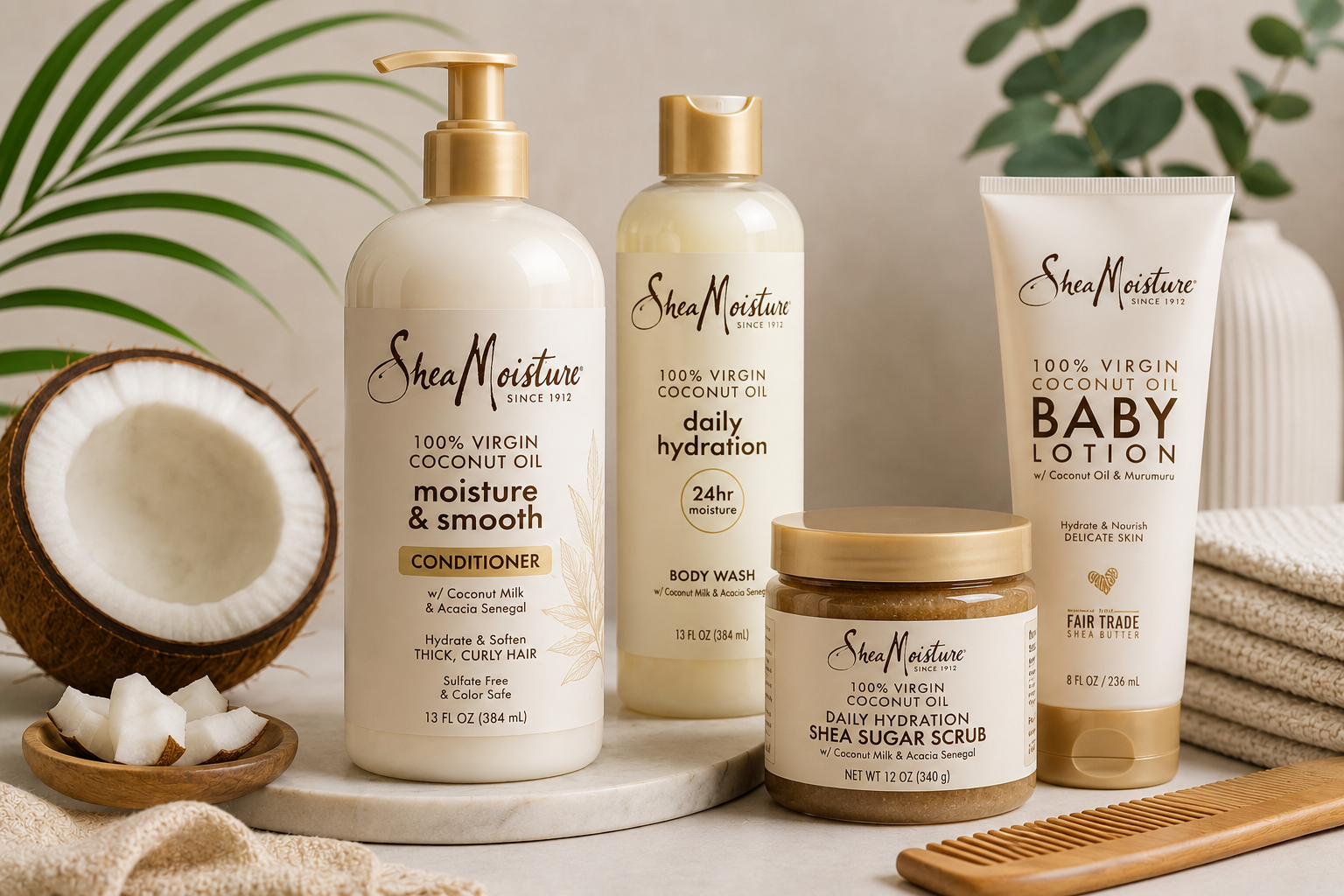
CASE NAME: Yuryeva v. Sundial Brands LLC
CASE NO.: 2:26-cv-06387
JURISDICTION: United States District Court, Central District of California
FILED ON: June 11, 2026
CLASS DEFINITION: All persons who purchased SheaMoisture products in California bearing the “100% Virgin Coconut Oil” representation for personal use during the applicable limitations period.
SUMMARY:
According to the complaint, Sundial Brands LLC allegedly misled consumers by labeling various SheaMoisture hair, body, and baby care products as “100% Virgin Coconut Oil” despite the products not being composed entirely or predominantly of coconut oil. The lawsuit claims that reasonable consumers interpret this labeling to mean the products are primarily made from virgin coconut oil, a premium ingredient associated with natural and high-quality personal care products. However, the complaint alleges that ingredient lists show coconut oil is only a minor component in these products. As a result, consumers were allegedly deceived into paying a premium price for products that did not match their advertised composition.
ALLEGATIONS:
The lawsuit alleges that Sundial Brands prominently displays the phrase “100% Virgin Coconut Oil” on the front labels of a wide range of SheaMoisture products, including shampoos, conditioners, body washes, lotions, and baby care items. As shown in the product images on page 6, the labeling is featured prominently and is intended to influence consumer purchasing decisions at the point of sale.
According to the complaint, this representation is misleading because it conveys that the products are made entirely or primarily from virgin coconut oil. The plaintiff alleges that reasonable consumers interpret “100%” as an objective, quantitative claim about the product’s composition, rather than a general marketing statement.
However, the complaint points to ingredient lists demonstrating that coconut oil is not the primary ingredient in these products. As detailed in the tables on pages 7–8, coconut oil appears as low as the 12th ingredient in some products and is never listed as the dominant ingredient. For example, coconut oil is reportedly the seventh ingredient in certain conditioners and the tenth in body lotions, indicating that it constitutes only a small portion of the formulation.
The lawsuit further alleges that Sundial Brands knows how to properly qualify ingredient claims when it chooses to do so. The complaint notes that other ingredients on the same packaging are described using phrases such as “with” or “made with,” while coconut oil is uniquely presented with the unqualified “100%” claim. This contrast, according to the plaintiff, reinforces the misleading nature of the labeling.
Additionally, the complaint asserts that Sundial sells other products that are actually composed primarily of coconut oil, such as a separate “100% Extra Virgin Coconut Oil” product. By using similar labeling across multi-ingredient products, the defendant allegedly blurs the distinction between pure coconut oil products and those that merely contain it as one ingredient.
The plaintiff claims that consumers rely heavily on front-label statements and should not be required to scrutinize detailed ingredient lists to determine whether prominent claims are accurate. The lawsuit alleges that the back-label disclosures do not cure the deception created by the front-label representation.
According to the complaint, the “100% Virgin Coconut Oil” claim is material because consumers value coconut oil as a premium, natural ingredient and are willing to pay higher prices for products that prominently feature it. The plaintiff alleges that Sundial capitalized on this demand by using the claim to differentiate its products and justify a higher price point.
The named plaintiff alleges that she purchased one of the products relying on the labeling and would not have done so, or would have paid less, had she known the true composition. The lawsuit claims that consumers suffered economic harm by overpaying for products that did not deliver the advertised qualities.
The complaint brings claims under California consumer protection laws, including the Consumers Legal Remedies Act, False Advertising Law, and Unfair Competition Law, as well as breach of express warranty. The plaintiff seeks damages, restitution, injunctive relief, and other remedies.

Leave a Reply