
CASE NAME: Yuryeva v. The Procter & Gamble Company
CASE NO.: 2:26-cv-05821
JURISDICTION: United States District Court, Central District of California
FILED ON: May 29, 2026
CLASS DEFINITION: All persons who purchased Always-branded menstrual pads in California bearing “up to 100% leak-free” or similar leak-prevention claims during the applicable limitations period.
SUMMARY:
According to the complaint, The Procter & Gamble Company allegedly misled consumers by marketing its Always-branded menstrual pads as providing “up to 100% leak-free protection” and similar claims, despite the products not delivering complete leak prevention in real-world use. The lawsuit asserts that these representations communicate an objective and measurable promise of total or near-total leak protection, which is central to consumers’ purchasing decisions. However, the complaint alleges that leakage is a routine occurrence and that the “up to” qualifier fails to adequately limit or clarify the claim. As a result, consumers were allegedly deceived into paying a premium for products that do not perform as advertised.
ALLEGATIONS:
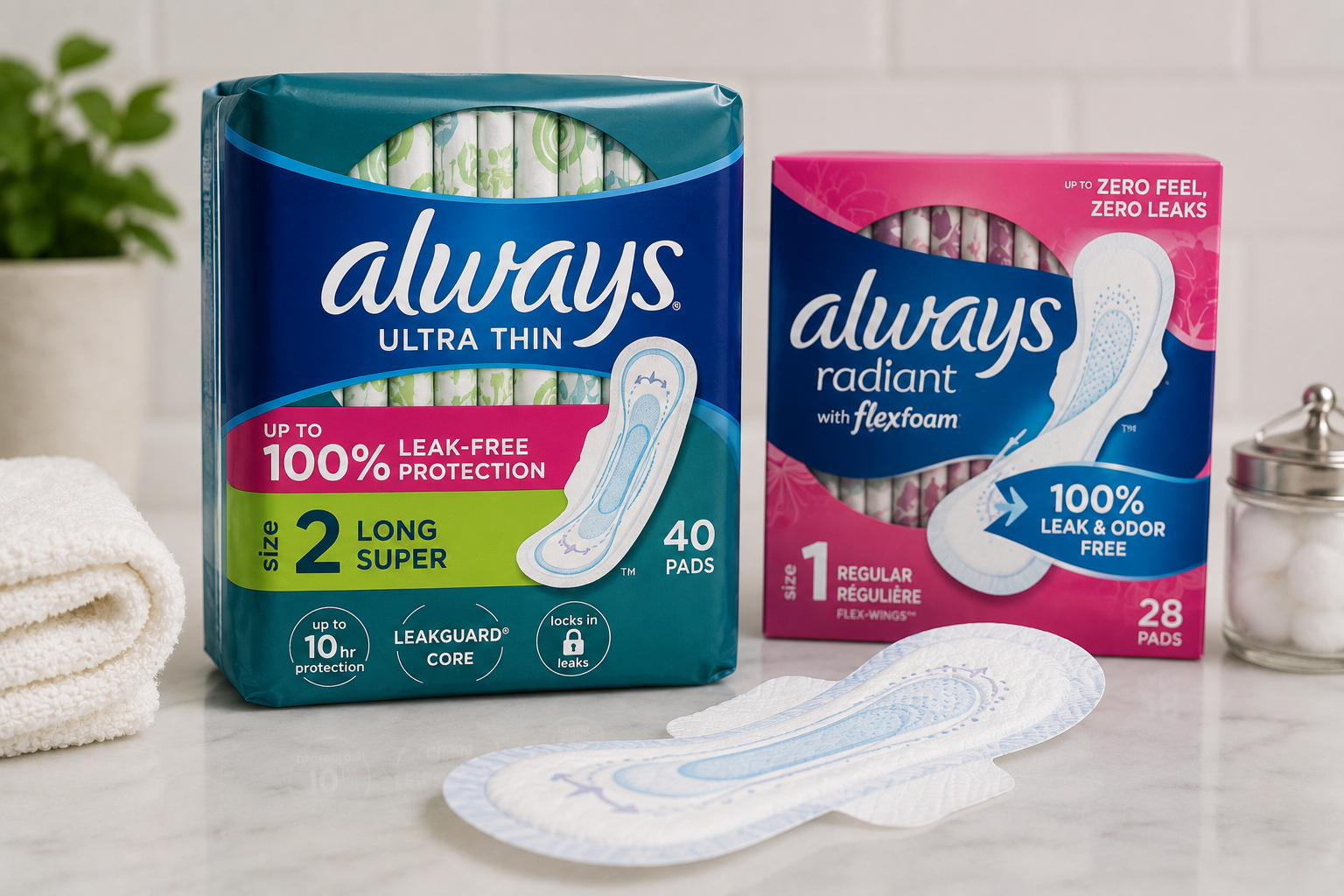
The lawsuit alleges that Procter & Gamble engaged in false and misleading advertising by prominently labeling its Always products with claims such as “up to 100% leak-free protection,” “100% leak-free comfort,” and “up to zero leaks.” These representations appear consistently across packaging, advertising, and online listings and are central to the product’s marketing.
As illustrated in the product images on pages 7–8, the packaging emphasizes “100% leak-free” messaging in bold and prominent text, often accompanied by reinforcing phrases such as “all day protection,” “zero leaks,” and “max protection.” The complaint alleges that these statements create a strong net impression that the products will reliably prevent leaks under normal use conditions.
According to the complaint, these claims are misleading because the products do not, in fact, provide complete leak-free performance. The plaintiff alleges that leakage occurs frequently during ordinary use and that consumers, including the named plaintiff, have experienced leaks despite relying on the advertised claims.
The lawsuit further contends that the “up to” qualifier does not cure the alleged deception. The complaint argues that the phrase “up to 100% leak-free” is effectively meaningless because any product could theoretically achieve 100% performance under ideal conditions. Moreover, the qualifier is allegedly less prominent than the “100% leak-free” claim and does not disclose critical information such as the conditions, frequency, or likelihood under which such performance might be achieved.
The plaintiff also alleges that reasonable consumers interpret “100% leak-free” claims as promising complete or virtually complete protection during typical use, not as a theoretical maximum achievable only under undisclosed or atypical circumstances. The complaint asserts that consumers do not expect such claims to be conditional, rare, or dependent on specific variables such as flow level, body movement, or duration of use.
Additionally, the lawsuit argues that the brand name “Always” reinforces the misleading impression when paired with absolute performance claims. According to the complaint, the combination of the brand name and “100% leak-free” language suggests consistent and reliable protection without exception.
The complaint emphasizes that leak prevention is the primary purpose of menstrual pads and a key factor influencing consumer purchasing decisions. As such, the alleged misrepresentations are material and allowed the defendant to charge a premium price compared to competing products.
The plaintiff claims she relied on these representations when purchasing the products and experienced leaks during use. She alleges that she would not have purchased the products, or would have paid less, had she known the truth about their performance.
The lawsuit brings claims under California consumer protection laws, including the Consumers Legal Remedies Act, Unfair Competition Law, and False Advertising Law, as well as breach of express warranty. The plaintiff seeks damages, restitution, injunctive relief, and other remedies on behalf of herself and the proposed class.
Leave a Reply