CASE NAME: Jacobs v. Niagen Bioscience, Inc. et al.
CASE NO.: 8:26-cv-01365
JURISDICTION: United States District Court, Central District of California
FILED ON: May 28, 2026
CLASS DEFINITION: All persons nationwide who purchased Tru Niagen dietary supplements during the applicable statutory period, with a California subclass of purchasers within the state.
SUMMARY:
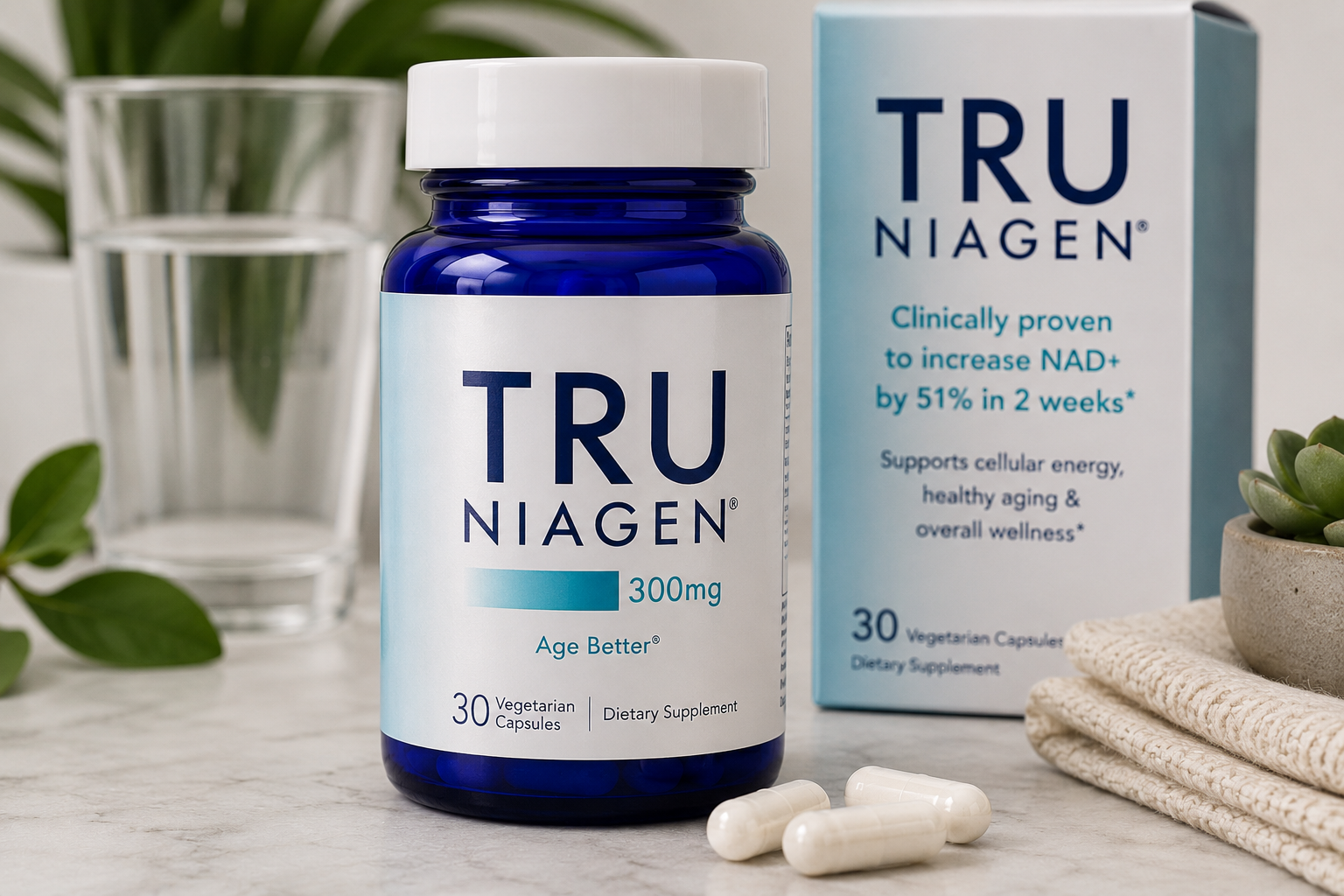
According to the complaint, Niagen Bioscience, Inc. and ChromaDex, Inc. allegedly misled consumers by marketing their Tru Niagen dietary supplements as “clinically proven” to deliver broad anti-aging and health benefits, including improved energy, cognition, and cellular repair. The lawsuit claims that while the product may increase NAD+ levels, the defendants improperly translated these biomarker findings into promises of real-world health outcomes that are not supported by reliable human clinical evidence. The complaint further alleges that consumers relied on these claims and paid a premium price for a product that did not provide the advertised benefits.
ALLEGATIONS:
The lawsuit alleges that Niagen Bioscience and ChromaDex engaged in a widespread marketing campaign promoting Tru Niagen supplements as scientifically validated “longevity” products capable of delivering meaningful anti-aging and health benefits. The complaint states that defendants emphasized claims such as “clinically proven” and used scientific terminology like “cellular repair,” “healthy aging,” and “cellular energy” to appeal to health-conscious consumers.
According to the complaint, these representations are misleading because they are based primarily on biomarker data—specifically, the product’s ability to increase NAD+ levels—rather than evidence demonstrating actual functional health improvements in humans. The lawsuit explains that while NAD+ is a coenzyme involved in cellular processes, increases in NAD+ do not necessarily translate into tangible benefits such as improved cognition, cardiovascular health, or anti-aging effects.
The complaint highlights that defendants repeatedly linked NAD+ increases to a wide range of health outcomes, including vitality, immune support, muscle recovery, and energy production. As shown in the Amazon product page image on page 9, the product was marketed as a “NAD+ booster” backed by scientific research, reinforcing the perception of clinically proven benefits.
The lawsuit further alleges that defendants’ advertising extended beyond packaging to include websites, social media, influencer endorsements, testimonials, and subscription marketing programs. These materials allegedly conveyed that Tru Niagen had been clinically demonstrated to produce real-world improvements in health and aging. The advertisement shown on page 11 promotes the product as helping users “age better” and emphasizes clinical proof, which the complaint claims reinforces misleading impressions.
According to the complaint, independent review bodies challenged these claims. The National Advertising Division (NAD) and the National Advertising Review Board (NARB) reportedly concluded that the defendants’ advertising conveyed misleading messages and recommended discontinuing or modifying claims related to anti-aging, vitality, and other health benefits. The lawsuit alleges that these findings confirm that defendants overstated the scientific support for their products.
The complaint also alleges that testimonials and influencer marketing contributed to the deception by suggesting that consumers would experience noticeable improvements in energy, recovery, and overall health. As illustrated in the consumer messaging shown on page 13, marketing materials encouraged consumers to expect benefits within weeks or months, which the plaintiff claims are not supported by reliable clinical evidence.
The plaintiff asserts that defendants were aware of the limitations of their scientific evidence but continued to market the products using broad and definitive claims. According to the complaint, this conduct allowed defendants to position Tru Niagen as a premium supplement and charge higher prices than comparable products.
The plaintiff alleges that she purchased Tru Niagen based on these representations and would not have done so, or would have paid less, had she known the truth. The lawsuit claims that consumers were financially harmed by paying a “clinically proven” and anti-aging price premium for a product that did not deliver the promised benefits.
The complaint brings claims under California consumer protection laws, including the Unfair Competition Law and False Advertising Law, as well as claims for fraud, unjust enrichment, and breach of express warranty. The plaintiff seeks damages, restitution, injunctive relief, and other remedies.
Leave a Reply