
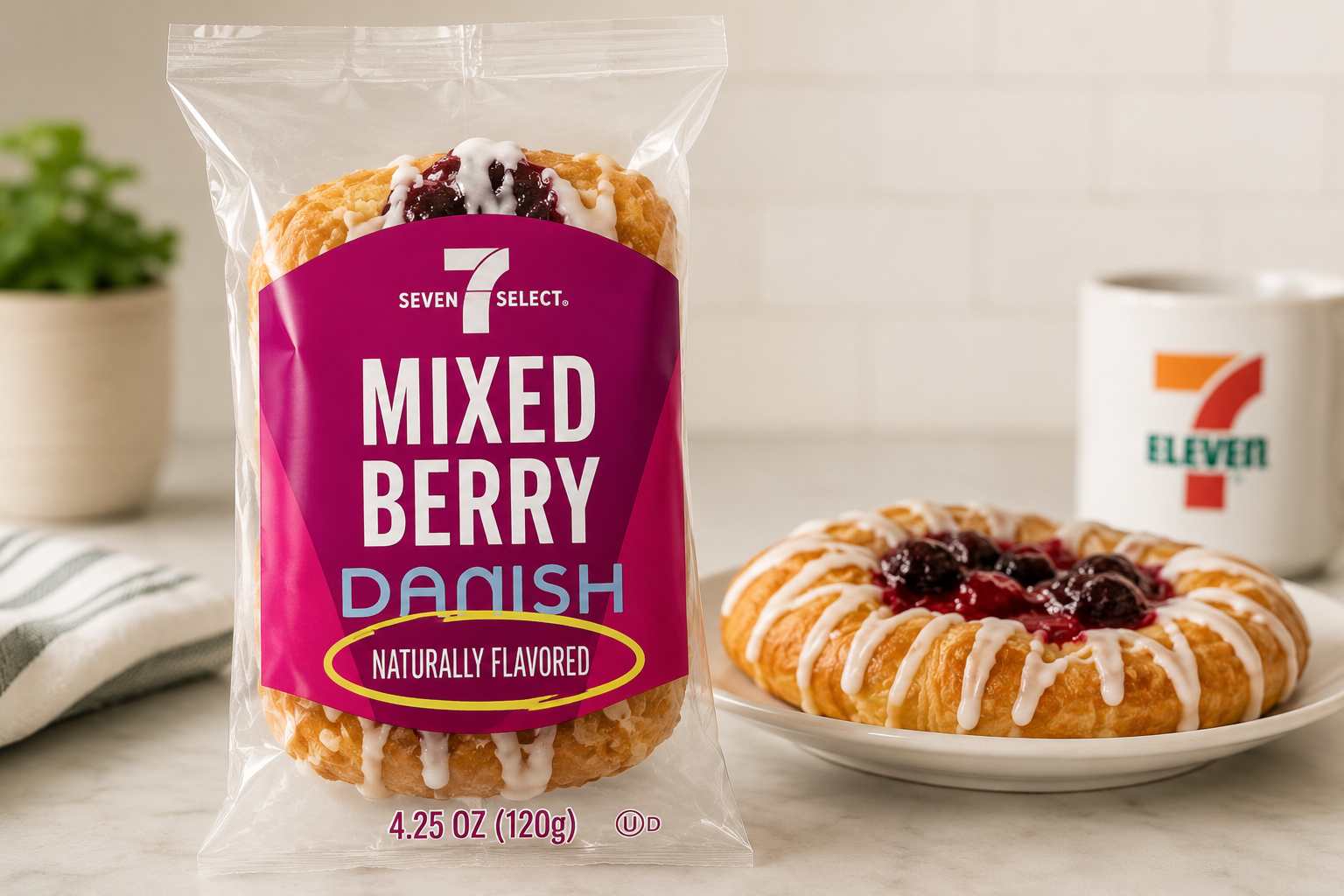
CASE NAME: Walsh et al. v. 7-Eleven, Inc.
CASE NO.: Not specified
JURISDICTION: Superior Court for the State of California, County of Los Angeles
FILED ON: Not specified
CLASS DEFINITION: All persons in the United States who purchased Seven Select “naturally flavored” pastry products, with a California subclass of purchasers within the state during the applicable limitations period.
SUMMARY:
According to the complaint, 7-Eleven, Inc. allegedly misled consumers by labeling its Seven Select pastry products as “naturally flavored” despite containing manufactured citric acid, which the plaintiff claims is an artificial flavoring ingredient. The lawsuit asserts that reasonable consumers rely on “naturally flavored” claims to avoid synthetic additives and are willing to pay a premium for such products. However, the complaint contends that the presence of chemically processed citric acid contradicts this representation, rendering the labeling false and deceptive. As a result, consumers allegedly purchased products they otherwise would not have bought or would have paid less for.
ALLEGATIONS:
The lawsuit alleges that 7-Eleven falsely marketed its Seven Select branded pastries—including products like the Mixed Berry Danish shown in the product image on page 4—as “naturally flavored,” a claim prominently displayed on the front of the packaging. The complaint asserts that this representation leads reasonable consumers to believe the products contain only natural flavoring ingredients and no artificial additives.
According to the complaint, this representation is misleading because the products contain citric acid, which the plaintiff alleges functions as a flavoring agent. As explained in the FDA excerpt shown on page 8, citric acid is recognized as a “flavor enhancer” or “flavoring agent,” meaning it directly impacts the taste profile of food. The lawsuit argues that regardless of the manufacturer’s intent, citric acid inherently alters flavor and therefore qualifies as a flavoring ingredient.
The complaint further alleges that the citric acid used in the products is not naturally derived in the way consumers would expect. Instead, it is manufactured through industrial fermentation using the mold Aspergillus niger and processed with chemical solvents. The manufacturing diagrams and facility images on pages 10–12 illustrate this multi-step industrial process, which the plaintiff claims distinguishes the ingredient from naturally occurring citric acid found in fruits.
Based on this production method, the lawsuit contends that the citric acid used in the products qualifies as an artificial ingredient. The complaint cites regulatory guidance and prior FDA warning letters indicating that products containing synthetic citric acid may not be appropriately labeled as “natural.” Courts have also recognized that such ingredients may render “natural” claims misleading, according to the complaint.
The plaintiff alleges that 7-Eleven knowingly used the “naturally flavored” claim to appeal to consumer demand for cleaner, more natural food products. The complaint states that consumers increasingly seek products free from artificial additives and rely heavily on front-label representations when making purchasing decisions. Because consumers typically spend only seconds evaluating products and rarely review detailed ingredient lists, they are more likely to rely on prominent claims like “naturally flavored.”
According to the complaint, the plaintiffs purchased the products believing they contained only natural flavoring ingredients and would not have done so, or would have paid less, had they known the truth. The lawsuit claims that this alleged misrepresentation caused economic harm by inducing consumers to pay a price premium for products that did not meet their expectations.
The complaint brings claims under California consumer protection statutes, including the Unfair Competition Law, False Advertising Law, and Consumers Legal Remedies Act, as well as claims for breach of warranty, misrepresentation, and unjust enrichment. The plaintiffs seek damages, restitution, injunctive relief, and other remedies to stop the alleged deceptive practices and compensate affected consumers.

Leave a Reply