
CASE NAME: Vivanco v. The Hain Celestial Group Inc.
CASE NO.: Not specified
JURISDICTION: United States District Court, Eastern District of California
FILED ON: May 28, 2026
CLASS DEFINITION: All persons in the United States who purchased the defendant’s snack products labeled as containing “No Artificial Preservatives,” along with various state subclasses including a California subclass.
SUMMARY:
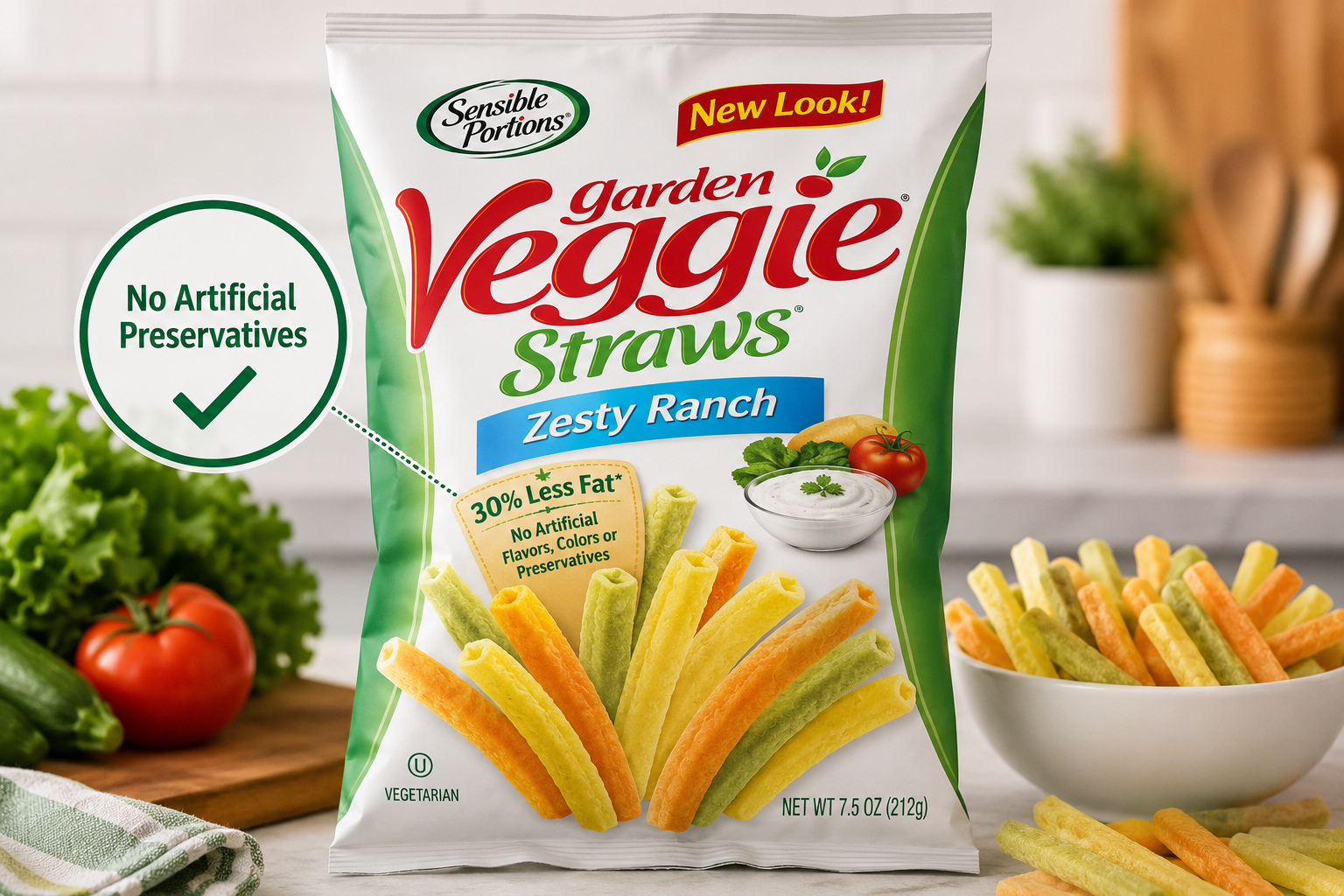
According to the complaint, The Hain Celestial Group Inc. allegedly misled consumers by labeling certain Garden Veggie Straws products as containing “No Artificial Preservatives” despite including manufactured citric acid, which the plaintiff claims qualifies as an artificial preservative. The lawsuit asserts that reasonable consumers rely on such labeling when selecting snack products and are willing to pay a premium for items marketed as free from artificial additives. The plaintiff contends that the presence of manufactured citric acid contradicts these representations, rendering the labeling false and deceptive and causing consumers to purchase products they otherwise would not have bought or would have paid less for.
ALLEGATIONS:
The lawsuit alleges that Hain Celestial falsely advertised its Garden Veggie Straws products by prominently stating on the front packaging that the snacks contain “No Artificial Preservatives.” As shown in the product image on page 5, the label conveys a clear message to consumers that the product is free from synthetic additives.
According to the complaint, this representation is misleading because the products contain manufactured citric acid, which the plaintiff alleges is an artificial preservative. The lawsuit explains that although citric acid can occur naturally in fruits, the form used in processed foods is typically produced الصناعية through industrial fermentation involving the mold Aspergillus niger. This manufacturing process, described in detail in the complaint and illustrated in the process diagram on page 8, involves chemical treatments and synthetic solvents, distinguishing it from naturally occurring citric acid.
The plaintiff further alleges that regulatory authorities and industry guidance recognize citric acid as a preservative. The complaint cites federal regulations defining preservatives as chemicals that prevent food deterioration and notes that citric acid is commonly listed among such substances. As a result, the lawsuit claims that labeling the products as free from artificial preservatives is inconsistent with their actual composition.
In addition, the complaint asserts that the method of producing manufactured citric acid renders it artificial under ordinary consumer understanding. The plaintiff points to definitions of “artificial” as something made or produced by human processes, and argues that the industrial fermentation and chemical extraction processes used to create citric acid fall squarely within that definition.
The lawsuit also alleges that consumers are particularly sensitive to claims about artificial ingredients and often seek out products labeled as free from such additives for health and wellness reasons. The plaintiff claims that Hain Celestial exploited this consumer preference by prominently featuring the “No Artificial Preservatives” claim on packaging and in marketing materials.
According to the complaint, the plaintiff relied on this representation when purchasing the product and would not have bought it, or would have paid less, had he known that it contained manufactured citric acid. The lawsuit alleges that this conduct caused economic harm to consumers who paid a premium for products they believed met certain ingredient standards.
The complaint brings multiple claims, including violations of California consumer protection laws, false advertising, breach of express and implied warranties, negligent and intentional misrepresentation, and unjust enrichment. The plaintiff seeks damages, restitution, injunctive relief, and other remedies on behalf of himself and a nationwide class of purchasers.
Leave a Reply