
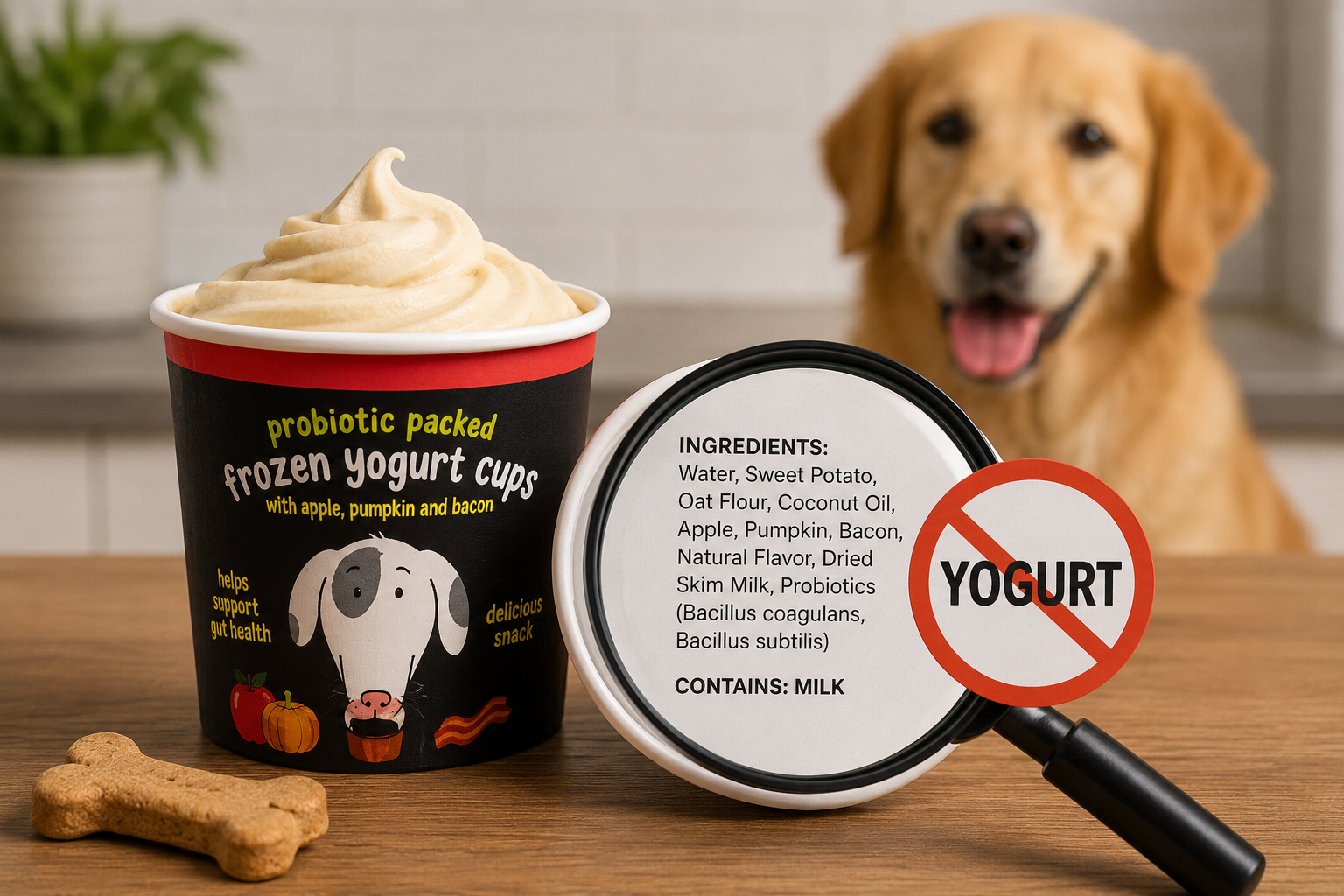
CASE NAME: Klos v. TBD Brands, LLC
CASE NO.: 1:26-cv-03456
JURISDICTION: United States District Court, Eastern District of New York
FILED ON: June 9, 2026
CLASS DEFINITION: All persons who purchased the defendant’s YöPup Frozen Yogurt Cups in the State of New York during the applicable statute of limitations period.
SUMMARY:
According to the complaint, TBD Brands, LLC allegedly misled consumers by marketing its YöPup Frozen Yogurt Cups as containing yogurt when, in fact, the products do not meet the federal definition of yogurt. The lawsuit claims that reasonable consumers relied on labeling that prominently described the treats as “Frozen Yogurt Cups,” believing they contained yogurt and its associated health benefits. The plaintiff contends that independent laboratory testing confirmed the absence of the specific bacterial cultures required for a product to qualify as yogurt, rendering the labeling false and deceptive. As a result, consumers allegedly paid a premium for a product that did not deliver the qualities they were led to expect.
ALLEGATIONS:
The lawsuit alleges that TBD Brands, LLC engaged in deceptive labeling and advertising practices by representing its YöPup Frozen Yogurt Cups as containing yogurt. The product packaging prominently features the phrase “Frozen Yogurt Cups,” which the complaint asserts conveys to reasonable consumers that the product includes yogurt as commonly understood.
According to the complaint, yogurt has a well-established definition under federal regulations. Specifically, yogurt must be produced by culturing dairy ingredients with two particular types of lactic acid-producing bacteria: Lactobacillus delbrueckii subsp. bulgaricus and Streptococcus thermophilus. These bacteria are essential to the fermentation process that creates yogurt and are widely associated with its health benefits.
The plaintiff alleges that independent testing conducted by a certified laboratory found that the defendant’s products do not contain these required bacteria. The testing reportedly used advanced DNA sequencing techniques capable of detecting even trace amounts of microorganisms, yet neither of the defining yogurt cultures was identified. Based on these findings, the complaint asserts that the products do not meet the federal standard of identity for yogurt and therefore cannot accurately be labeled as such.
Further supporting this claim, the complaint points to the product’s ingredient and microorganism disclosures, which list other probiotic strains but do not include the specific bacteria required for yogurt. The plaintiff argues that this omission reinforces the conclusion that the products are not yogurt despite being marketed as such.
The lawsuit also alleges that the defendant intentionally capitalized on the perceived health benefits associated with yogurt. The complaint describes a “health halo” effect, where consumers are more likely to view products labeled as containing yogurt as healthier and more beneficial, particularly for pets. The plaintiff claims that this perception influenced purchasing decisions and allowed the defendant to charge a premium price.
In addition to packaging claims, the complaint alleges that the defendant reinforced the yogurt representation through its website and online product descriptions. These materials reportedly emphasized the benefits of yogurt and suggested that the products contained yogurt as a primary ingredient, further misleading consumers.
The plaintiff states that she purchased the product relying on the “Frozen Yogurt” labeling and would not have bought it, or would have paid less, had she known it did not contain yogurt. The lawsuit claims that this conduct constitutes violations of New York’s consumer protection laws, including deceptive acts and false advertising statutes, as well as breach of express warranty and fraud.
As a result of these alleged misrepresentations, the plaintiff and proposed class members seek damages, restitution, and other relief, asserting that they were financially harmed by paying for a product that did not conform to its advertised qualities.

Leave a Reply