
CASE INFORMATION:
Case Name: Terri Coprew v. KIND LLC
Case No.1:26-cv-07380
Jurisdiction: United States District Court for the Southern District of New York
File Date: 08/28/26
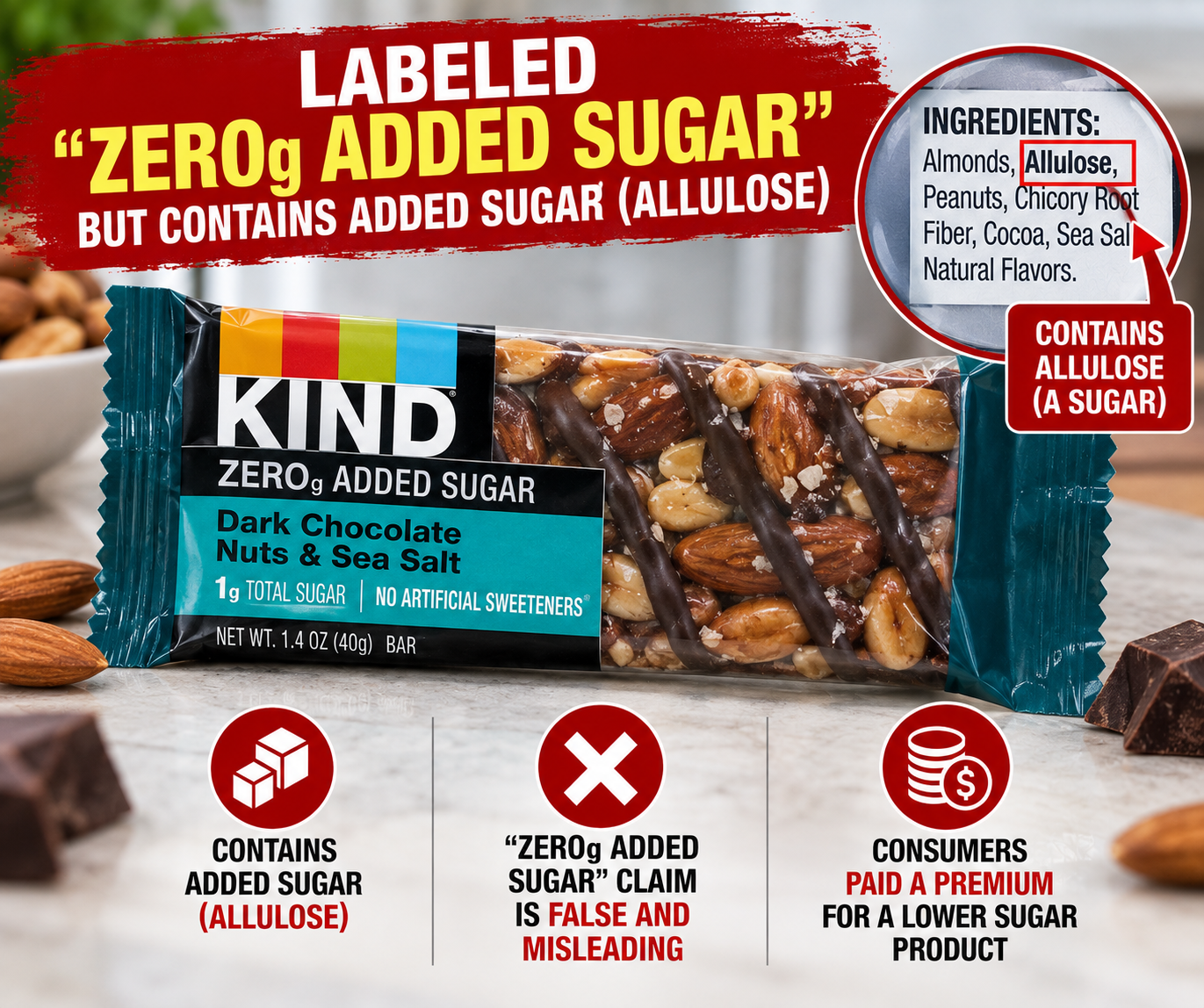
Class Definition: All consumers who purchased KIND Zero Added Sugar nut bars that were labeled with “ZERO g ADDED SUGAR” but allegedly contained added allulose, including consumers nationwide and particularly in California.
SUMMARY
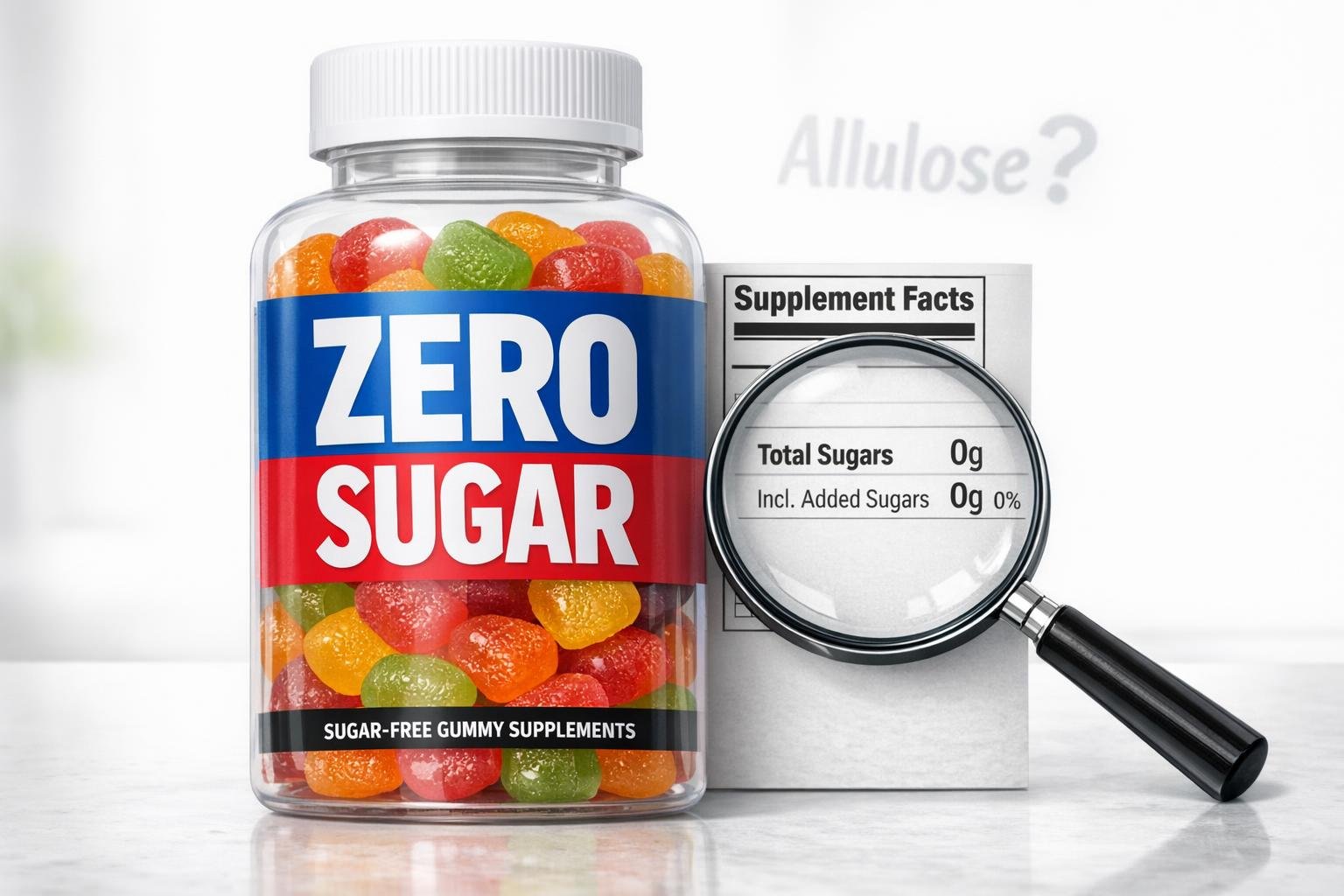
According to the complaint, plaintiff Terri Coprew brings a proposed class action against KIND LLC challenging the labeling and marketing of certain KIND Zero Added Sugar nut bars that prominently state “ZEROg ADDED SUGAR.” The lawsuit alleges that these bars in fact contain approximately 5 grams of added allulose per bar, which the plaintiff claims is a sugar under federal and California labeling standards.
By advertising the products as having zero grams of added sugar, the complaint contends that KIND misled reasonable consumers into believing the bars contained no added sugars at all, causing them to pay a price premium and purchase products they otherwise would not have bought. The action seeks injunctive relief to stop the challenged practices, as well as restitution, damages, and other remedies under California consumer protection laws and unjust enrichment theories.
ALLEGATIONS
According to the complaint, KIND LLC manufactures and sells nut bars under the “KIND Zero Added Sugar” product line. The front labels of several varieties of these bars prominently display the claim “ZEROg ADDED SUGAR.” The plaintiff alleges that this statement is false and misleading because the products contain about 5 grams of added allulose per bar.
The complaint asserts that, under applicable federal and California labeling standards, allulose qualifies as a sugar and, when added to a product, should be considered “added sugar.” The lawsuit alleges that by using the phrase “ZEROg ADDED SUGAR,” KIND represents to consumers that the products contain no added sugars of any kind, including alternative or “rare” sugars such as allulose. According to the complaint, a reasonable consumer would interpret “ZEROg ADDED SUGAR” to mean that no sugars have been added to the bars beyond those naturally occurring in ingredients like nuts or fruit.
The plaintiff claims that scientific and regulatory frameworks recognize allulose as a sugar ingredient that is added during manufacturing. The complaint alleges that KIND’s labeling is inconsistent with these standards because it emphasizes the absence of added sugar while including what the plaintiff describes as a significant quantity of added allulose. The lawsuit contends that this discrepancy renders the labeling deceptive and unlawful.
According to the complaint, KIND markets these Zero Added Sugar bars to health-conscious consumers who seek to limit or avoid added sugars in their diets. The “ZEROg ADDED SUGAR” representation is alleged to be a central and material feature of the product’s branding and advertising. The plaintiff claims that this statement appears prominently on the front of the package and is intended to influence purchasing decisions by implying that the bars are healthier or preferable to competing products that contain added sugar.
The lawsuit alleges that consumers, including the named plaintiff, relied on the “ZEROg ADDED SUGAR” representation when deciding to purchase the bars. The complaint asserts that the plaintiff and putative class members believed they were buying products that did not include any added sugar and that they paid a price premium based on this belief. According to the complaint, had consumers known that the bars allegedly contained about 5 grams of added allulose per bar, they either would not have purchased them or would have paid less for them.
The complaint further alleges that KIND’s conduct violates California consumer protection statutes, including laws that prohibit unfair, unlawful, and deceptive business practices and misleading advertising. The plaintiff claims that by labeling and marketing the products as having zero grams of added sugar while including added allulose, KIND engaged in deceptive conduct that is likely to mislead reasonable consumers. The lawsuit also asserts unjust enrichment theories, alleging that KIND unfairly retained money obtained through the challenged labeling and marketing practices.
According to the complaint, the proposed class includes consumers nationwide, with a particular focus on those in California, who purchased the KIND Zero Added Sugar bars labeled “ZEROg ADDED SUGAR.” The plaintiff seeks to represent these purchasers and to obtain relief on their behalf.
Leave a Reply