
CASE INFORMATION:
CASE NAME: Julissa Feliciano v. Promotion In Motion, Inc.
CASE NO. 1:26-cv-05405
JURISDICTION: United States District Court for the Eastern District of New York
FILED DATE: 09/01/26
CLASS DEFINITION: According to the complaint, the plaintiff seeks to represent a nationwide class of consumers, along with multiple state subclasses, who purchased Welch’s Zero Sugar Fruity Bites products marketed and labeled as “Zero Sugar.”
Summary
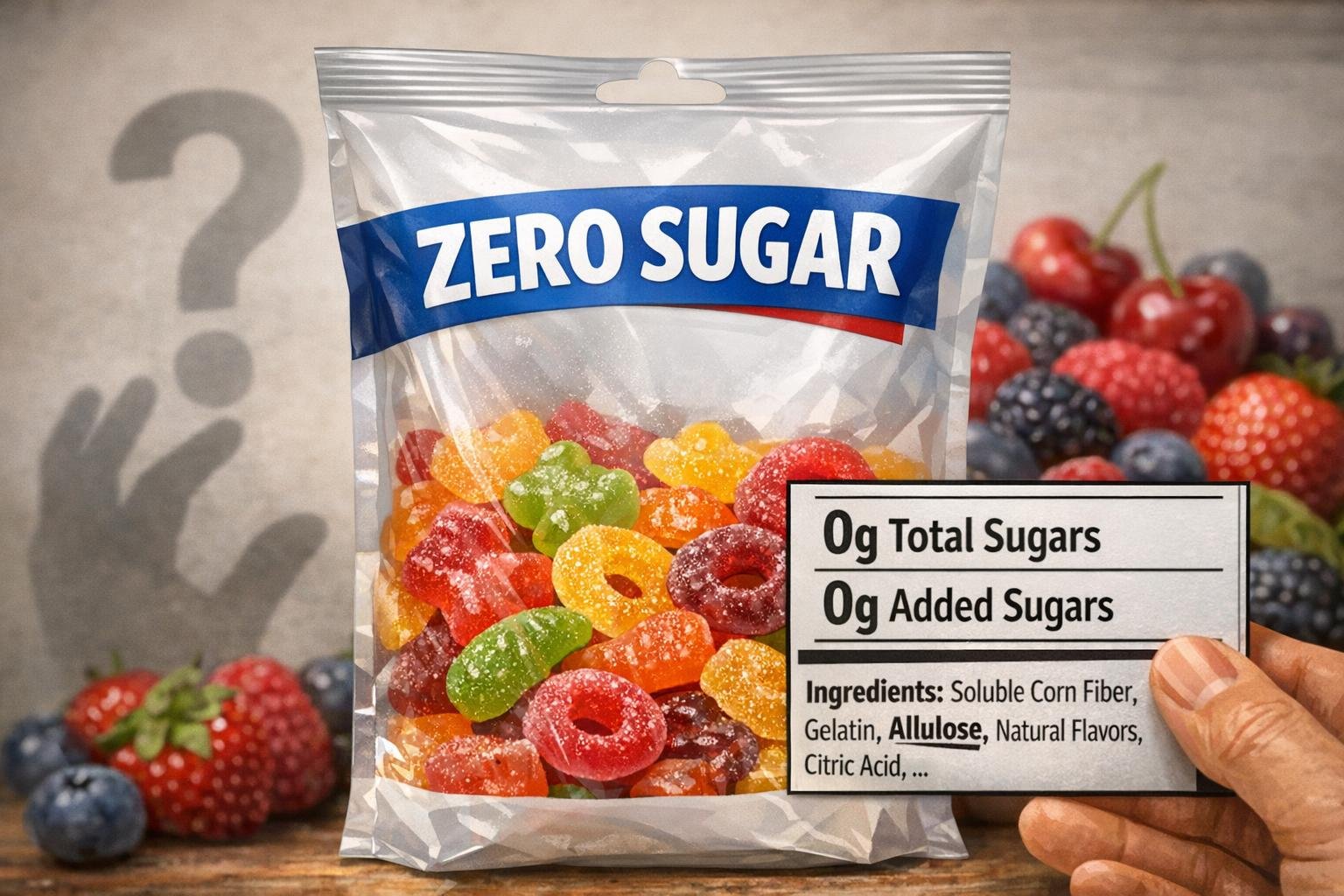
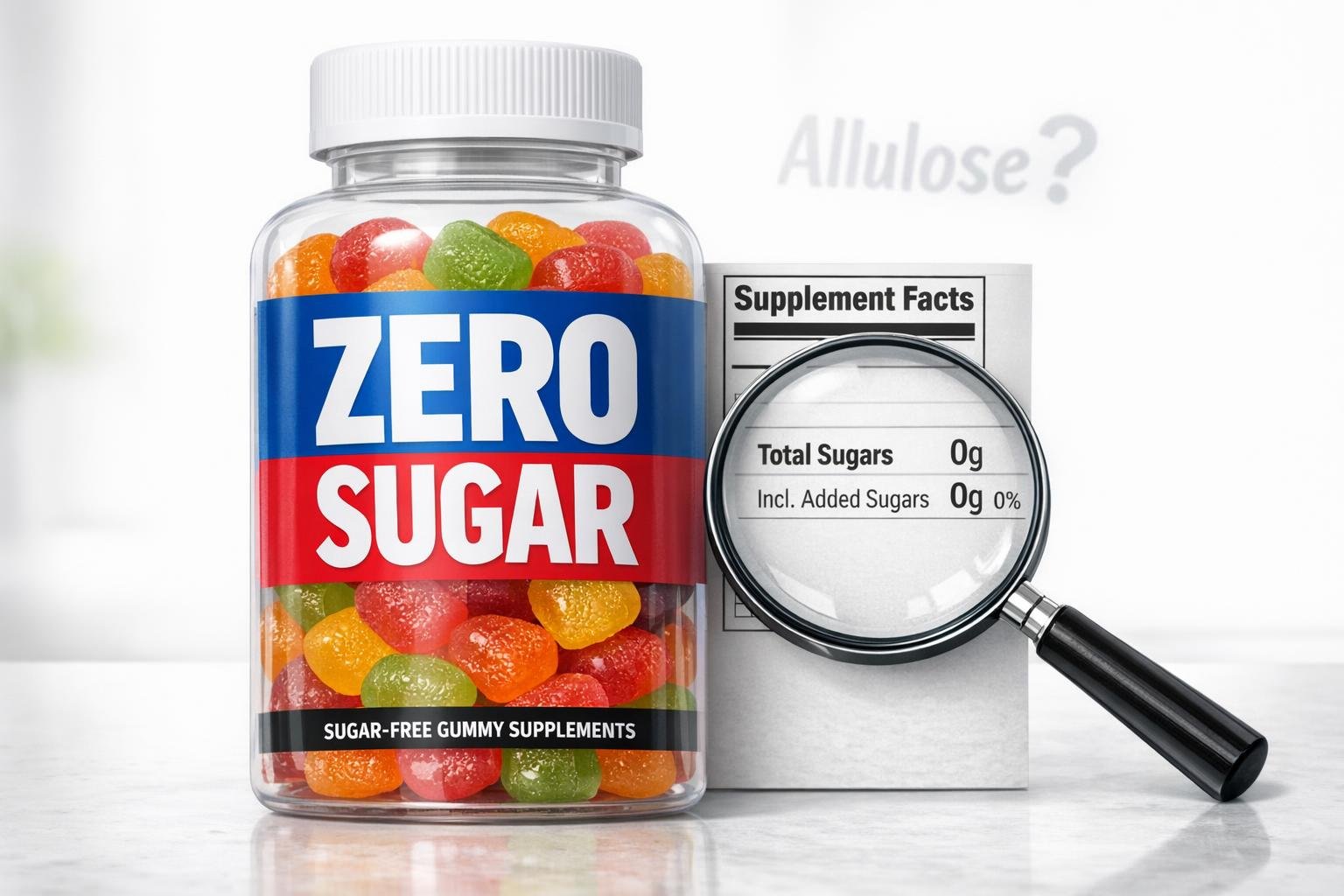
According to the complaint, plaintiff Julissa Feliciano brings a proposed nationwide class action against Promotion In Motion, Inc., challenging the “ZERO SUGAR” labeling of Welch’s Zero Sugar Fruity Bites in several flavors. The lawsuit alleges that, despite prominently claiming “ZERO SUGAR” on the front labels and reporting 0 grams of Total Sugars and 0 grams of Added Sugars in the Nutrition Facts, the candies contain several grams per serving of allulose, which the complaint characterizes as a sugar under federal labeling rules. The lawsuit contends that this “Zero Sugar” claim violates FDA nutrient-content regulations, New York and other states’ food-labeling and consumer-protection laws, and has caused consumers to pay a price premium for misbranded products. The suit seeks damages, restitution, injunctive relief, and class certification for a nationwide class and numerous state subclasses.
Allegations
According to the complaint, Promotion In Motion, Inc. manufactures and sells three varieties of Welch’s Zero Sugar Fruity Bites—Berries ’N Cherries, Mixed Fruit, and Island Fruits. Each variety is allegedly marketed with a prominent “ZERO SUGAR” statement on the front of the package, which the plaintiff claims is a central marketing message intended to attract health-conscious consumers and those seeking to avoid sugar.
The complaint alleges that, despite the “ZERO SUGAR” representation, allulose appears as a major ingredient in the products’ ingredient lists, directly after maltitol. Based on the products’ labeling, the complaint contends that each labeled serving of the candies contains at least about 3 grams of allulose. At the same time, the Nutrition Facts panels for the products reportedly declare 0 grams of Total Sugars and 0 grams of Added Sugars per serving. The lawsuit asserts that this combination of a bold-front “ZERO SUGAR” claim and a Nutrition Facts panel showing 0 sugars makes it impossible for reasonable consumers to discern that the products contain sugar in the form of allulose.
The lawsuit further alleges that allulose is, both chemically and functionally, a sugar. It is described in the complaint as a rare monosaccharide and a C-3 epimer of fructose, with about 70% of the sweetness of sucrose, and used as a bulk sweetener in gram-level quantities. The complaint cites scientific literature and FDA rulemaking to argue that, because allulose is a free monosaccharide, it must be counted as “Total Sugars” under federal regulation 21 C.F.R. § 101.9(c)(6)(ii). The pleading also references trade-group materials that describe allulose as a naturally occurring sugar, reinforcing the contention that it should not be treated as a non-sugar ingredient for labeling purposes.
Using the Nutrition Facts declarations for total carbohydrates, sugar alcohols, and protein, the complaint estimates that the products contain sugar in amounts well above the 0.5-gram-per-serving threshold that federal regulations allow for a lawful “zero sugar” nutrient-content claim. On this basis, the lawsuit alleges that the “ZERO SUGAR” labeling is an unlawful nutrient-content claim under 21 C.F.R. § 101.60(c)(1). According to the complaint, the products fail both regulatory conditions for such a claim: they contain more than 0.5 grams of sugars per serving, and they include a sugar ingredient—identified as allulose—without the required asterisk and qualifying language indicating that the ingredient adds only a trivial, negligible, or dietarily insignificant amount of sugar.
As a result, the complaint contends that the products are misbranded under the Federal Food, Drug, and Cosmetic Act, as well as under parallel New York food-labeling provisions. The “ZERO SUGAR” statement is characterized as false, misleading, and deceptive because it allegedly contradicts the actual sugar content when allulose is properly classified as a sugar.
The plaintiff also alleges that reasonable consumers are unlikely to uncover the purported deception. The complaint cites consumer-behavior research suggesting that shoppers generally spend only a few seconds viewing the front of packages and rarely scrutinize detailed Nutrition Facts panels or understand technical ingredient names like “allulose.” According to the complaint, consumers rely heavily on simple, bold front-of-pack claims such as “ZERO SUGAR” when making purchasing decisions.
Plaintiff Julissa Feliciano alleges that she purchased the Mixed Fruit variety of Welch’s Zero Sugar Fruity Bites on Amazon for approximately $2.99. She claims she saw and relied on the “ZERO SUGAR” representation, believed the product contained no sugar, and would not have bought it or would have paid less had she known that each serving allegedly contained several grams of allulose. The complaint asserts that consumers paid a price premium tied to the “Zero Sugar” branding and were denied the benefit of their bargain because they did not receive products that matched the advertised attributes.
On behalf of a proposed nationwide class and multiple state subclasses, the complaint seeks relief under New York General Business Law sections 349 and 350 and numerous other state consumer-protection statutes. It also brings claims for intentional misrepresentation, breach of express warranty, and unjust enrichment. The lawsuit asks the court to certify the proposed classes, award damages and restitution, order disgorgement of alleged ill-gotten gains, and grant injunctive relief to halt the “ZERO SUGAR” labeling and require corrective disclosures regarding the presence and characterization of allulose in the products.
Leave a Reply