
Case Information:
Case Name: Meghan Carter v. Upstar Nutrition, Inc. d/b/a Keto Foods
Case No. 6:26-cv-01951
Jurisdiction: United States District Court, Middle District of Florida, Orlando Division
Filed Date: 09/01/26
Class Definition: Nationwide class of consumers, including a Florida subclass, who purchased Keto Pint Zero Added Sugar ice cream pints and bars marketed by Upstar Nutrition, Inc. d/b/a Keto Foods.
Summary
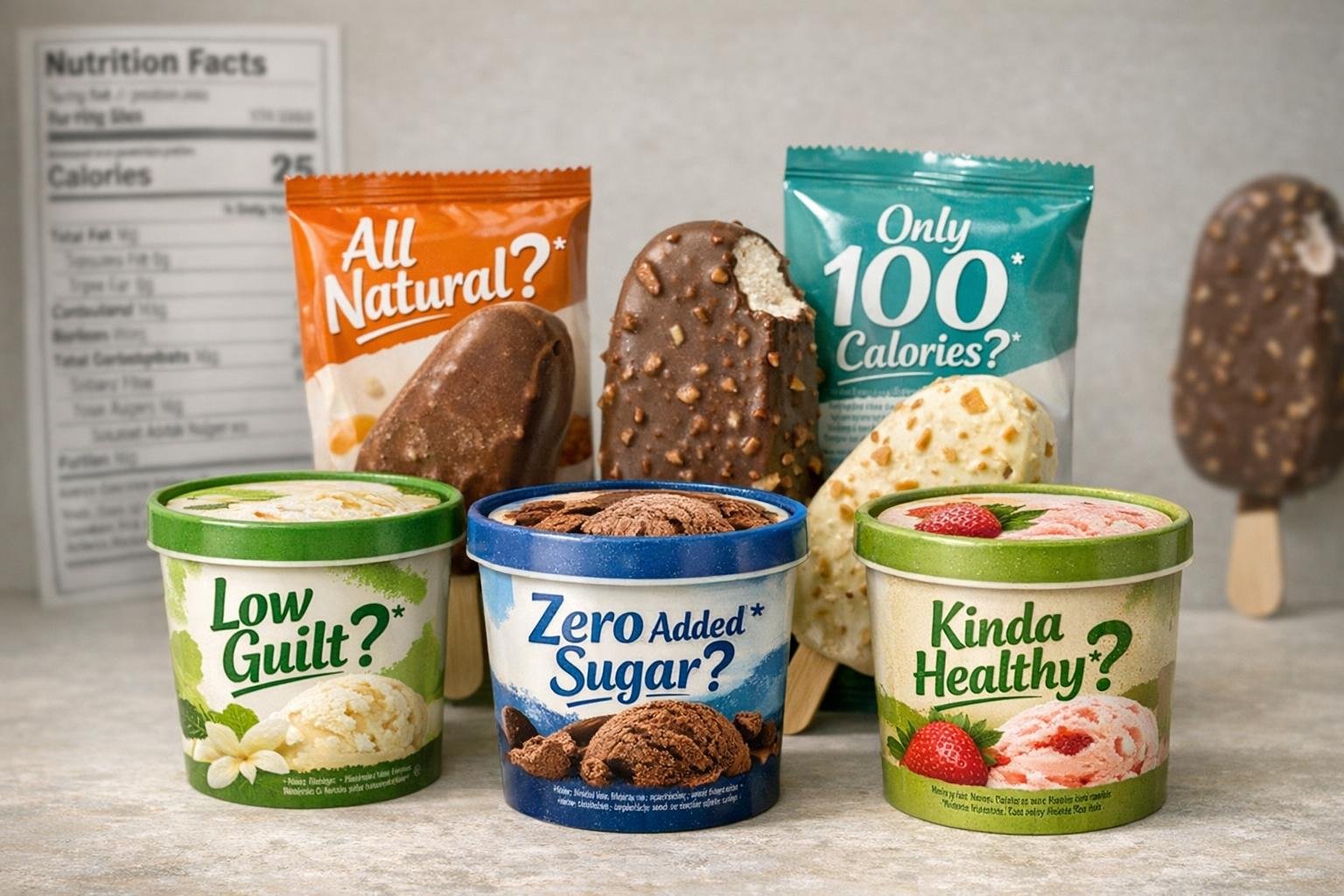
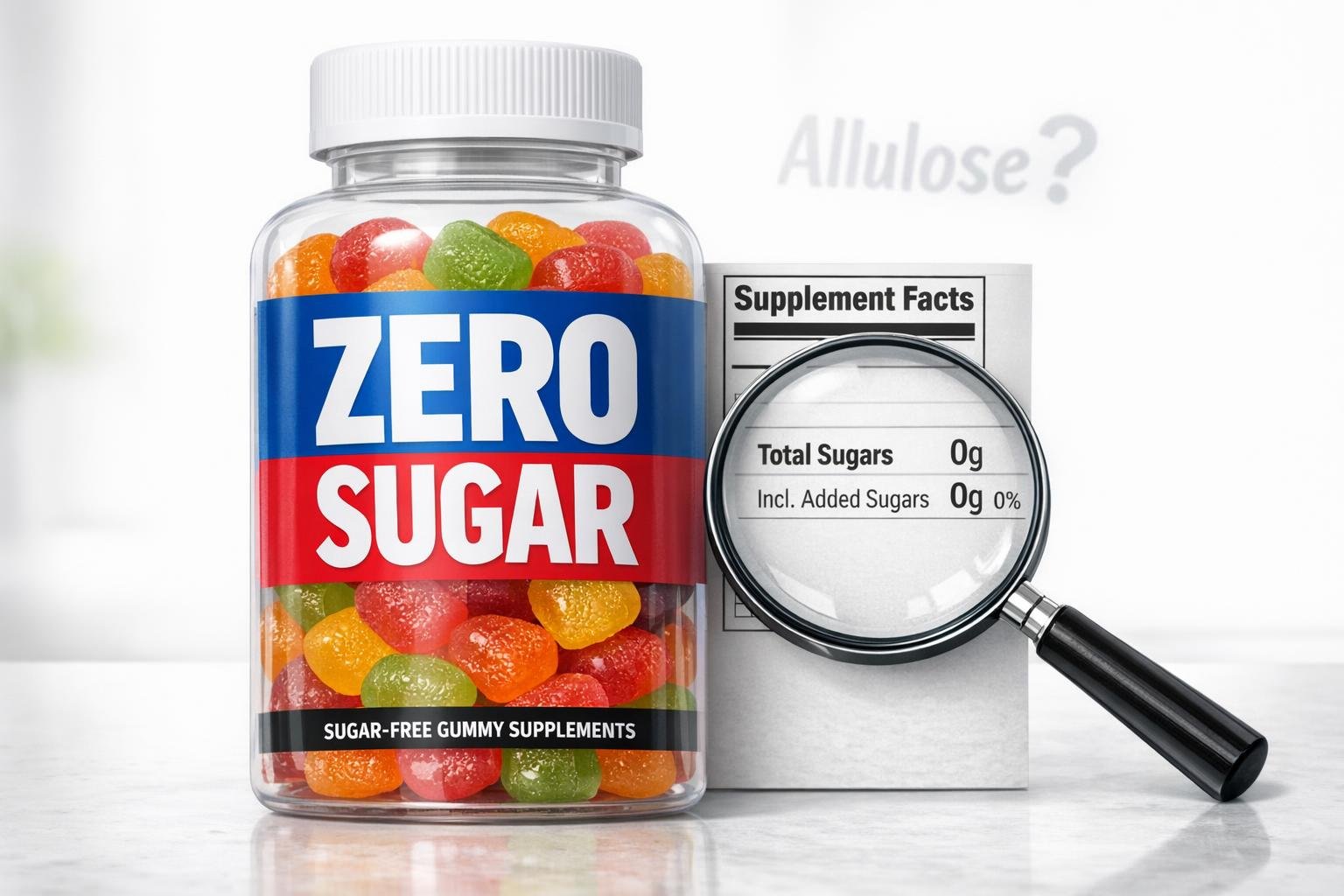
According to the complaint, plaintiff Meghan Carter alleges that Upstar Nutrition, Inc., doing business as Keto Foods, misleads consumers by prominently advertising several “Keto Pint Zero Added Sugar” ice cream products as containing “ZERO ADDED SUGAR” even though they allegedly contain 3 to 7 grams per serving of allulose, an added monosaccharide sugar.
The lawsuit contends that these “Zero Added Sugar” representations function as nutrient-content claims on the front of the products’ packaging and fail to comply with federal and Florida labeling standards governing “no added sugar” statements. Carter alleges that she and other consumers paid a price premium in reliance on the “ZERO ADDED SUGAR” labeling, did not receive the benefit of their bargain, and would not have purchased or would have paid less for the products had they known about the added allulose.
The complaint brings a putative nationwide class and Florida subclass, asserting violations of the Florida Deceptive and Unfair Trade Practices Act (FDUTPA), along with claims for unjust enrichment and negligent misrepresentation, and seeks damages, restitution, injunctive relief, and corrective advertising.
Allegations
The complaint alleges that Upstar Nutrition, Inc., under the brand name Keto Foods, manufactures and sells ice cream pints and bars labeled and marketed as “Keto Pint Zero Added Sugar.” According to the complaint, the front labels of these products prominently display the phrase “ZERO ADDED SUGAR,” which is presented as a key selling point to consumers seeking low-sugar or no-added-sugar products. The lawsuit claims that this representation is false and misleading because the products allegedly contain between 3 and 7 grams per serving of allulose, which the complaint describes as an added monosaccharide sugar under federal and Florida food labeling standards.
The complaint asserts that the “ZERO ADDED SUGAR” language is a nutrient-content claim that must comply with Food and Drug Administration regulations for “no added sugar” or “without added sugar” statements. According to the complaint, those regulations prohibit such claims when the product contains added sugars or ingredients that function as added sugars. The lawsuit alleges that by including allulose in the products while still claiming “ZERO ADDED SUGAR,” Keto Foods violates these regulatory requirements and misleads consumers about the sugar content and nutritional profile of the ice cream.
The complaint further contends that Keto Foods positions these products as premium, health-oriented offerings specifically attractive to consumers who are dieting, monitoring carbohydrate and sugar intake, or following ketogenic eating patterns. According to the lawsuit, consumers reasonably interpret “ZERO ADDED SUGAR” to mean that the products do not contain any added sugars, including allulose. The complaint alleges that Keto Foods capitalizes on this expectation by charging a premium price for the ice creams compared to conventional products without such claims.
Plaintiff Meghan Carter alleges that she purchased Keto Pint Zero Added Sugar ice cream products during the class period in reliance on the “ZERO ADDED SUGAR” claim on the product packaging. The complaint asserts that she believed the products contained no added sugar and would not have bought them, or would have paid less, had she known that they contained 3 to 7 grams per serving of allulose characterized in the complaint as an added sugar. As a result, the lawsuit alleges that Carter and other consumers did not receive the benefit of their bargain and suffered economic injury.
The complaint seeks to represent a nationwide class of consumers who purchased the Keto Pint Zero Added Sugar ice cream pints and bars, as well as a subclass of Florida purchasers. It alleges that Keto Foods’ labeling and marketing practices constitute unfair and deceptive acts or practices in violation of the Florida Deceptive and Unfair Trade Practices Act, on the theory that the “ZERO ADDED SUGAR” claim is likely to mislead reasonable consumers and is inconsistent with applicable labeling standards.
In addition to the FDUTPA claim, the complaint asserts causes of action for unjust enrichment and negligent misrepresentation. The unjust enrichment claim alleges that Keto Foods was unjustly enriched by receiving money from consumers who purchased the products based on misleading labeling. The negligent misrepresentation claim alleges that Keto Foods supplied false information in the form of the “ZERO ADDED SUGAR” statement, failed to exercise reasonable care in ensuring the accuracy and compliance of its labeling, and that consumers reasonably relied on this information to their detriment.
The lawsuit seeks damages and restitution on behalf of the proposed nationwide class and Florida subclass, including recovery of the alleged price premium paid for the products. The complaint also requests injunctive relief to stop Keto Foods from continuing to label and market the ice cream products as having “ZERO ADDED SUGAR” in the manner alleged, and asks the court to require corrective advertising to inform consumers about the presence of allulose and to remedy the allegedly misleading impressions created by the challenged labeling.

Leave a Reply