
Case Information
Case Name: Mercado v. Goli Nutrition Inc.
Case No. 2:26-cv-09807
Jurisdiction: United States District Court Central District of California
Filed On: 09/01/26
Class Definition: Nationwide class of consumers who bought Goli Zero Sugar Apple Cider Vinegar, Zero Sugar Ashwagandha+, or Zero Sugar Pre+Post+Probiotics gummies.
Summary
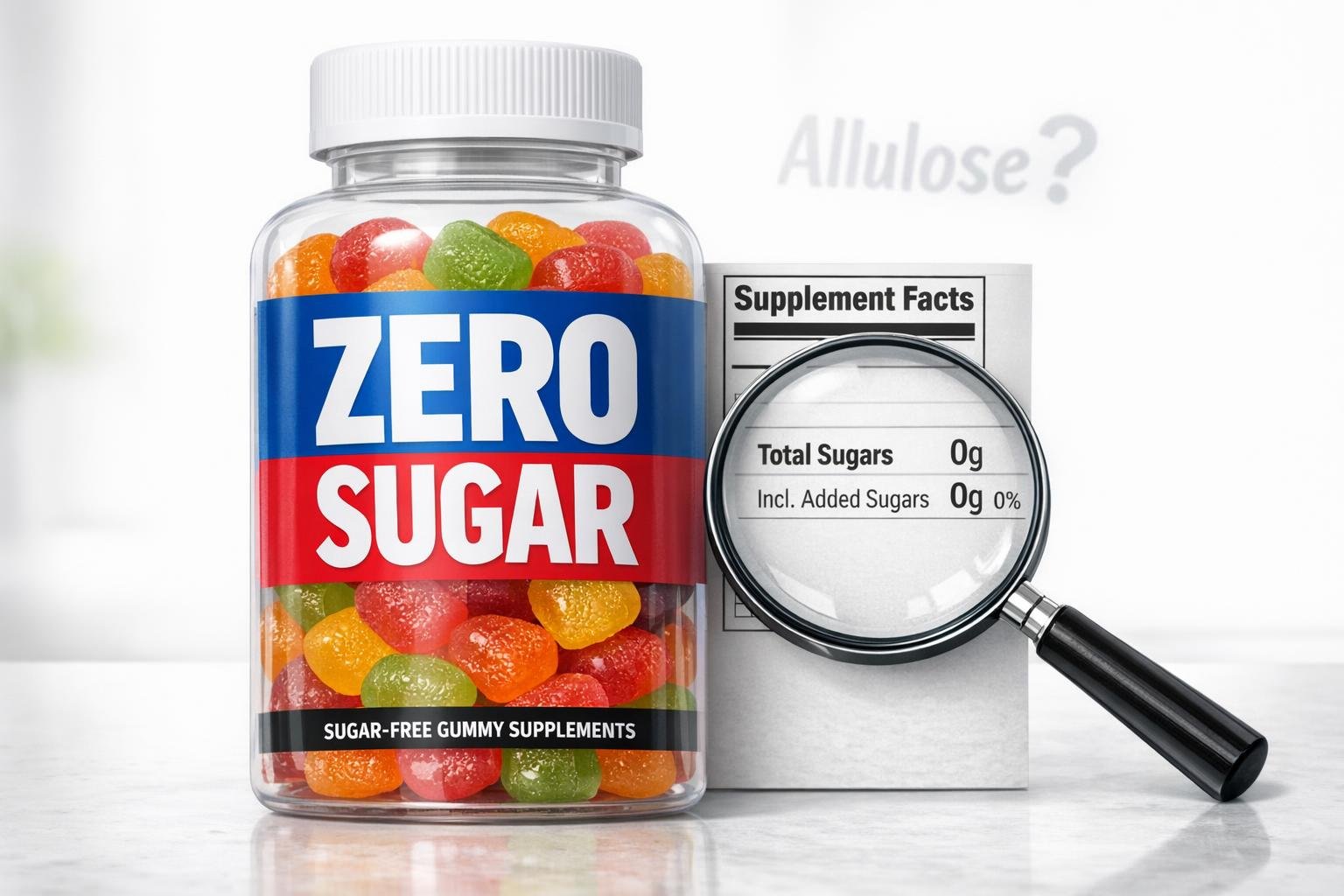
According to the complaint, plaintiff Alexander Mercado brings a putative nationwide class action against Goli Nutrition Inc. alleging that the company falsely markets several gummy dietary supplements as “Zero Sugar” even though they contain the sugar allulose. The lawsuit claims that the products’ front labels prominently state “ZERO SUGAR” while each serving allegedly contains gram-level amounts of allulose, which the complaint describes as a monosaccharide sugar under federal labeling standards.
The complaint further alleges that the Supplement Facts panels declare 0 grams of Total Sugars and Added Sugars, omit allulose as a sugar, and fail to include required qualifying language, thereby misleading consumers and allowing Goli to charge a price premium. The lawsuit seeks damages, restitution, injunctive relief to stop or correct the “ZERO SUGAR” labeling, and attorneys’ fees on behalf of a national class and state-specific subclasses.
Allegations
According to the complaint, Goli Nutrition Inc. manufactures and sells several gummy dietary supplements under the “Goli Zero Sugar” branding, including:
- Goli Zero Sugar Apple Cider Vinegar Gummies
- Goli Zero Sugar Ashwagandha+ Gummies
- Goli Zero Sugar Pre+Post+Probiotics Gummies
The lawsuit alleges that each of these products prominently features the phrase “ZERO SUGAR” on the front label, positioning them as sugar-free options for health-conscious consumers seeking to avoid sugar and willing to pay more for such products.
The complaint states that plaintiff Alexander Mercado purchased a 60-count bottle of Goli Zero Sugar Apple Cider Vinegar Gummies in April 2026 in New York. He allegedly relied on the “ZERO SUGAR” statement on the front label and believed the product contained no sugar. The lawsuit asserts that Mercado would not have purchased the gummies, or would have paid less, had he known they contained sugar in the form of allulose. The complaint characterizes this as a loss of the benefit of his bargain and a monetary injury tied to the alleged price premium.
According to the complaint, Goli formulates these gummies with allulose as a bulk sweetener. The pleading alleges that:
- each serving of the Apple Cider Vinegar and Ashwagandha+ products contains approximately 2 grams of allulose, and
- each serving of the Pre+Post+Probiotics product contains about 1 gram of allulose.
Despite this, the Supplement Facts panels for the products allegedly declare 0 grams of Total Sugars and 0 grams of Added Sugars. The complaint further alleges that allulose appears high in the ingredient lists and that no other ingredients could account for the grams of non-fiber carbohydrates listed, which the plaintiff contends confirms the presence of sugar in amounts inconsistent with a “zero sugar” claim.
The lawsuit asserts that, under FDA regulations, sugars are defined as all free mono- and disaccharides, and that allulose is a rare monosaccharide sugar, specifically described as a C-3 epimer of fructose. According to the complaint, food science literature and FDA materials treat allulose as a sugar, and the ingredient is used in gram quantities as a bulk sweetener with approximately 70% of the sweetness of sucrose. The plaintiff alleges that industry sources characterize allulose as a naturally occurring sugar, further supporting his position that it is a sugar for labeling purposes.
Based on these allegations, the complaint contends that Goli’s outside-panel “ZERO SUGAR” claim is false and misleading and is not permitted under 21 C.F.R. § 101.60(c)(1). The lawsuit also alleges that when a product contains a sugar ingredient, federal regulations require a special asterisk and qualifying statement to accompany a “zero sugar” claim, and that Goli’s products omit this required qualification. The plaintiff claims that the products therefore exceed the regulatory threshold for using a “zero sugar” nutrient-content claim while failing to provide the mandated disclosures, rendering the labeling deceptive and unlawful.
The complaint further alleges that ordinary consumers do not have specialized scientific or regulatory knowledge and are unlikely to recognize allulose as a sugar or understand how it should be declared on Supplement Facts panels. According to the lawsuit, consumers are entitled to rely on the clear “ZERO SUGAR” statement on the front label without needing to scrutinize the ingredient list or conduct independent research into allulose. The plaintiff contends that Goli knew or should have known that its representations were false or misleading because the company is responsible for formulating and labeling the products and is aware that allulose is used as a sugar-like sweetener.
On behalf of a nationwide class and subclasses including New York and California purchasers, as well as consumers in other states with similar consumer-protection statutes, the complaint asserts claims under:
- New York General Business Law §§ 349 and 350,
- California’s Unfair Competition Law and False Advertising Law,
- a multi-state consumer-protection theory, and
- unjust enrichment.
The lawsuit seeks certification of these classes, damages and restitution based on the alleged price premium and loss of benefit of the bargain, injunctive relief requiring Goli to cease or correct the “ZERO SUGAR” labeling, and an award of attorneys’ fees and costs.
Leave a Reply