

A major new study published in the European Heart Journal suggests that several widely used food preservatives may be associated with a higher risk of hypertension and cardiovascular disease. Researchers from the French NutriNet-Santé cohort followed more than 112,000 adults between 2009 and 2024 to examine whether long-term exposure to preservative food additives affected heart health.
The research team analyzed detailed dietary records collected from participants over many years. Unlike many earlier nutrition studies, this project tracked the specific commercial brands of foods participants consumed, allowing scientists to estimate exposure to individual food additives with greater accuracy. Researchers combined dietary records with food composition databases and laboratory testing to identify additive exposure levels.
The study included 112,395 adults, most of whom were women, with an average age of about 43 years at the start of the study. Participants were followed for nearly eight years on average. During that time, researchers identified 5,544 cases of hypertension and 2,450 cardiovascular disease cases, including strokes and coronary heart disease.
Researchers found that higher intake of “non-antioxidant preservatives” was associated with a 29% higher risk of hypertension and a 16% higher risk of cardiovascular disease when comparing the highest consumers to the lowest consumers. Antioxidant preservatives were also linked to increased hypertension risk.
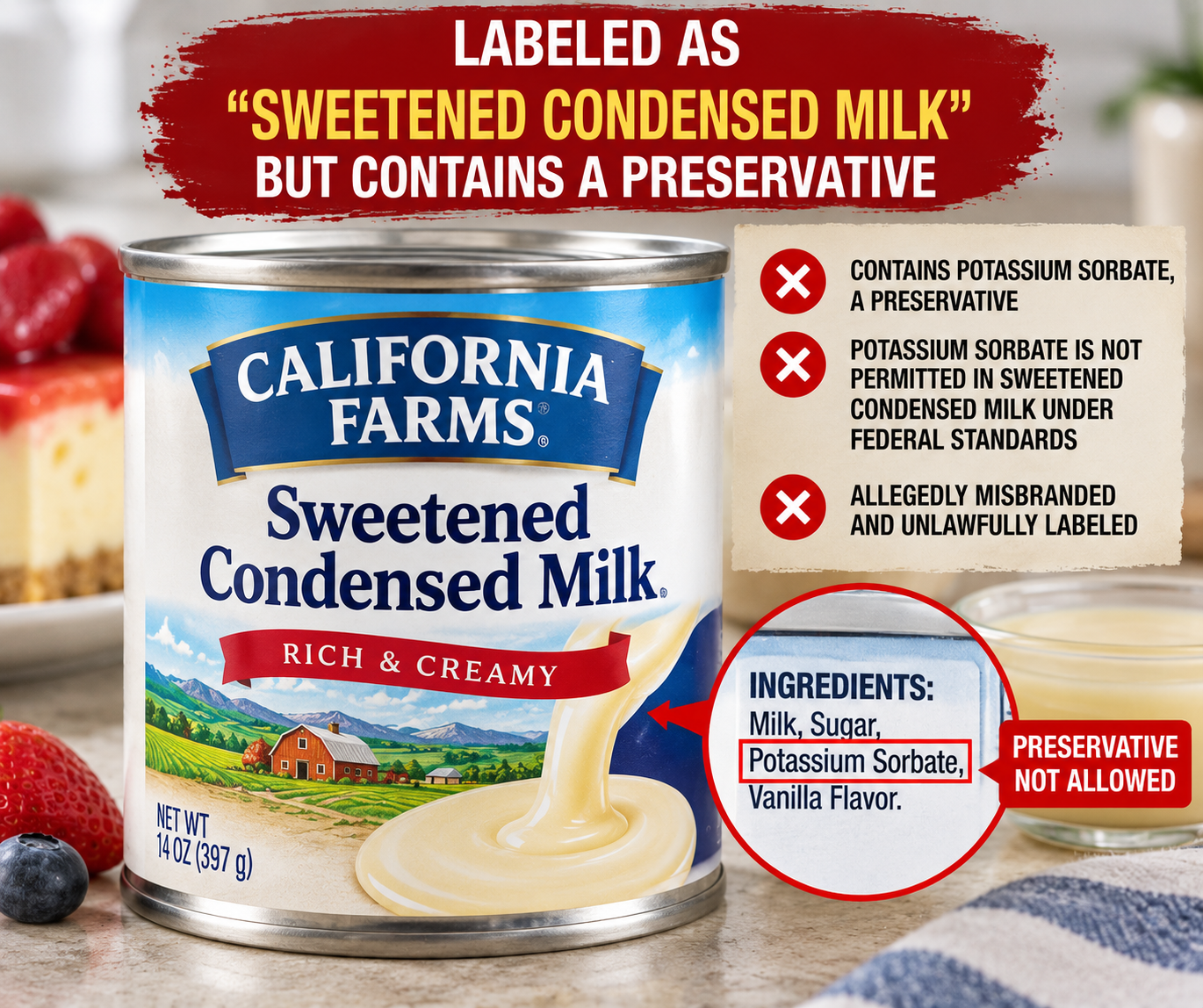
Several individual additives stood out in the analysis. Preservatives associated with a higher risk of hypertension included potassium sorbate, potassium metabisulphite, sodium nitrite, ascorbic acid, sodium ascorbate, sodium erythorbate, citric acid, and rosemary extracts . Ascorbic acid, commonly known as vitamin C when naturally present in foods, was also associated with a higher risk of cardiovascular disease when used as a food additive.
The additives studied are commonly found in processed and packaged foods. The paper notes that sulphites were most commonly consumed through alcoholic drinks, while nitrites and nitrates mainly came from processed meats. Other preservatives appeared frequently in cereals, processed fruits and vegetables, and ready-made foods. Nearly all participants consumed at least some preservative additives during the study period.
Importantly, the researchers emphasized that the study shows associations rather than direct proof of cause and effect. However, they adjusted for many possible confounding factors, including smoking, physical activity, education, body weight, sodium intake, alcohol use, and overall diet quality. They also performed multiple sensitivity analyses, and the findings remained largely consistent.
The study also explored possible biological explanations. Previous laboratory and animal research has suggested that some preservatives may contribute to oxidative stress, inflammation, metabolic dysfunction, or cellular toxicity. For example, potassium sorbate and sodium nitrite have shown cytotoxic effects in experimental studies. The authors suggest that these mechanisms could potentially help explain the cardiovascular associations observed in humans.
One of the study’s key messages is that preservatives may have different effects depending on whether they come from natural foods or industrial additives. While nutrients like vitamin C and tocopherols are generally associated with health benefits when consumed naturally in fruits and vegetables, the same compounds used as additives in ultra-processed foods may behave differently because of dosage, food structure, or interactions with other ingredients.
The researchers concluded that the findings support recommendations to prioritize fresh and minimally processed foods whenever possible. They also said the results may justify re-evaluating regulations surrounding the use of certain food preservatives if future studies confirm the risks.
The complete study is linked below.

Leave a Reply