
CASE NAME: Robert Bacos, Alin Pop, and Andrei Tomescu v. Calabasas Beverage Company, LLC and K&Soda Inc. d/b/a 818 Spirits Inc.
CASE NO.: 1:26-cv-03706
JURISDICTION: United States District Court for the Northern District of Illinois, Eastern Division
FILED ON: April 3, 2026
CLASS DEFINITION: All persons in the United States, including state subclasses, who purchased 818 Tequila during the applicable class period.
SUMMARY:
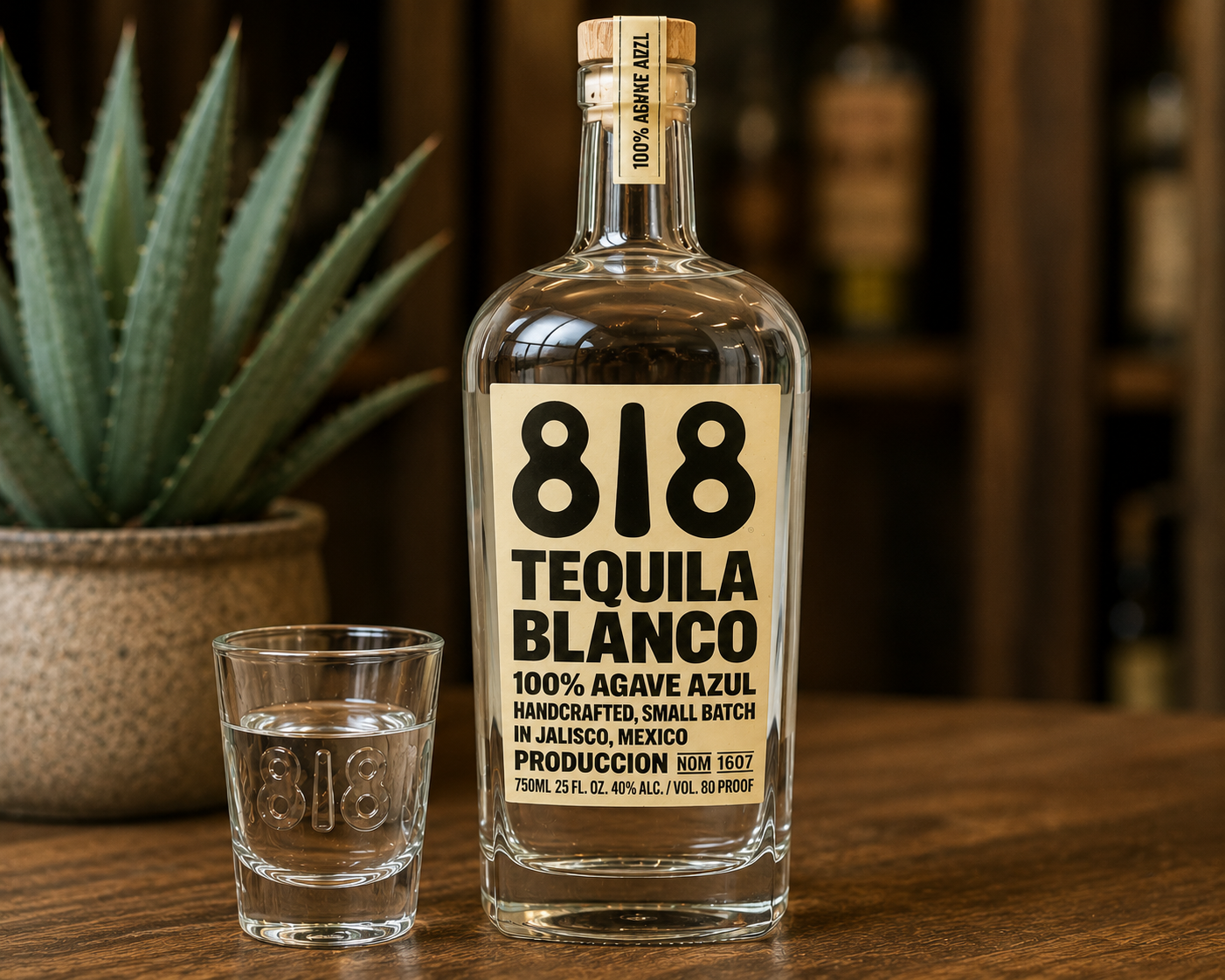
Calabasas Beverage Company, LLC and K&Soda Inc. (doing business as 818 Spirits) are facing a proposed class action lawsuit alleging that they falsely market 818 Tequila as “100% agave,” “handcrafted,” and “small batch.” The lawsuit claims that independent scientific testing shows the tequila contains alcohol derived in part from non-agave sources, contradicting its labeling. Plaintiffs also allege the product is mass-produced in a large industrial facility rather than in small batches. The complaint asserts that these representations misled consumers into paying a premium price for what they believed was a higher-quality, traditionally produced tequila.
ALLEGATIONS:
The complaint alleges that defendants prominently label 818 Tequila with claims such as “100% Agave,” “100% Blue Weber Agave,” “handcrafted,” and “small batch,” which are displayed on product packaging, marketing materials, and online platforms. According to the lawsuit, these claims communicate to reasonable consumers that the tequila is made բացառively from agave sugars and produced using traditional, small-scale methods associated with premium tequila products.
However, the plaintiffs contend that these representations are false and misleading. The complaint alleges that independent laboratory testing using carbon isotope ratio analysis and nuclear magnetic resonance (NMR) revealed that the alcohol in 818 Tequila is derived, at least in part, from non-agave sources such as cane or corn sugars. According to the lawsuit, these findings contradict the “100% agave” designation, which by definition requires that all fermentable sugars come exclusively from the blue Weber agave plant.
The lawsuit further alleges that the tequila is not produced in “small batches” or through “handcrafted” methods as advertised. Instead, plaintiffs claim that 818 Tequila is manufactured in a large-scale industrial distillery in Jalisco, Mexico, with multi-million-liter production capacity. According to the complaint, this level of production is inconsistent with consumer expectations of artisanal or small-batch manufacturing, which typically involves limited quantities and greater human involvement.
Additionally, the complaint asserts that defendants intentionally used these representations to position 818 Tequila as a premium product and justify higher pricing. As illustrated by pricing comparisons referenced in the complaint (see page 12), 818 Tequila is sold at a significantly higher price than comparable “mixto” tequilas, with consumers allegedly paying up to 47% more per bottle based on the “100% agave” and premium production claims.
The plaintiffs also allege that the product’s labeling and marketing create a false impression of authenticity and regulatory compliance. The presence of a distillery identification number (NOM 1607) and references to traditional production methods allegedly reinforce consumer beliefs that the tequila meets strict standards for authentic agave spirits.
According to the complaint, consumers cannot independently verify the source of alcohol or production methods and must rely on labeling representations. The plaintiffs claim they relied on these statements when purchasing the product and would not have done so, or would have paid less, had they known the truth.
As a result, the lawsuit alleges that consumers suffered economic harm by paying a price premium for a product that does not meet its advertised qualities. The complaint brings claims under multiple state consumer protection laws, as well as claims for unjust enrichment and negligent misrepresentation, and seeks damages, restitution, injunctive relief, and other remedies.

Leave a Reply