
CASE NAME: Jie Chen v. Bayer Corporation, et al.
CASE NO.: 1:26-cv-02704
JURISDICTION: United States District Court for the Eastern District of New York
FILED ON: May 6, 2026
CLASS DEFINITION: All persons in New York who purchased One A Day Men’s Pre-Conception Health Multivitamin during the applicable statute of limitations period.
SUMMARY:
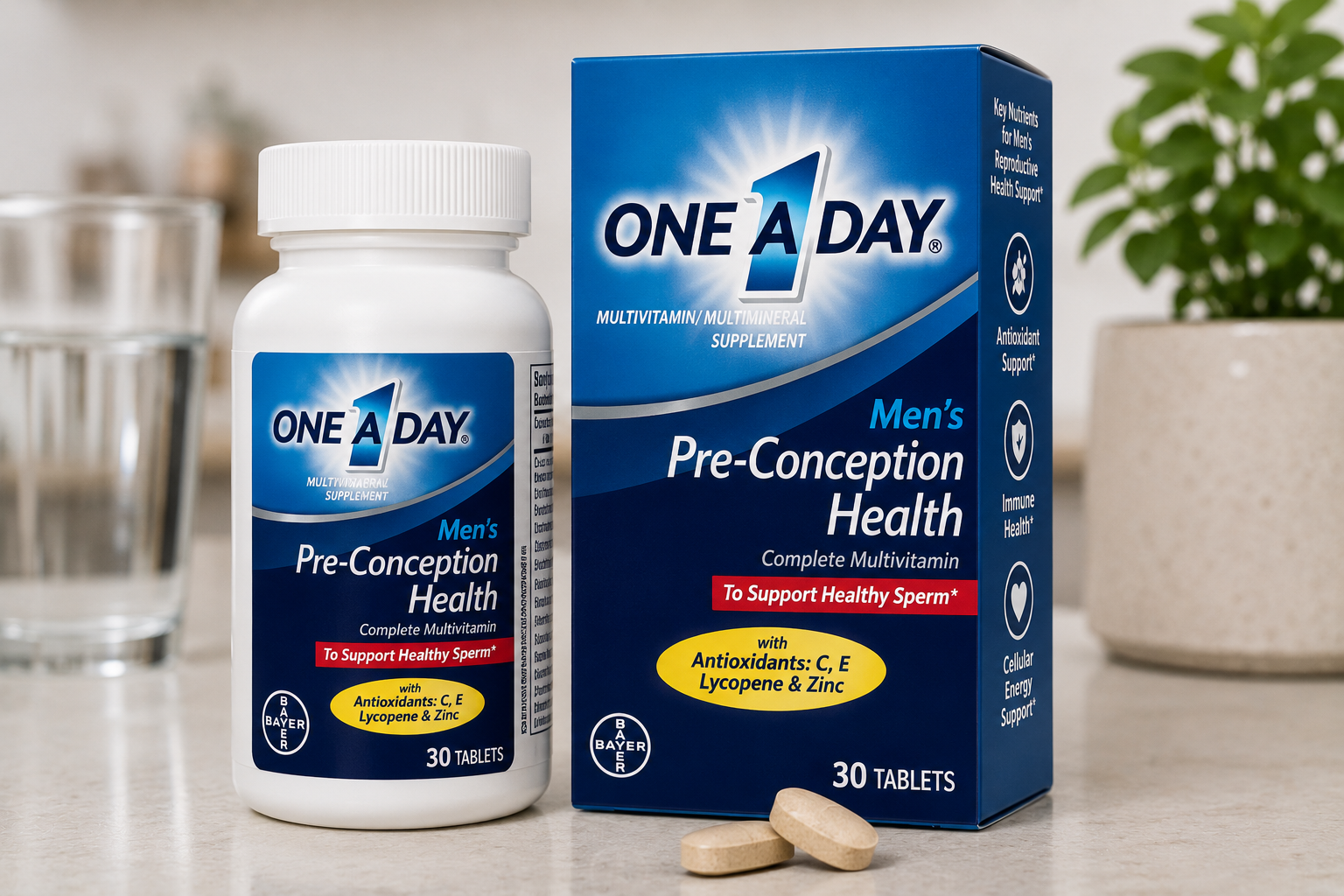
According to the complaint, Bayer Corporation and Bayer Healthcare LLC are facing a proposed class action lawsuit alleging that they falsely advertise their One A Day Men’s Pre-Conception Health Multivitamin as supporting “healthy sperm.” The lawsuit claims that this representation conveys to consumers that the product improves sperm health, fertility, and chances of conception, despite findings that the product’s ingredients do not support these claims. The plaintiff alleges that consumers were misled into purchasing the product and paying a premium price based on unsubstantiated fertility benefits.
ALLEGATIONS:
The complaint alleges that Bayer markets and sells its One A Day Men’s Pre-Conception Health Multivitamin with the prominent claim that it “supports healthy sperm,” which appears on product packaging and advertising materials. As shown in the product images on page 4 of the complaint, this claim is featured clearly on both the bottle and box, reinforcing the message to consumers at the point of purchase.
According to the lawsuit, this representation is misleading because it conveys that the product can improve sperm health, viability, and a man’s chances of conception. The complaint cites findings from the National Advertising Division (NAD), which determined that such claims reasonably communicate these fertility-related benefits to consumers. However, the NAD also found that the available evidence does not support these claims.
The complaint further alleges that Bayer reinforced these representations through additional marketing statements. For example, as described on page 5, the company encourages men to “prep for pre-conception” and take the product for at least three months while trying to conceive, suggesting that the supplement plays a meaningful role in fertility. These statements, combined with references to antioxidants and specialized formulations, allegedly strengthen the impression that the product delivers measurable reproductive benefits.
In addition, the complaint claims that Bayer promotes its expertise and product quality by highlighting its research processes and rigorous testing standards. According to the materials shown on page 6, the company emphasizes that its products are developed by scientists and undergo extensive quality checks, which allegedly enhances consumer trust in the product’s efficacy.
Despite these representations, the lawsuit alleges that the product does not provide the advertised fertility benefits. According to the complaint, the NAD reviewed the scientific evidence and concluded that the product’s ingredients do not substantiate claims that it improves sperm health or increases the likelihood of conception. As a result, the NAD recommended that Bayer discontinue or modify these claims.
The complaint also alleges that Bayer charges a price premium for the pre-conception multivitamin compared to its standard multivitamin products. As illustrated in the pricing comparison table on page 7, the pre-conception product costs significantly more per pill than a regular One A Day multivitamin. The plaintiff contends that this higher price is directly tied to the fertility-related claims, which are material to consumers’ purchasing decisions.
The plaintiff alleges that he and other class members relied on these representations when purchasing the product and would not have done so, or would have paid less, had they known the claims were unsupported. As a result, the complaint claims that consumers suffered economic harm in the form of a price premium for a product that did not perform as advertised.
Based on these allegations, the lawsuit asserts claims under New York General Business Law §§ 349 and 350 for deceptive practices and false advertising. The plaintiff seeks damages, statutory penalties, injunctive relief, and other remedies on behalf of himself and similarly situated consumers.
Tell us what you think.

Leave a Reply