
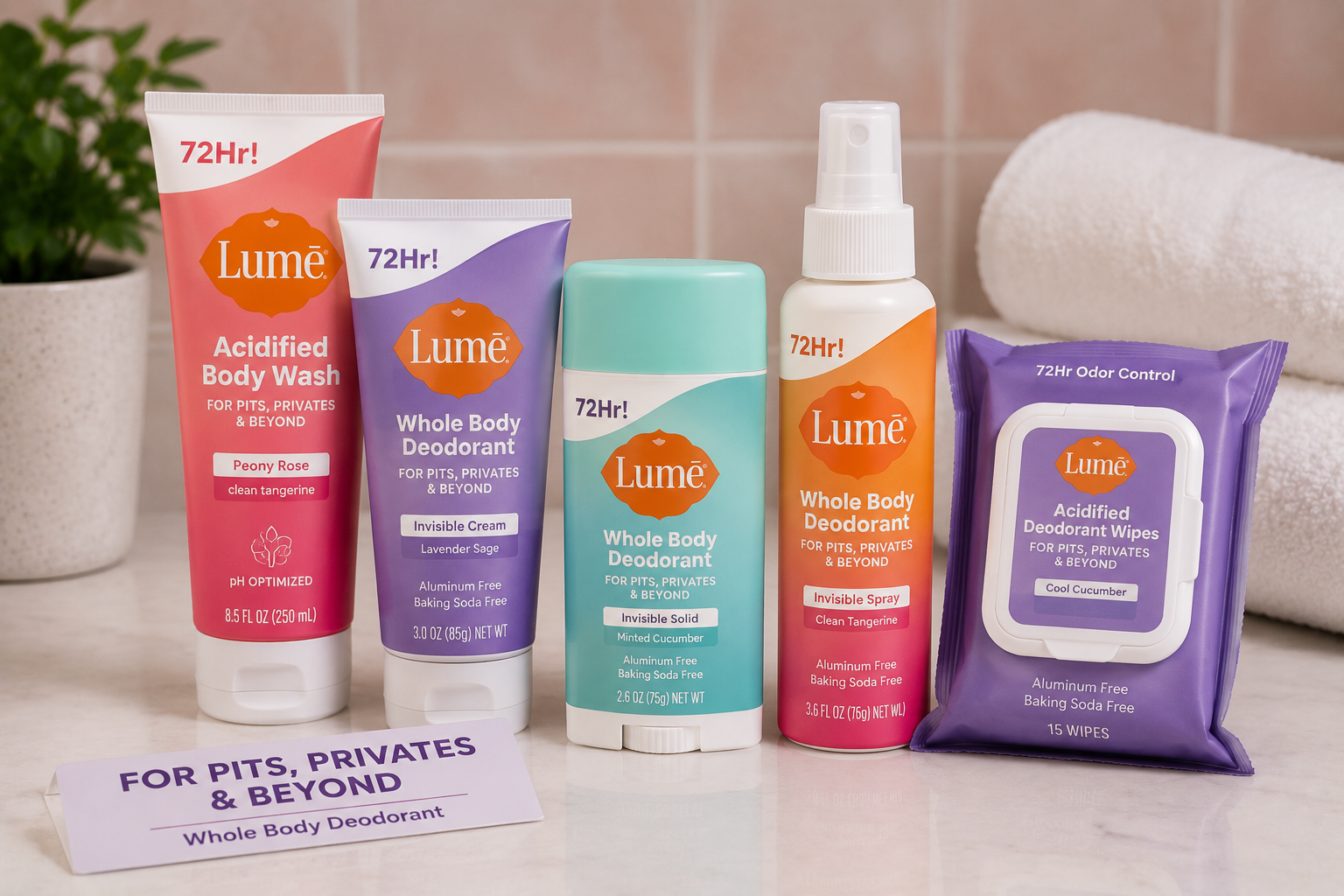
CASE NAME: Shalon Moon v. Lume Deodorant, LLC
CASE NO.: Not specified
JURISDICTION: Superior Court of the State of California, County of Los Angeles
FILED ON: April 1, 2026
CLASS DEFINITION: All California residents who purchased Lume products in California during the four years preceding the filing of the complaint.
SUMMARY:
Lume Deodorant, LLC was named in a class action lawsuit alleging that it falsely and misleadingly markets its “whole body” deodorant and hygiene products as necessary and beneficial for use on women’s intimate areas. The lawsuit claims that the company promotes its products as doctor-developed solutions for odor control across “pits, privates & beyond,” despite medical consensus that such products are unnecessary for genital hygiene and may pose health risks. The plaintiff alleges that consumers were misled into believing routine hygiene is insufficient, causing them to purchase the products and pay a premium price.
ALLEGATIONS:
The complaint alleges that Lume engaged in a widespread and uniform marketing campaign promoting its products—including deodorant sticks, sprays, creams, wipes, and body washes—as essential for maintaining cleanliness and odor control across the entire body, including intimate areas. As reflected in product labeling and marketing materials (see pages 5–9), the products are advertised with phrases such as “For Pits, Privates & Beyond,” “Whole Body Application,” and “Gentle enough for intimate areas,” reinforcing the message that they are safe and appropriate for genital use.
According to the lawsuit, Lume further bolsters these claims by emphasizing that its products are “doctor developed” or “OB/GYN developed,” and “clinically proven” to control odor for extended periods. The complaint alleges that these representations create the impression that the products are medically endorsed and necessary for proper hygiene, elevating them beyond ordinary cosmetic products.
However, the plaintiff contends that these representations are false and misleading because medical consensus establishes that the female genital area is self-maintaining and does not require specialized deodorizing or cleansing products. The complaint explains that the vagina is a self-cleaning organ and that routine hygiene, such as washing with water, is generally sufficient for maintaining cleanliness. According to the lawsuit, the use of deodorants or similar products in intimate areas is not recommended by medical professionals and may be unnecessary.
The complaint further alleges that Lume fails to disclose material information about potential health risks associated with using such products on intimate areas. These risks allegedly include disruption of the natural vaginal microbiome, irritation, and increased susceptibility to infections or other adverse conditions. The lawsuit also claims that because of anatomical proximity, products applied externally may enter the vaginal canal, potentially exacerbating these risks.
Additionally, the plaintiff alleges that Lume’s labeling and instructions blur the distinction between external and internal use. The complaint states that many consumers do not understand the difference between the vulva and the vagina, and that vague disclaimers such as “external use only” are insufficient to prevent misleading impressions. According to the lawsuit, clearer warnings and disclosures were necessary but not provided.
The complaint also asserts that Lume’s marketing exploits consumer insecurities about natural body odor, particularly in intimate areas, to drive demand for its products. By portraying ordinary hygiene as inadequate and positioning its products as superior solutions, the company allegedly induces consumers to purchase products they otherwise would not have bought.
The plaintiff claims that she and other class members relied on these representations when purchasing Lume products and would not have done so, or would have paid less, had they known the truth. As a result, the complaint alleges that consumers suffered economic harm, including paying a price premium for products that are unnecessary and potentially inappropriate for their intended use.
Based on these allegations, the lawsuit asserts violations of California’s False Advertising Law, Unfair Competition Law, and Consumers Legal Remedies Act. The plaintiff seeks damages, restitution, injunctive relief, and other remedies on behalf of herself and similarly situated consumers.
Tell us what you think.

Leave a Reply